THE ADVENTURE COLLECTIVE® · Independent discovery and booking for outdoor travel

Combine the calm, tidal pylons of Itsukushima Shrine with the solemn spaces of Hiroshima’s Peace Memorial Park on a private, customizable day tour. Expect about 4–8 hours of walking, short train and ferry rides, and guided cultural context.
Combine the calm, tidal pylons of Itsukushima Shrine with the solemn spaces of Hiroshima’s Peace Memorial Park on a private, customizable day tour. Expect about 4–8 hours of walking, short train and ferry rides, and guided cultural context.
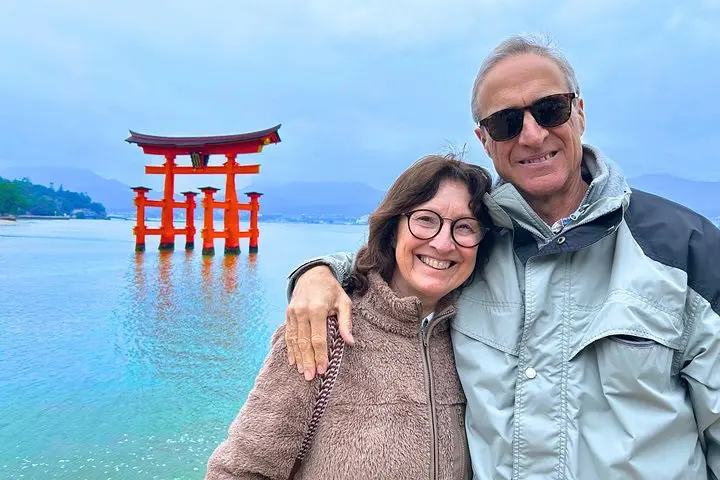
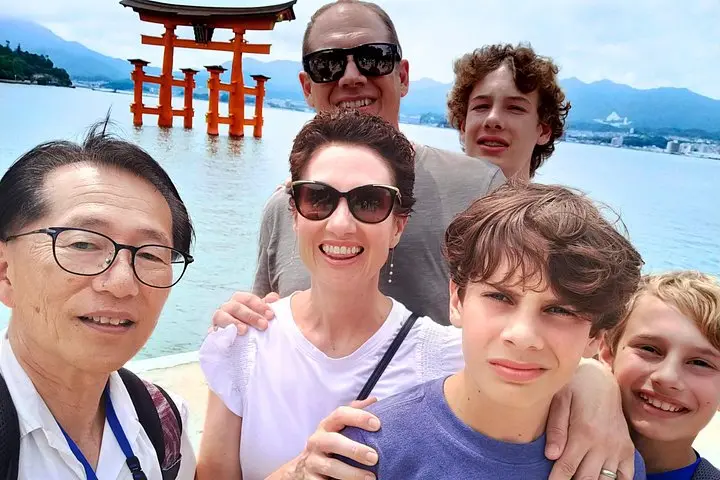
The ferry crosses a fringe of Seto Inland Sea and the island rises like a low green crown — tidal flats, cedar slopes and the vermilion pylons of Itsukushima Shrine holding court over the water.
Verified experiences and guided adventures in the surrounding area.
Operated by Japan Wonder Travel · Hiroshima, Hiroshima Prefecture
The ferry crosses a fringe of Seto Inland Sea and the island rises like a low green crown — tidal flats, cedar slopes and the vermilion pylons of Itsukushima Shrine holding court over the water.
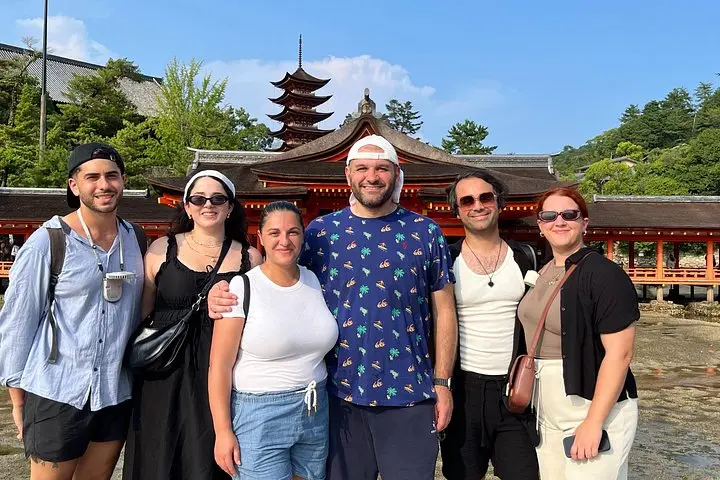
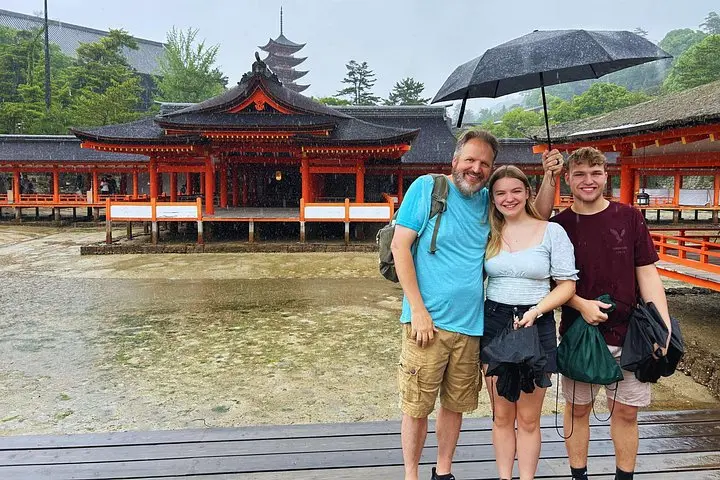
Start in Hiroshima city, meet your guide, and ride the local train and ferry (about an hour total) to Miyajima. On arrival deer wander the approach and the shrine’s boardwalk sits over the tide, giving the torii a floating quality at high water and exposed legs at low tide. Back in the city the afternoon moves through the hush of Peace Memorial Park and the raw presence of the Atomic Bomb Dome — sites that fix a modern history in place and invite quiet reflection.
Geology and culture intersect here: the Seto Inland Sea’s shallow shelves shaped local shrimping and shrine architecture that accommodates changing tides, while Hiroshima’s 20th-century history reshaped urban planning and peace memorialization.
Practically: expect several hours of walking on flat urban streets and wooden boardwalks, plus short ferry and train transfers. Bring comfortable shoes, a lightweight rain layer and cash or IC card for small purchases. The large torii at Itsukushima has undergone periodic repair — viewability can change, so check current notices. Respect the memorials: photography rules and quiet areas are in place throughout Peace Park and the museum. A private guide streamlines transit and context, turning logistics into time for observation and questions.
This one-day pairing is compact but layered — sacred island rituals and contemporary remembrance in a single, thoughtfully paced itinerary.
Allow about 50–70 minutes total from central Hiroshima including local train to Miyajimaguchi and the short ferry crossing.
Strollers are usable on most routes, and many streets are paved; however, wooden boardwalk sections and shrine approaches have steps — check ahead for full accessibility needs.
Yes, but the large torii sometimes undergoes renovation; sightlines depend on construction and tide level — confirm current conditions before your visit.
Meals are not included; the itinerary typically stops at Omotesando shopping street on Miyajima where you can sample local specialties and buy lunch.
Japan Wonder Travel operates guided outdoor trips and adventures with an emphasis on safety, stewardship, and memorable experiences.
The ferry crosses a fringe of Seto Inland Sea and the island rises like a low green crown — tidal flats, cedar slopes and the vermilion pylons of Itsukushima Shrine holding court over the water.
The ferry crosses a fringe of Seto Inland Sea and the island rises like a low green crown — tidal flats, cedar slopes and the vermilion pylons of Itsukushima Shrine holding court over the water.
Start in Hiroshima city, meet your guide, and ride the local train and ferry (about an hour total) to Miyajima. On arrival deer wander the approach and the shrine’s boardwalk sits over the tide, giving the torii a floating quality at high water and exposed legs at low tide. Back in the city the afternoon moves through the hush of Peace Memorial Park and the raw presence of the Atomic Bomb Dome — sites that fix a modern history in place and invite quiet reflection.
Geology and culture intersect here: the Seto Inland Sea’s shallow shelves shaped local shrimping and shrine architecture that accommodates changing tides, while Hiroshima’s 20th-century history reshaped urban planning and peace memorialization.
Practically: expect several hours of walking on flat urban streets and wooden boardwalks, plus short ferry and train transfers. Bring comfortable shoes, a lightweight rain layer and cash or IC card for small purchases. The large torii at Itsukushima has undergone periodic repair — viewability can change, so check current notices. Respect the memorials: photography rules and quiet areas are in place throughout Peace Park and the museum. A private guide streamlines transit and context, turning logistics into time for observation and questions.
This one-day pairing is compact but layered — sacred island rituals and contemporary remembrance in a single, thoughtfully paced itinerary.