THE ADVENTURE COLLECTIVE® · Independent discovery and booking for outdoor travel

Spend a full day moving from the solemn grounds of Hiroshima Peace Memorial Park to the island calm of Miyajima, where a floating torii and forested trails await. This private tour combines focused history, coastal scenery, and light island hiking into a single, memorable itinerary.
Spend a full day moving from the solemn grounds of Hiroshima Peace Memorial Park to the island calm of Miyajima, where a floating torii and forested trails await. This private tour combines focused history, coastal scenery, and light island hiking into a single, memorable itinerary.
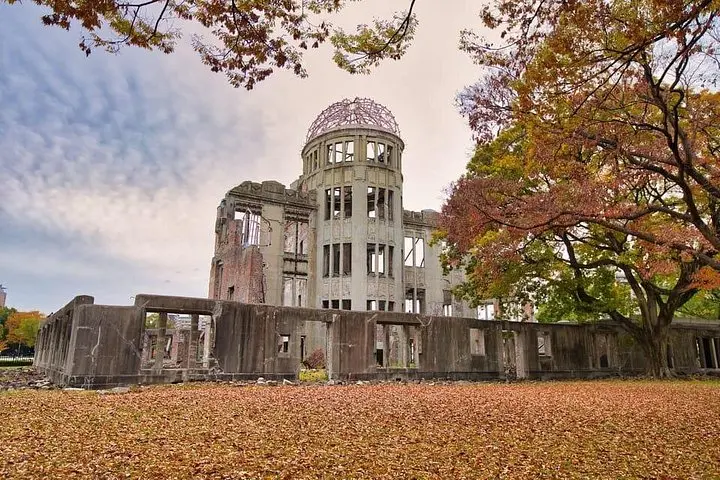
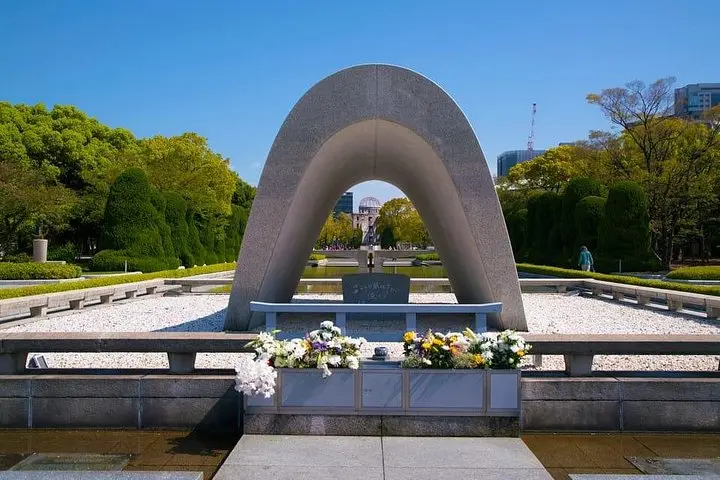
You step off the carriage and feel the city settle into a quieter rhythm: Hiroshima’s broad avenues give way to the hush of the Peace Memorial Park, where the A‑bomb Dome watches over slow-moving water and insulated stone monuments.
Verified experiences and guided adventures in the surrounding area.
Operated by Hamzi · Hiroshima, Hiroshima Prefecture
You step off the carriage and feel the city settle into a quieter rhythm: Hiroshima’s broad avenues give way to the hush of the Peace Memorial Park, where the A‑bomb Dome watches over slow-moving water and insulated stone monuments.
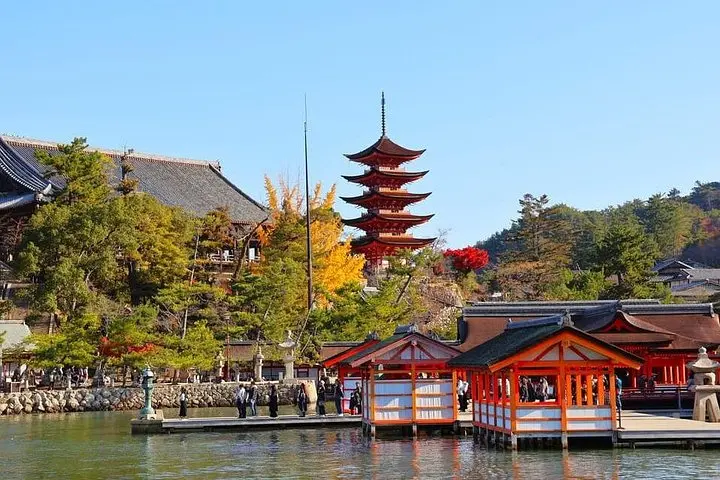
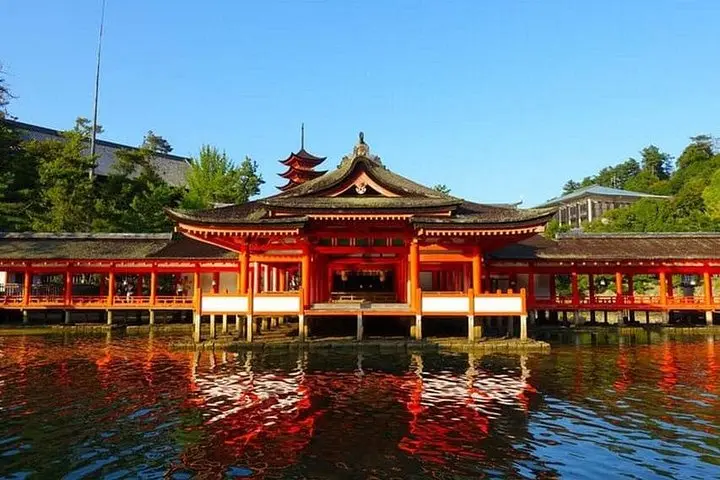
The day moves from stark modern history to island calm. A short ferry ride delivers you to Miyajima, where the Itsukushima Shrine’s torii appears to float at high tide and deer casually inspect your camera strap. Mount Misen lifts above the bay with paths that trade forest shade for panoramic views of the Seto Inland Sea.
Hiroshima’s recent history is carved into the cityscape — the Peace Memorial Museum uses artifacts and testimonies to document the August 1945 bombing and the long civic push for nuclear disarmament. Miyajima, by contrast, has been a sacred place for a millennium; Itsukushima Shrine’s vermilion pylons were built to keep worshippers’ feet off the ground and frame the sea as part of the temple.
Expect a full, structured day: guided time at the Peace Memorial Park and Museum, a ferry crossing, temple courtyards, light island walks, and optional ropeway or trail ascent of Mount Misen. Wear sturdy shoes for uneven boardwalks and stone steps, and bring cash for shrine offerings and oysters at street stalls.
Plan your timing around tides if you want the classic “floating” torii at high water, and allow moments for quiet reflection in the museum. The route balances cultural weight with coastal scenery — thoughtful history followed by the brisk, wind-driven openness of the sea.
The private day tour runs about 14 hours and typically includes guided visits to Hiroshima Peace Memorial Park and Museum, ferry transport to Miyajima, time at Itsukushima Shrine, and options to explore Mount Misen.
Museum admission is often purchased on arrival but check current policies; accessing the shrine is free, though special exhibits or ropeway rides may require separate fees.
The tour is family-friendly and wheelchair accessible in much of Hiroshima; Miyajima has uneven ground and steps—contact the operator to arrange mobility accommodations.
Yes — the private format typically allows you to focus more on the Peace Park, spiritual sites, or island walks depending on preference and timing.
Hamzi operates guided outdoor trips and adventures with an emphasis on safety, stewardship, and memorable experiences.
You step off the carriage and feel the city settle into a quieter rhythm: Hiroshima’s broad avenues give way to the hush of the Peace Memorial Park, where the A‑bomb Dome watches over slow-moving water and insulated stone monuments.
You step off the carriage and feel the city settle into a quieter rhythm: Hiroshima’s broad avenues give way to the hush of the Peace Memorial Park, where the A‑bomb Dome watches over slow-moving water and insulated stone monuments.
The day moves from stark modern history to island calm. A short ferry ride delivers you to Miyajima, where the Itsukushima Shrine’s torii appears to float at high tide and deer casually inspect your camera strap. Mount Misen lifts above the bay with paths that trade forest shade for panoramic views of the Seto Inland Sea.
Hiroshima’s recent history is carved into the cityscape — the Peace Memorial Museum uses artifacts and testimonies to document the August 1945 bombing and the long civic push for nuclear disarmament. Miyajima, by contrast, has been a sacred place for a millennium; Itsukushima Shrine’s vermilion pylons were built to keep worshippers’ feet off the ground and frame the sea as part of the temple.
Expect a full, structured day: guided time at the Peace Memorial Park and Museum, a ferry crossing, temple courtyards, light island walks, and optional ropeway or trail ascent of Mount Misen. Wear sturdy shoes for uneven boardwalks and stone steps, and bring cash for shrine offerings and oysters at street stalls.
Plan your timing around tides if you want the classic “floating” torii at high water, and allow moments for quiet reflection in the museum. The route balances cultural weight with coastal scenery — thoughtful history followed by the brisk, wind-driven openness of the sea.