THE ADVENTURE COLLECTIVE® · Independent discovery and booking for outdoor travel
Visit two UNESCO icons in one day: the sea-set Itsukushima Shrine on Miyajima and Hiroshima’s Peace Memorial Park with a local guide. This private, customizable tour combines coastal scenery, deep history, and practical local knowledge for a full-day cultural experience.
Visit two UNESCO icons in one day: the sea-set Itsukushima Shrine on Miyajima and Hiroshima’s Peace Memorial Park with a local guide. This private, customizable tour combines coastal scenery, deep history, and practical local knowledge for a full-day cultural experience.
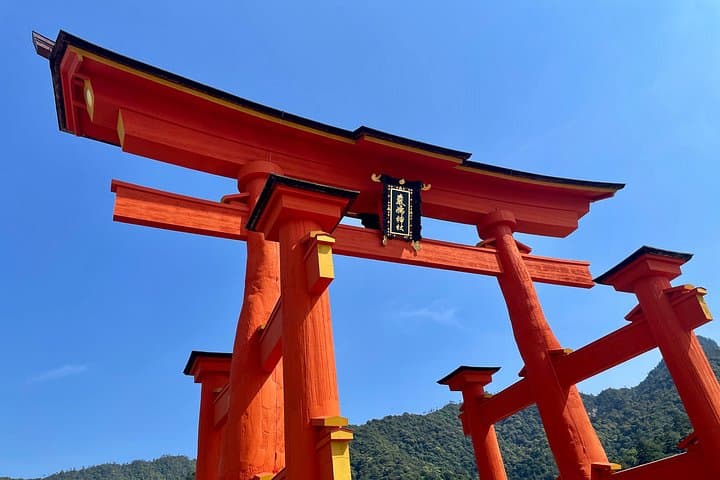
You step off the ferry onto Miyajima and the sea seems to hold the famous torii gate in place as if testing how steady you are. Salt air and temple bells cut through the chatter of vendors selling grilled oysters and momiji manju; the island’s cedar slopes rise behind the shrine, cool and steady.
Verified experiences and guided adventures in the surrounding area.
Operated by Local GemTour Japan · Hiroshima, Hiroshima Prefecture
You step off the ferry onto Miyajima and the sea seems to hold the famous torii gate in place as if testing how steady you are. Salt air and temple bells cut through the chatter of vendors selling grilled oysters and momiji manju; the island’s cedar slopes rise behind the shrine, cool and steady.
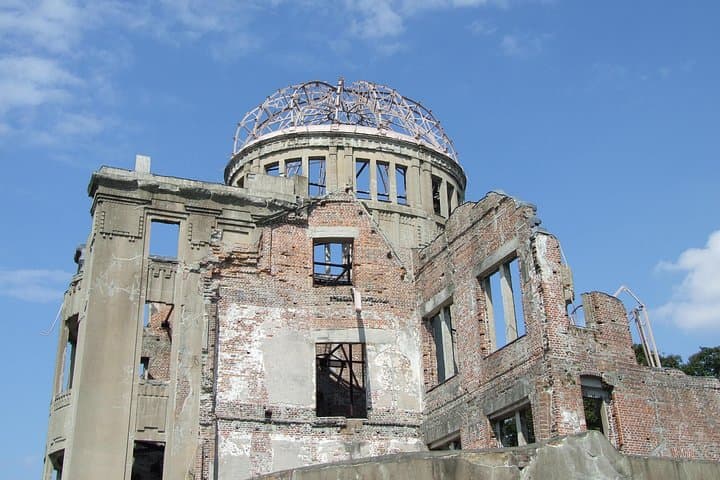
This private, customizable day tour links two contrasting UNESCO sites: Itsukushima Shrine’s centuries-old, sea-facing architecture and Hiroshima’s Peace Memorial Park, a city remade after the 1945 atomic bombing. Miyajima’s shrine complex dates to the Heian period and was built on pilings above tidal flats; nearby Misen Hill is volcanic in origin, the result of ancient eruptions that shaped the Seto Inland Sea’s jagged coastline. In Hiroshima, the Atomic Bomb Dome and the Peace Memorial Museum narrate technological, political and human histories that reshaped Japan and global attitudes toward war and reconstruction.
Local insights from a Hiroshima native guide—one with family ties to the bomb’s survivors—add context: daily life, culinary tips, and how the city balances remembrance with renewal. Expect roughly an hour each for major spots, about seven hours total, and public-transit segments that include a 30–60 minute ferry or train ride.
Practical guidance: plan Miyajima around high tide for the torii’s “floating” effect; wear grippy walking shoes for shrine walkways and stone steps; carry local currency or an IC card for ferries and trains. Bring a lightweight rain layer in spring and autumn, sunscreen in summer, and a power bank for photos. The day is largely accessible but involves standing and walking over uneven surfaces—pace yourself and allow time at the museum to absorb the exhibits.
The private tour runs about seven hours and includes a local guide, entrance fees to the Peace Memorial Museum and Itsukushima Shrine, and tour photos; transportation costs are paid by participants.
Yes — the tour is private and adjustable to interests; the guide will consult you in advance to prioritize sites and timing.
Many parts are wheelchair accessible, but some temple areas and island paths have steps or uneven ground; discuss specific needs when booking.
Typical options are JR train plus ferry (about 60 minutes total) or a direct boat (around 45 minutes); costs vary and JR Pass coverage depends on the route.
Local GemTour Japan operates guided outdoor trips and adventures with an emphasis on safety, stewardship, and memorable experiences.
You step off the ferry onto Miyajima and the sea seems to hold the famous torii gate in place as if testing how steady you are. Salt air and temple bells cut through the chatter of vendors selling grilled oysters and momiji manju; the island’s cedar slopes rise behind the shrine, cool and steady.
You step off the ferry onto Miyajima and the sea seems to hold the famous torii gate in place as if testing how steady you are. Salt air and temple bells cut through the chatter of vendors selling grilled oysters and momiji manju; the island’s cedar slopes rise behind the shrine, cool and steady.
This private, customizable day tour links two contrasting UNESCO sites: Itsukushima Shrine’s centuries-old, sea-facing architecture and Hiroshima’s Peace Memorial Park, a city remade after the 1945 atomic bombing. Miyajima’s shrine complex dates to the Heian period and was built on pilings above tidal flats; nearby Misen Hill is volcanic in origin, the result of ancient eruptions that shaped the Seto Inland Sea’s jagged coastline. In Hiroshima, the Atomic Bomb Dome and the Peace Memorial Museum narrate technological, political and human histories that reshaped Japan and global attitudes toward war and reconstruction.
Local insights from a Hiroshima native guide—one with family ties to the bomb’s survivors—add context: daily life, culinary tips, and how the city balances remembrance with renewal. Expect roughly an hour each for major spots, about seven hours total, and public-transit segments that include a 30–60 minute ferry or train ride.
Practical guidance: plan Miyajima around high tide for the torii’s “floating” effect; wear grippy walking shoes for shrine walkways and stone steps; carry local currency or an IC card for ferries and trains. Bring a lightweight rain layer in spring and autumn, sunscreen in summer, and a power bank for photos. The day is largely accessible but involves standing and walking over uneven surfaces—pace yourself and allow time at the museum to absorb the exhibits.
