THE ADVENTURE COLLECTIVE® · Independent discovery and booking for outdoor travel

Cycle through Hiroshima’s Peace Park and past Hiroshima Castle on a guided evening ride, then sample the city’s signature okonomiyaki. This compact tour mixes civic history, urban geology, and local flavor in a single 2–3 hour experience.
Cycle through Hiroshima’s Peace Park and past Hiroshima Castle on a guided evening ride, then sample the city’s signature okonomiyaki. This compact tour mixes civic history, urban geology, and local flavor in a single 2–3 hour experience.
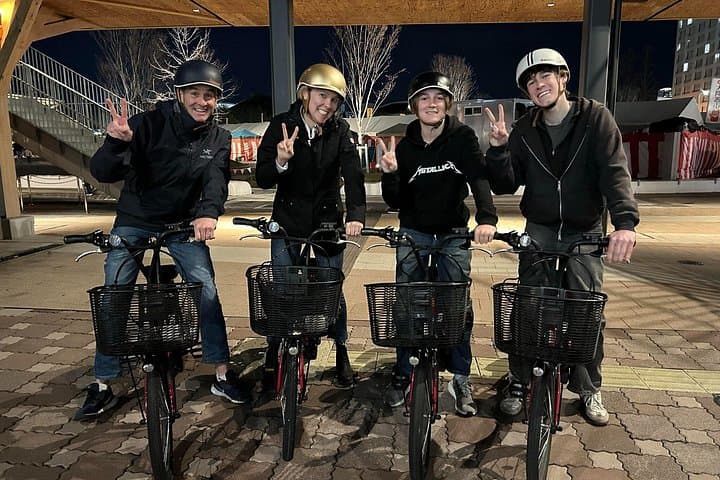
The evening air over Hiroshima cools as the city shifts from workday hum to soft streetlamp glow. Pedals click, conversations lower, and the river’s current seems to dare you forward as you roll past the Atomic Bomb Dome toward the Peace Memorial Park.
Verified experiences and guided adventures in the surrounding area.
Operated by 株式会社mint · Hiroshima, Hiroshima Prefecture
The evening air over Hiroshima cools as the city shifts from workday hum to soft streetlamp glow. Pedals click, conversations lower, and the river’s current seems to dare you forward as you roll past the Atomic Bomb Dome toward the Peace Memorial Park.
This guided bike tour takes you through landmarks that shaped modern Hiroshima: the Peace Park and its cenotaphs, the rebuilt Hiroshima Castle and its stone foundations, and neighborhood streets that show postwar urban planning and coastal plain geology—river deposits and low-elevation silt that make the city unusually flat and easy to ride.
Culturally, the tour pairs civic memory with everyday life. Guides frame reconstruction stories—how the city remade itself after 1945—and point out sites where community rituals and seasonal festivals still happen. The culinary finish is practical history: Hiroshima-style okonomiyaki, layered with cabbage and noodles, tells a story about local resourcefulness and regional taste.
Practical guidance: expect mostly flat, paved city streets and dedicated bike lanes for parts of the route; the pace is gentle with timed stops for commentary. The experience runs about 2–3 hours total (group size capped small), includes a pastry and a full okonomiyaki meal with a drink, and is suitable for casual cyclists. Bring a light jacket for the evening, wear closed-toe shoes, and carry cash or card for incidental purchases. Respect memorial spaces by keeping voices low at monuments and follow your guide’s route to avoid busy traffic corridors.
The entire experience is about 2–3 hours including stops; actual riding time is generally 45–90 minutes with guided commentary.
No advanced skills are needed—this tour is designed for casual cyclists comfortable on flat, paved city streets.
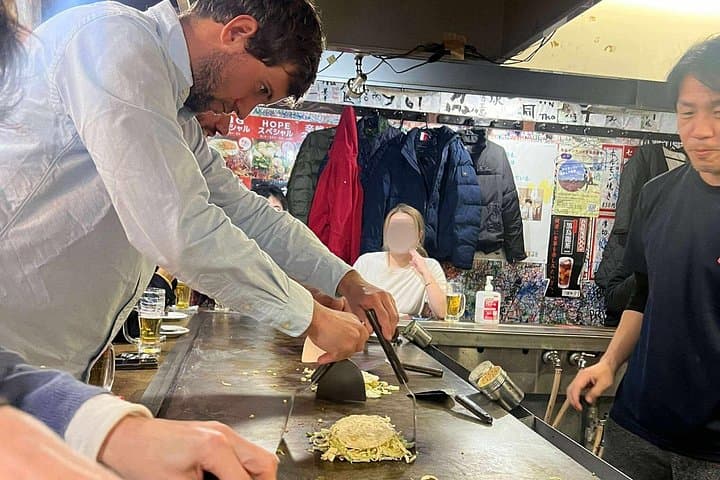
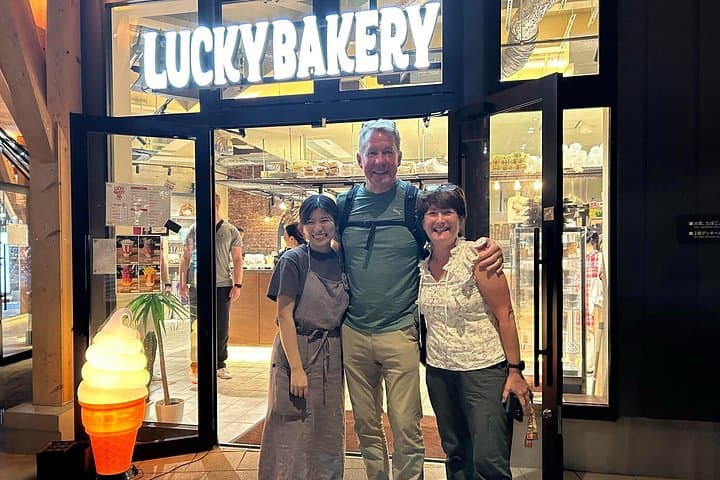
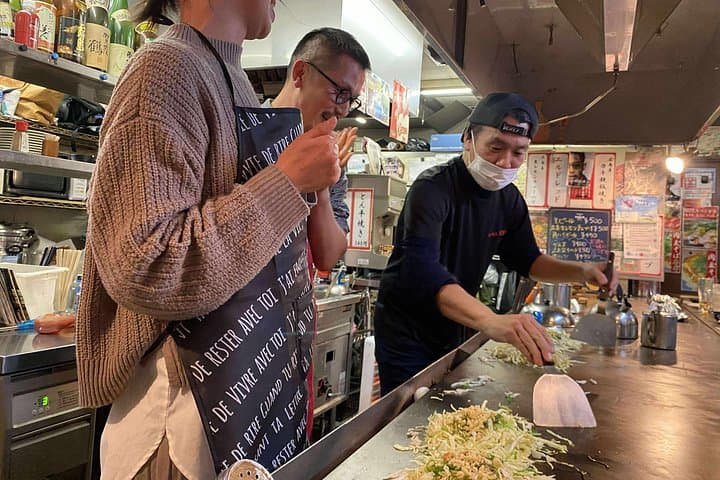
The tour includes a Hiroshima-style okonomiyaki (two dishes served) and one drink, plus a pastry from a local bakery during the ride.
Meeting details are provided at booking; tours typically start near central Peace Park or a nearby meeting point accessible by public transport in Hiroshima.
株式会社mint operates guided outdoor trips and adventures with an emphasis on safety, stewardship, and memorable experiences.
The evening air over Hiroshima cools as the city shifts from workday hum to soft streetlamp glow. Pedals click, conversations lower, and the river’s current seems to dare you forward as you roll past the Atomic Bomb Dome toward the Peace Memorial Park.
The evening air over Hiroshima cools as the city shifts from workday hum to soft streetlamp glow. Pedals click, conversations lower, and the river’s current seems to dare you forward as you roll past the Atomic Bomb Dome toward the Peace Memorial Park.
This guided bike tour takes you through landmarks that shaped modern Hiroshima: the Peace Park and its cenotaphs, the rebuilt Hiroshima Castle and its stone foundations, and neighborhood streets that show postwar urban planning and coastal plain geology—river deposits and low-elevation silt that make the city unusually flat and easy to ride.
Culturally, the tour pairs civic memory with everyday life. Guides frame reconstruction stories—how the city remade itself after 1945—and point out sites where community rituals and seasonal festivals still happen. The culinary finish is practical history: Hiroshima-style okonomiyaki, layered with cabbage and noodles, tells a story about local resourcefulness and regional taste.
Practical guidance: expect mostly flat, paved city streets and dedicated bike lanes for parts of the route; the pace is gentle with timed stops for commentary. The experience runs about 2–3 hours total (group size capped small), includes a pastry and a full okonomiyaki meal with a drink, and is suitable for casual cyclists. Bring a light jacket for the evening, wear closed-toe shoes, and carry cash or card for incidental purchases. Respect memorial spaces by keeping voices low at monuments and follow your guide’s route to avoid busy traffic corridors.