THE ADVENTURE COLLECTIVE® · Independent discovery and booking for outdoor travel

This four-hour guided walk threads Hiroshima’s postwar landmarks — Atomic Bomb Dome, Peace Memorial Museum, Hondori arcade, Hiroshima Castle and Shukkeien Garden — combining hard history with everyday city life. Practical route advice and local context help visitors plan a respectful, informative visit.
This four-hour guided walk threads Hiroshima’s postwar landmarks — Atomic Bomb Dome, Peace Memorial Museum, Hondori arcade, Hiroshima Castle and Shukkeien Garden — combining hard history with everyday city life. Practical route advice and local context help visitors plan a respectful, informative visit.
Morning light slices across the Motoyasu River as the Atomic Bomb Dome rises from the city, its skeletal dome daring visitors to remember. A guided four-hour walk moves from that silent ruin through the open lawns of Peace Memorial Park, pauses at the hypocenter marker and moves into the museum where testimonies and artifacts lay out 1945 in meticulous, human detail.
Verified experiences and guided adventures in the surrounding area.
Operated by Hiroshima Adventures · Hiroshima, Hiroshima
Morning light slices across the Motoyasu River as the Atomic Bomb Dome rises from the city, its skeletal dome daring visitors to remember. A guided four-hour walk moves from that silent ruin through the open lawns of Peace Memorial Park, pauses at the hypocenter marker and moves into the museum where testimonies and artifacts lay out 1945 in meticulous, human detail.
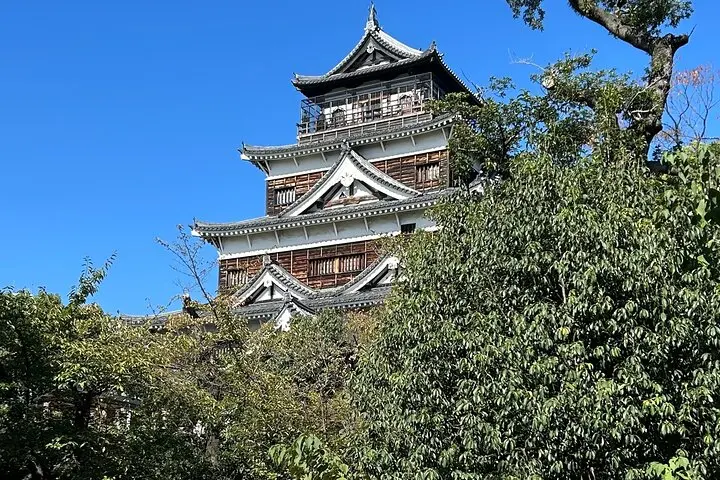
The route then turns to Hondori, a lively covered arcade that shows contemporary Hiroshima — shops, okonomiyaki stalls and everyday rhythm — before climbing toward Hiroshima Castle. First built in the late 16th century, the castle's reconstructed keep houses exhibits on samurai history and feudal life; nearby Shukkeien, a 17th-century strolling garden, contrasts the city's hard history with carefully composed ponds and bridges. The geology here is simple: low-lying river terraces carved by the Ota River delta, the urban soil rebuilt after wartime devastation.
Cultural context matters: the Atomic Bomb Dome is a UNESCO site, the Peace Memorial Museum frames recovery and memory, and local food culture — especially savory Hiroshima-style okonomiyaki — provides a practical, comforting end to the tour.
Practical guidance: expect four hours on foot on mostly flat paved paths with some stairs at the castle and garden. Wear sturdy walking shoes, bring water and a light rain layer. Mornings are quieter at memorials; late afternoons at Shukkeien reveal softer light and calmer ponds. Respect memorial spaces, maintain quiet around exhibits, and allow time for reflective pauses between stops.
Yes; the itinerary lists museum admission as included so visitors can access exhibits without separate tickets.
Expect about four hours of guided walking on mostly flat, paved routes with some stairs at the castle and garden.
The tour is family-friendly but requires moderate mobility; those with serious cardiovascular issues are advised against it.
Large luggage is impractical on a walking tour; bring a small daypack and consider leaving bigger items at your hotel or a station locker.
Hiroshima Adventures operates guided outdoor trips and adventures with an emphasis on safety, stewardship, and memorable experiences.
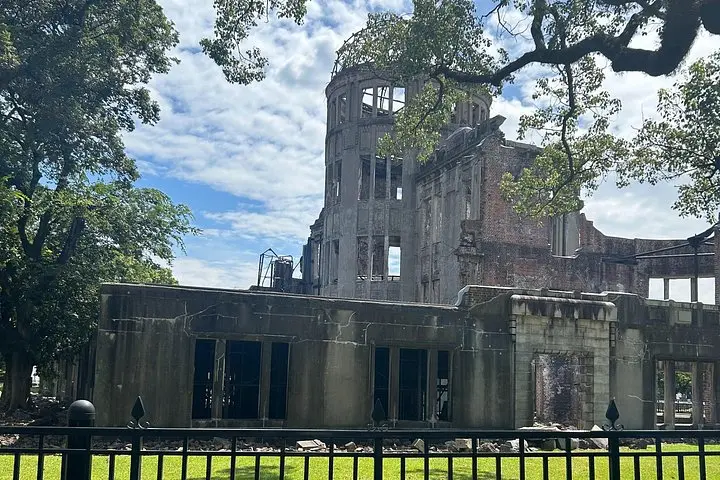
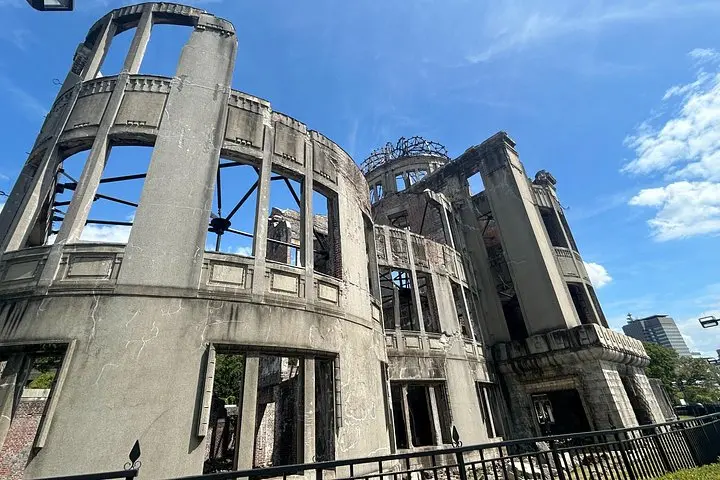
Morning light slices across the Motoyasu River as the Atomic Bomb Dome rises from the city, its skeletal dome daring visitors to remember. A guided four-hour walk moves from that silent ruin through the open lawns of Peace Memorial Park, pauses at the hypocenter marker and moves into the museum where testimonies and artifacts lay out 1945 in meticulous, human detail.
Morning light slices across the Motoyasu River as the Atomic Bomb Dome rises from the city, its skeletal dome daring visitors to remember. A guided four-hour walk moves from that silent ruin through the open lawns of Peace Memorial Park, pauses at the hypocenter marker and moves into the museum where testimonies and artifacts lay out 1945 in meticulous, human detail.
The route then turns to Hondori, a lively covered arcade that shows contemporary Hiroshima — shops, okonomiyaki stalls and everyday rhythm — before climbing toward Hiroshima Castle. First built in the late 16th century, the castle's reconstructed keep houses exhibits on samurai history and feudal life; nearby Shukkeien, a 17th-century strolling garden, contrasts the city's hard history with carefully composed ponds and bridges. The geology here is simple: low-lying river terraces carved by the Ota River delta, the urban soil rebuilt after wartime devastation.
Cultural context matters: the Atomic Bomb Dome is a UNESCO site, the Peace Memorial Museum frames recovery and memory, and local food culture — especially savory Hiroshima-style okonomiyaki — provides a practical, comforting end to the tour.
Practical guidance: expect four hours on foot on mostly flat paved paths with some stairs at the castle and garden. Wear sturdy walking shoes, bring water and a light rain layer. Mornings are quieter at memorials; late afternoons at Shukkeien reveal softer light and calmer ponds. Respect memorial spaces, maintain quiet around exhibits, and allow time for reflective pauses between stops.