THE ADVENTURE COLLECTIVE® · Independent discovery and booking for outdoor travel

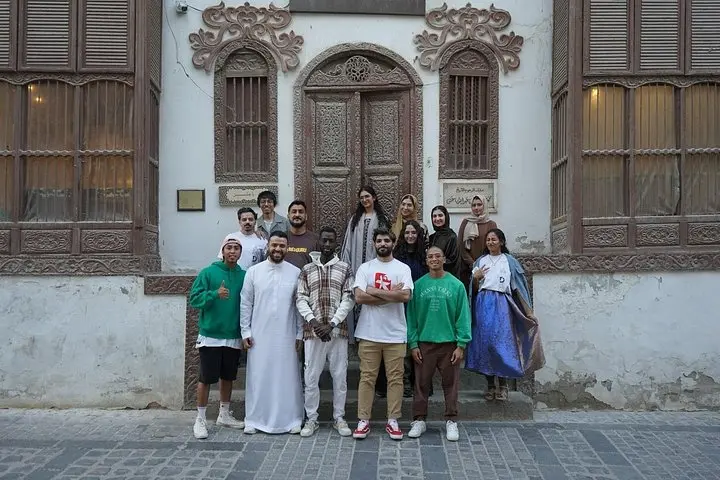
Walk the alleyways of Al-Balad and trace Jeddah’s rise as a Red Sea port. This 2–4 hour private tour visits coral-stone houses, spice markets, and a living urban heritage with practical stops and local insights.
Walk the alleyways of Al-Balad and trace Jeddah’s rise as a Red Sea port. This 2–4 hour private tour visits coral-stone houses, spice markets, and a living urban heritage with practical stops and local insights.
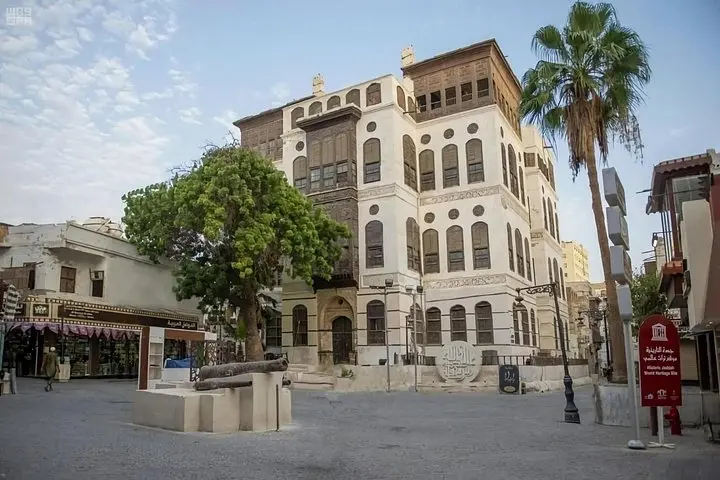
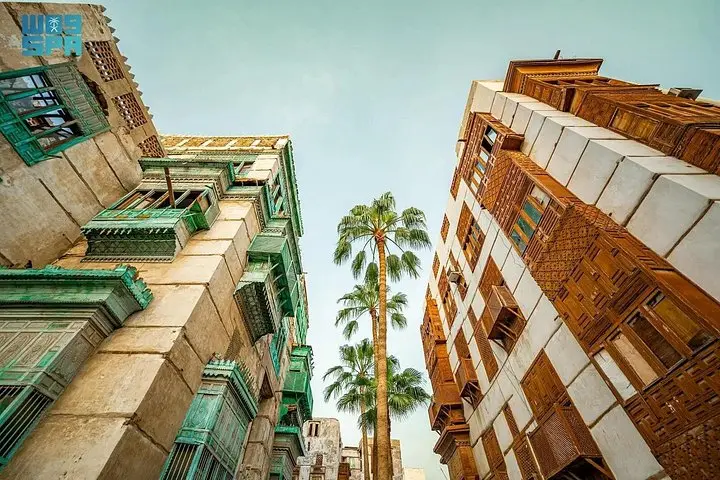
The tour begins at a slow, deliberate pace: a cobbled alley opens to a courtyard where the sea breeze from the Red Sea dares you to keep walking. In Al-Balad, the city’s older quarter, carved wooden windows peer over narrow streets while vendors arrange spices and sweets beneath weathered facades.
Verified experiences and guided adventures in the surrounding area.
Operated by Traventure · Jeddah, Makkah Province
The tour begins at a slow, deliberate pace: a cobbled alley opens to a courtyard where the sea breeze from the Red Sea dares you to keep walking. In Al-Balad, the city’s older quarter, carved wooden windows peer over narrow streets while vendors arrange spices and sweets beneath weathered facades.
This is a walk through layers of history. Jeddah grew as the principal port for pilgrims to Mecca; many of the coral-stone houses and rawasheen (wooden lattice windows) date to the 19th and early 20th centuries and reflect trade-driven wealth and regional craft. Geologically, the city’s traditional buildings use cut coral and lime mortar, a local solution to coastal conditions. Culturally, the district remains a living neighborhood—mosques, markets, and family homes coexist with small museums and contemporary art spaces.
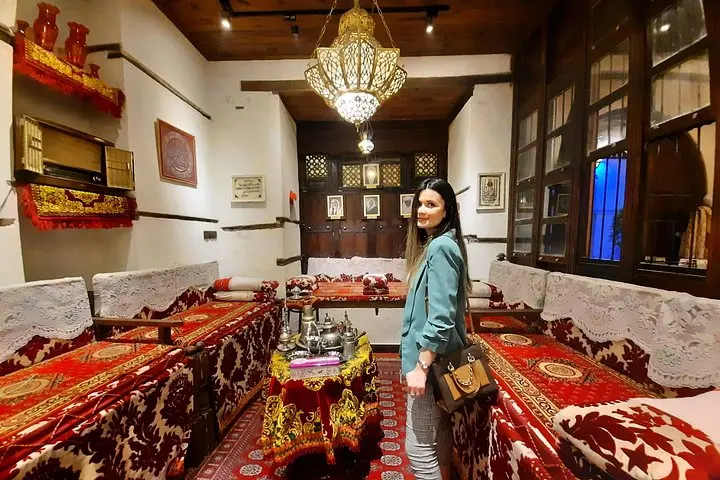
Expect 2–4 hours of mostly flat walking over narrow, sometimes uneven flagstones and paved streets, with short stops at Nassif House and a historic merchant’s residence. Plan for heat and crowds: early morning or late afternoon slots are cooler and reveal more local life. The tour typically includes bottled water and museum entry fees; photography of people should be approached respectfully and by permission.
Practical pointers: wear closed, grippy shoes for cobbles, carry sun protection and a small water bottle, and keep valuables secure in a daypack. Mobility-accessible transport is often available for portions of the route, but some alleys remain tight. This tour balances slow cultural observation with brisk walking—ideal for travelers who want context as well as street-level detail.
The tour runs about 2–4 hours and typically covers roughly 2–4 km of mostly flat walking through Al-Balad’s alleys and squares.
Museum entry fees and bottled water are listed as inclusions; confirm specific sites with your operator at booking.
Transportation and portions of the itinerary are described as wheelchair accessible, but some narrow alleys and historic houses have limited access—notify the operator of mobility needs in advance.
Language availability varies by booking—check the tour listing. Tipping is appreciated for personalized service; a modest cash tip in SAR is customary if you’re satisfied.
Traventure operates guided outdoor trips and adventures with an emphasis on safety, stewardship, and memorable experiences.
The tour begins at a slow, deliberate pace: a cobbled alley opens to a courtyard where the sea breeze from the Red Sea dares you to keep walking. In Al-Balad, the city’s older quarter, carved wooden windows peer over narrow streets while vendors arrange spices and sweets beneath weathered facades.
The tour begins at a slow, deliberate pace: a cobbled alley opens to a courtyard where the sea breeze from the Red Sea dares you to keep walking. In Al-Balad, the city’s older quarter, carved wooden windows peer over narrow streets while vendors arrange spices and sweets beneath weathered facades.
This is a walk through layers of history. Jeddah grew as the principal port for pilgrims to Mecca; many of the coral-stone houses and rawasheen (wooden lattice windows) date to the 19th and early 20th centuries and reflect trade-driven wealth and regional craft. Geologically, the city’s traditional buildings use cut coral and lime mortar, a local solution to coastal conditions. Culturally, the district remains a living neighborhood—mosques, markets, and family homes coexist with small museums and contemporary art spaces.
Expect 2–4 hours of mostly flat walking over narrow, sometimes uneven flagstones and paved streets, with short stops at Nassif House and a historic merchant’s residence. Plan for heat and crowds: early morning or late afternoon slots are cooler and reveal more local life. The tour typically includes bottled water and museum entry fees; photography of people should be approached respectfully and by permission.
Practical pointers: wear closed, grippy shoes for cobbles, carry sun protection and a small water bottle, and keep valuables secure in a daypack. Mobility-accessible transport is often available for portions of the route, but some alleys remain tight. This tour balances slow cultural observation with brisk walking—ideal for travelers who want context as well as street-level detail.