THE ADVENTURE COLLECTIVE® · Independent discovery and booking for outdoor travel

Walk Casco Viejo with a local guide to trace Panama’s colonial rebirth after pirate raids, explore plazas and churches, sample local cacao, and learn how the Interoceanic Canal’s early history reshaped the nation. Practical tips for cobbles, sun and small museums included.
Walk Casco Viejo with a local guide to trace Panama’s colonial rebirth after pirate raids, explore plazas and churches, sample local cacao, and learn how the Interoceanic Canal’s early history reshaped the nation. Practical tips for cobbles, sun and small museums included.
You step through a narrow stone arcade and the city changes—cobbled streets, colonial facades peeled by salt air, and the Pacific skyline rising beyond low church towers. In Casco Viejo the air smells of coffee, cacao and the sea; your guide threads stories into plazas and stairways while you pass equestrian monuments and hidden courtyards.
Verified experiences and guided adventures in the surrounding area.
Operated by Class A City Tours · Panama City, Panamá Province
You step through a narrow stone arcade and the city changes—cobbled streets, colonial facades peeled by salt air, and the Pacific skyline rising beyond low church towers. In Casco Viejo the air smells of coffee, cacao and the sea; your guide threads stories into plazas and stairways while you pass equestrian monuments and hidden courtyards.
The district was built after Henry Morgan’s 1671 sack of the original Panama City (Panama Viejo) and completed in the late 17th century as the new seat on the Pacific. Casco Viejo blends Spanish colonial, French and early republican architecture; its mixed masonry and lime plaster show the practical response to tropical storms and saline winds. Cultural notes surface at every stop—churches with gilded altars, artisan chocolatiers using national cacao, and narrow lanes named for hatters and mola-makers.
Expect a 3–4 hour walking itinerary that covers major plazas, historic churches, small museums and viewpoints. Guides often point out construction methods, the failed French canal efforts that reshaped national politics, and the UNESCO designation that now informs conservation work.
Practical guidance: wear sturdy shoes for uneven cobblestones, carry a refillable water bottle, and plan this tour for morning or late afternoon to avoid the heaviest sun or rain. Bring a small amount of cash for museum fees or local crafts; many vendors accept cards but smaller shops do not. The meeting point is commonly a church door in Casco Viejo—arrive 10 minutes early and be ready to walk at a steady pace.
The tour runs about 3–4 hours and involves continuous walking over cobblestones and stairs; expect stops at several plazas and museums.
Most departures meet at a designated church door in Casco Viejo; arrive 10 minutes early—guides typically call names and will leave on schedule to keep the group on time.
Casco Viejo’s historic streets are uneven and include stairs; while short sections may be stroller-accessible, full wheelchair access is limited—check with the operator for precise accessibility details.
Guides are typically local and present historical context and cultural insights; language offerings depend on the operator—confirm English or Spanish availability when booking.
Class A City Tours operates guided outdoor trips and adventures with an emphasis on safety, stewardship, and memorable experiences.
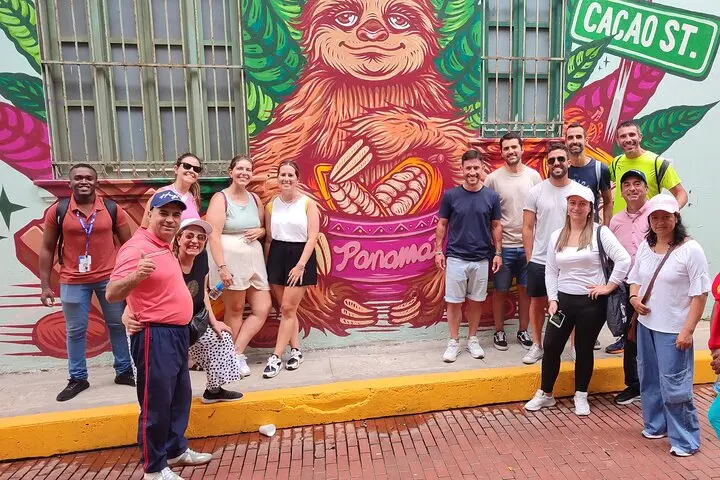
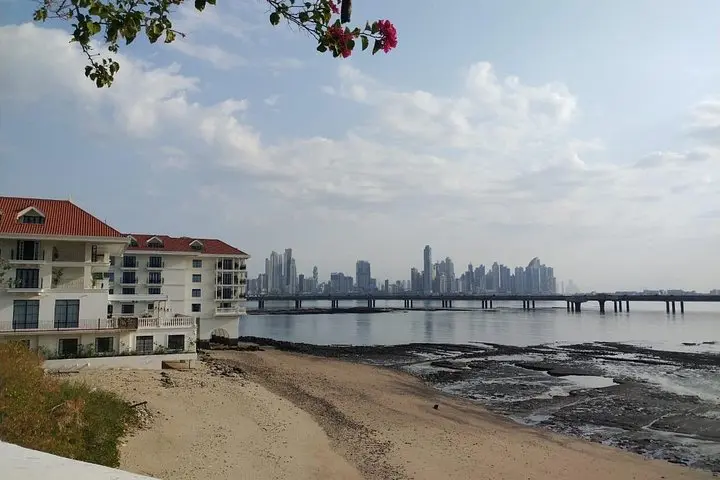
You step through a narrow stone arcade and the city changes—cobbled streets, colonial facades peeled by salt air, and the Pacific skyline rising beyond low church towers. In Casco Viejo the air smells of coffee, cacao and the sea; your guide threads stories into plazas and stairways while you pass equestrian monuments and hidden courtyards.
You step through a narrow stone arcade and the city changes—cobbled streets, colonial facades peeled by salt air, and the Pacific skyline rising beyond low church towers. In Casco Viejo the air smells of coffee, cacao and the sea; your guide threads stories into plazas and stairways while you pass equestrian monuments and hidden courtyards.
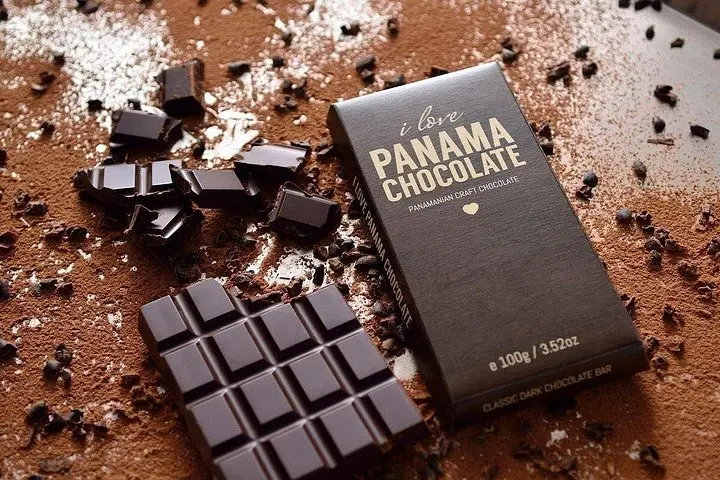
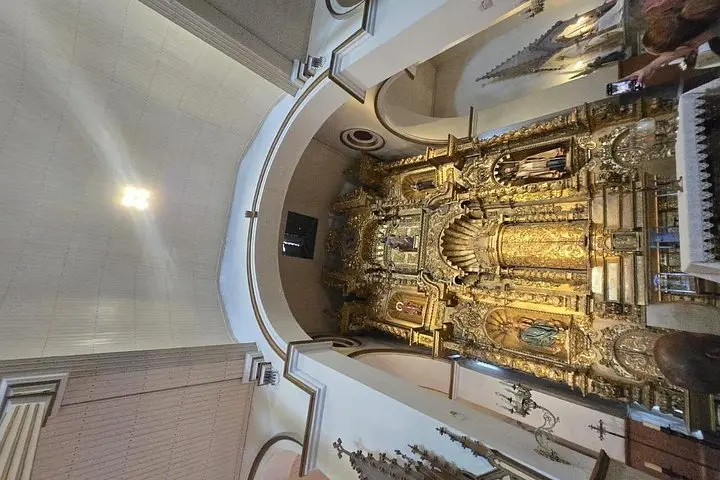
The district was built after Henry Morgan’s 1671 sack of the original Panama City (Panama Viejo) and completed in the late 17th century as the new seat on the Pacific. Casco Viejo blends Spanish colonial, French and early republican architecture; its mixed masonry and lime plaster show the practical response to tropical storms and saline winds. Cultural notes surface at every stop—churches with gilded altars, artisan chocolatiers using national cacao, and narrow lanes named for hatters and mola-makers.
Expect a 3–4 hour walking itinerary that covers major plazas, historic churches, small museums and viewpoints. Guides often point out construction methods, the failed French canal efforts that reshaped national politics, and the UNESCO designation that now informs conservation work.
Practical guidance: wear sturdy shoes for uneven cobblestones, carry a refillable water bottle, and plan this tour for morning or late afternoon to avoid the heaviest sun or rain. Bring a small amount of cash for museum fees or local crafts; many vendors accept cards but smaller shops do not. The meeting point is commonly a church door in Casco Viejo—arrive 10 minutes early and be ready to walk at a steady pace.