THE ADVENTURE COLLECTIVE® · Independent discovery and booking for outdoor travel

Explore Quito’s UNESCO-designated historic center on a 2½-hour guided walk through plazas, Gothic towers and chocolate tasting spots. Perfect for first-time visitors wanting architecture, local flavor and a manageable urban hike.
Explore Quito’s UNESCO-designated historic center on a 2½-hour guided walk through plazas, Gothic towers and chocolate tasting spots. Perfect for first-time visitors wanting architecture, local flavor and a manageable urban hike.
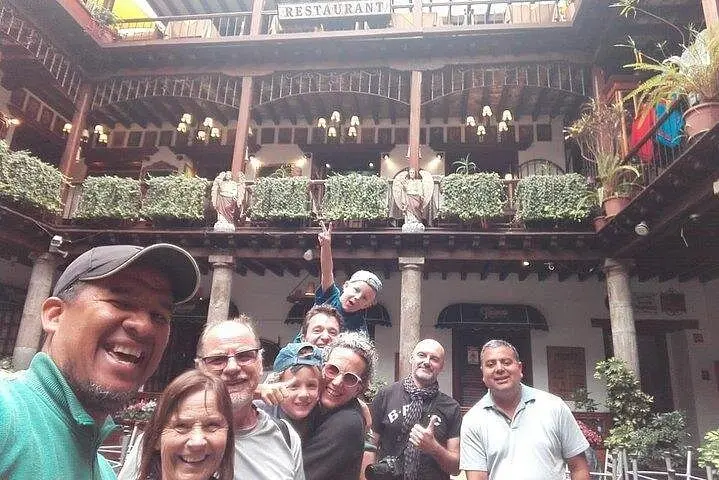
You step from a narrow street into Plaza de la Independencia and the city opens like a map of time: colonial facades face modern high-rises beyond the valley, and the cathedral tower watches over traders, students and pigeons alike.
Verified experiences and guided adventures in the surrounding area.
Operated by Friends Expeditions · Quito, Pichincha
You step from a narrow street into Plaza de la Independencia and the city opens like a map of time: colonial facades face modern high-rises beyond the valley, and the cathedral tower watches over traders, students and pigeons alike.
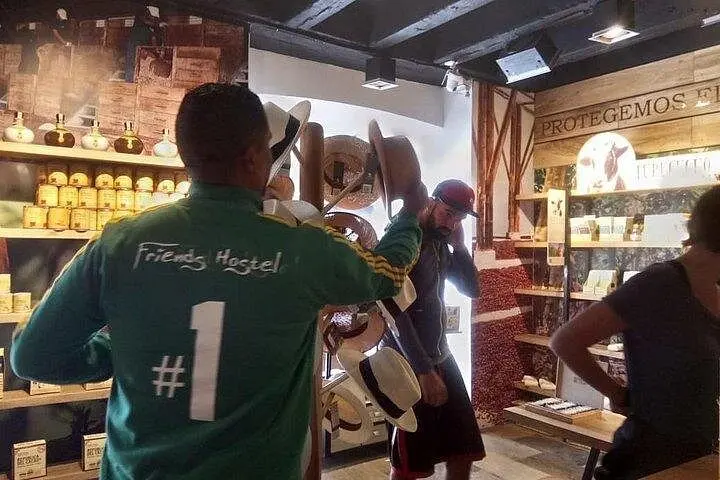
This 2½-hour walking tour threads through Quito’s historic center: a Gothic-style church with a climbable tower, the cathedral and its plazas, the municipal library terrace, the archbishop’s passage and a chocolate tasting stop at República del Cacao. The guide points out carved stonework, baroque altarpieces and the carved niches where civic life has played out since Spanish rule.
Quito’s core sits on volcanic Andean terrain at roughly 2,850 meters (9,350 ft). The layout reflects pre-Columbian paths reworked by colonial planners; many buildings date to the 16th–18th centuries, and the area was one of the first urban centers named a UNESCO World Heritage site.
Expect close-up architecture, narrow alleys, and intermittent viewpoints where the city and surrounding slopes press in. The tour moves at an easy pace but includes church towers and staircases — bring steady footwear. Mondays often feature the presidential guard change and higher crowds; mornings are quieter.
Practical details: the route covers paved cobbles and short stair sections, lasts ~150 minutes, and includes a bilingual guide and entry to select sites. Carry a filled water bottle, sun protection, small local currency for snacks, and a camera. The walk is suitable for most fitness levels but not wheelchair accessible; watch your step on uneven stones and be prepared for the altitude’s effects.
The tour lasts approximately 150 minutes (about 2½ hours) and includes guided visits to select churches and viewpoints.
Yes—most ages can participate, though participants should be able to walk on uneven cobbles and climb short staircases; it is not wheelchair accessible.
The experience includes admission to the specific Gothic church tower and the chocolate tasting noted in the itinerary; ask the operator about any additional site fees.
A bilingual guide is included; check booking details for language options and confirm at reservation.
Friends Expeditions operates guided outdoor trips and adventures with an emphasis on safety, stewardship, and memorable experiences.

You step from a narrow street into Plaza de la Independencia and the city opens like a map of time: colonial facades face modern high-rises beyond the valley, and the cathedral tower watches over traders, students and pigeons alike.
You step from a narrow street into Plaza de la Independencia and the city opens like a map of time: colonial facades face modern high-rises beyond the valley, and the cathedral tower watches over traders, students and pigeons alike.
This 2½-hour walking tour threads through Quito’s historic center: a Gothic-style church with a climbable tower, the cathedral and its plazas, the municipal library terrace, the archbishop’s passage and a chocolate tasting stop at República del Cacao. The guide points out carved stonework, baroque altarpieces and the carved niches where civic life has played out since Spanish rule.
Quito’s core sits on volcanic Andean terrain at roughly 2,850 meters (9,350 ft). The layout reflects pre-Columbian paths reworked by colonial planners; many buildings date to the 16th–18th centuries, and the area was one of the first urban centers named a UNESCO World Heritage site.
Expect close-up architecture, narrow alleys, and intermittent viewpoints where the city and surrounding slopes press in. The tour moves at an easy pace but includes church towers and staircases — bring steady footwear. Mondays often feature the presidential guard change and higher crowds; mornings are quieter.
Practical details: the route covers paved cobbles and short stair sections, lasts ~150 minutes, and includes a bilingual guide and entry to select sites. Carry a filled water bottle, sun protection, small local currency for snacks, and a camera. The walk is suitable for most fitness levels but not wheelchair accessible; watch your step on uneven stones and be prepared for the altitude’s effects.