THE ADVENTURE COLLECTIVE® · Independent discovery and booking for outdoor travel

Walk Al Fahidi’s wind-towered lanes, bargain in spice-scented souks and glide across Dubai Creek on an abra — a compact cultural circuit that reveals the city’s mercantile past and living traditions.
Walk Al Fahidi’s wind-towered lanes, bargain in spice-scented souks and glide across Dubai Creek on an abra — a compact cultural circuit that reveals the city’s mercantile past and living traditions.
The morning light hits Dubai Creek like a slow reveal — wooden abras slip from shadow to sun, and narrow alleys of wind-towered houses funnel cool air across stone. Begin at Al Seef’s waterfront promenade and you feel the city’s two tempos: the measured trade of the old quarter and the fast glass-and-steel of modern Dubai just across the water.
Verified experiences and guided adventures in the surrounding area.
Operated by Culture Explorer Tours · Dubai, Dubai
The morning light hits Dubai Creek like a slow reveal — wooden abras slip from shadow to sun, and narrow alleys of wind-towered houses funnel cool air across stone. Begin at Al Seef’s waterfront promenade and you feel the city’s two tempos: the measured trade of the old quarter and the fast glass-and-steel of modern Dubai just across the water.
This four-hour, largely flat walking tour threads through Al Fahidi (Bastakiya), the spice and textile souks, and the glittering Gold Souk before a short abra crossing. Dubai’s story is obvious here: a 19th-century fishing and pearl-diving economy under the Al Maktoum family, clever vernacular architecture designed for desert ventilation, and marketplaces that powered its rise as a trading hub. The creek still dares you to look both ways — at tradition and at transformation.
Expect 2–4 km of walking on paved streets and uneven souk alleys, pauses to browse and photograph, and a 15-minute abra ride that gives a waterfront perspective of historic dhows and modern skyline. Guides typically supply bottled water and handle logistics; pickup and drop-off are included in most private options.
Practical edge: avoid midday in summer, wear closed-toe shoes for crowded alleys, and dress modestly in respect of local customs. Bring small-denomination cash for bargaining, and keep valuables secured in busy markets. This is an urban cultural immersion — sensory, negotiable, and walkable — best experienced with a guide who can read the architecture and the stories behind each shopfront.
Many private options include round-trip pickup and drop-off; confirm pickup point when booking as some itineraries require a central meeting location.
This tour covers walking, an abra ride and guide services; private purchases (souvenirs, food) and museum admissions are typically not included unless specified.
Yes — the route is stroller-accessible and family-friendly, though narrow souk lanes can be crowded at peak times.
The operator requires a minimum of two people to run the tour; check cancellation policy for refunds if minimums aren’t met.
Culture Explorer Tours operates guided outdoor trips and adventures with an emphasis on safety, stewardship, and memorable experiences.
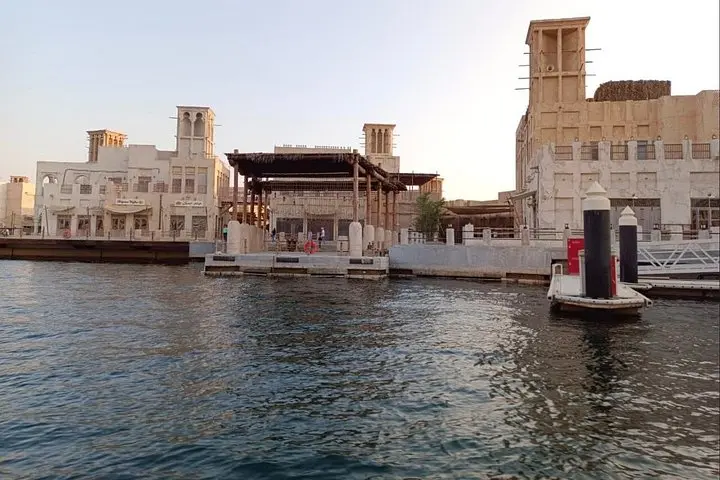
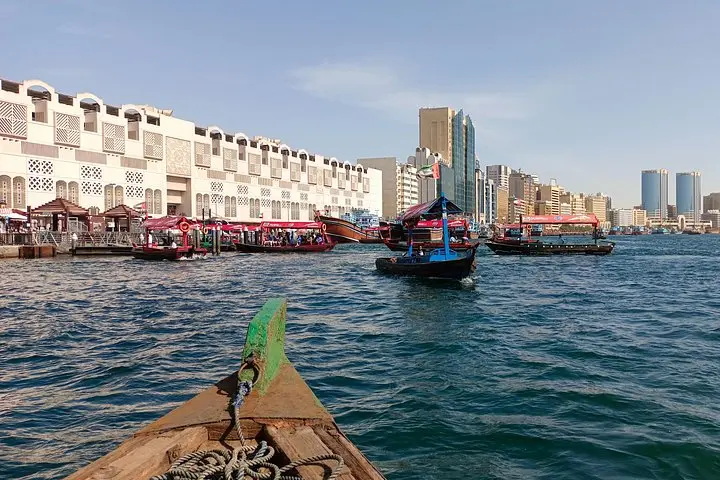
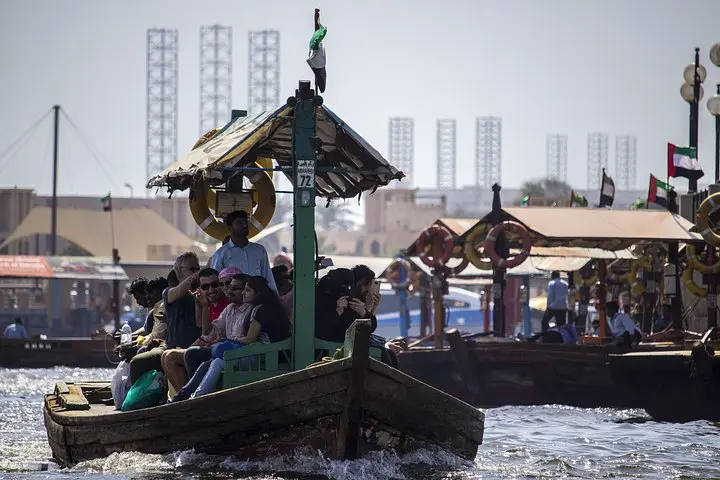
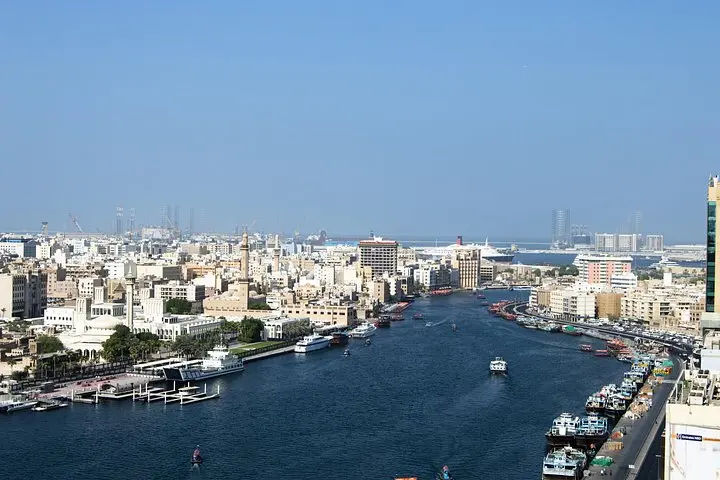
The morning light hits Dubai Creek like a slow reveal — wooden abras slip from shadow to sun, and narrow alleys of wind-towered houses funnel cool air across stone. Begin at Al Seef’s waterfront promenade and you feel the city’s two tempos: the measured trade of the old quarter and the fast glass-and-steel of modern Dubai just across the water.
The morning light hits Dubai Creek like a slow reveal — wooden abras slip from shadow to sun, and narrow alleys of wind-towered houses funnel cool air across stone. Begin at Al Seef’s waterfront promenade and you feel the city’s two tempos: the measured trade of the old quarter and the fast glass-and-steel of modern Dubai just across the water.
This four-hour, largely flat walking tour threads through Al Fahidi (Bastakiya), the spice and textile souks, and the glittering Gold Souk before a short abra crossing. Dubai’s story is obvious here: a 19th-century fishing and pearl-diving economy under the Al Maktoum family, clever vernacular architecture designed for desert ventilation, and marketplaces that powered its rise as a trading hub. The creek still dares you to look both ways — at tradition and at transformation.
Expect 2–4 km of walking on paved streets and uneven souk alleys, pauses to browse and photograph, and a 15-minute abra ride that gives a waterfront perspective of historic dhows and modern skyline. Guides typically supply bottled water and handle logistics; pickup and drop-off are included in most private options.
Practical edge: avoid midday in summer, wear closed-toe shoes for crowded alleys, and dress modestly in respect of local customs. Bring small-denomination cash for bargaining, and keep valuables secured in busy markets. This is an urban cultural immersion — sensory, negotiable, and walkable — best experienced with a guide who can read the architecture and the stories behind each shopfront.