THE ADVENTURE COLLECTIVE® · Independent discovery and booking for outdoor travel

Walk Folsom’s historic streets on a self-guided GPS audio tour that moves from Victorian homes and Sutter Street’s Old West feel to the Truss Bridge and the American River. Download the VoiceMap app, redeem your code, and let the town’s layered history unfold as you stroll.
Walk Folsom’s historic streets on a self-guided GPS audio tour that moves from Victorian homes and Sutter Street’s Old West feel to the Truss Bridge and the American River. Download the VoiceMap app, redeem your code, and let the town’s layered history unfold as you stroll.
Start at the corner of Riley and Scott and you can almost hear the town clear its throat: wooden sidewalks, Victorian facades, and a railroad that once moved people and gold through California’s valley. The audio tour steers you down Sutter Street—Folsom’s old main drag—past restored 19th-century homes and toward the Truss Bridge where the American River unfolds in steady current, daring you to stop and look.
Verified experiences and guided adventures in the surrounding area.
Operated by VoiceMap Audio Tours · Folsom, California
Start at the corner of Riley and Scott and you can almost hear the town clear its throat: wooden sidewalks, Victorian facades, and a railroad that once moved people and gold through California’s valley. The audio tour steers you down Sutter Street—Folsom’s old main drag—past restored 19th-century homes and toward the Truss Bridge where the American River unfolds in steady current, daring you to stop and look.
This route threads together layers of history: indigenous Miwok presence along the river, California’s mid-1800s Gold Rush, the Sacramento Valley Railroad’s role in regional growth, and the cultural aftershock of Johnny Cash’s association with Folsom Prison. Geology is visible in the river’s gravel bars and the low foothills east of town; the river carried the gravels that once held placer gold and shaped the landscape visitors walk today.
Local culture is compact and walkable—antique shops, a handful of cafes, and the preserved Folsom Powerhouse offer context between audio segments. The tour ends on the historic Truss Bridge with views of Lake Natoma’s quieter water and riparian trees that harbor herons and songbirds.
Practical guidance: download the VoiceMap app and redeem your code before you arrive; the tour works offline and triggers automatically by GPS. Allow 90–120 minutes and wear comfortable walking shoes; sidewalks and paved river paths are the norm but can be uneven. Bring water, sun protection, and headphones. Start early on summer days to avoid heat and use the audio’s turn-by-turn directions to stay on the intended route.
Download the VoiceMap app, enter the eight-character code sent to your email, download the tour, then press start when you’re at the corner of Riley and Scott Streets.
Yes—routes are predominantly flat and suitable for varied fitness levels, though mobility aids should note occasional uneven pavement.
Yes—the tour and maps can be downloaded in advance for offline use; this is recommended to avoid spotty cell service.
The route finishes on the Historic Truss Bridge with views of the American River and Lake Natoma; there are nearby cafes and parking options if you need to return to your vehicle.
VoiceMap Audio Tours operates guided outdoor trips and adventures with an emphasis on safety, stewardship, and memorable experiences.
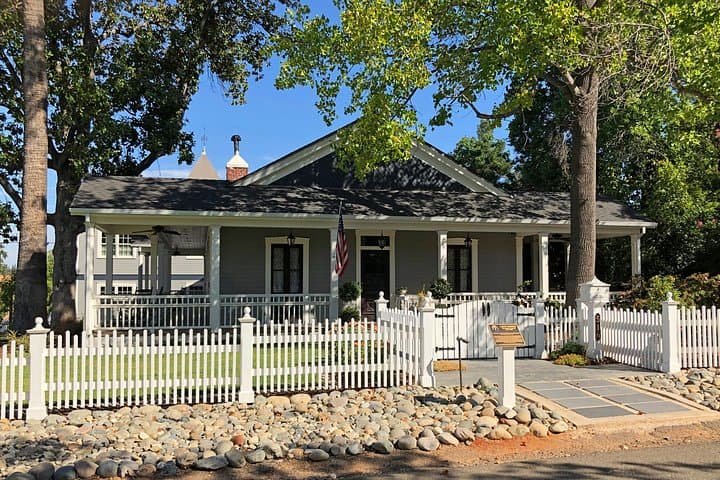
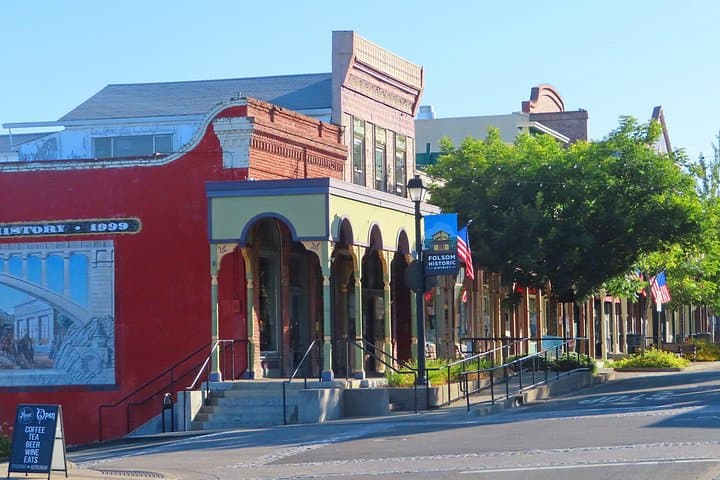
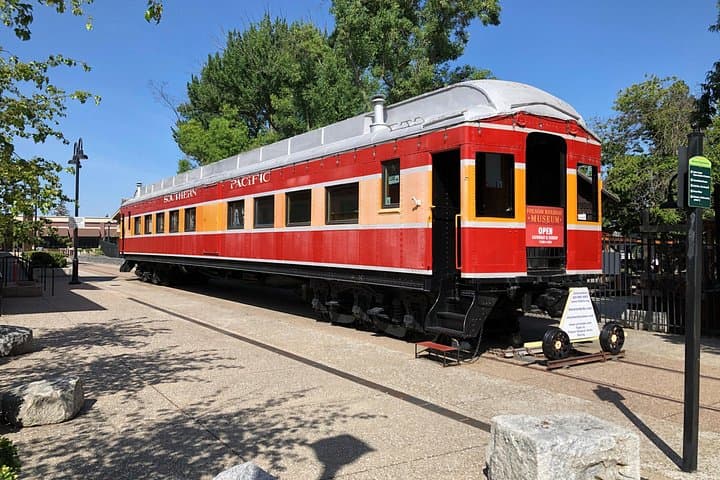
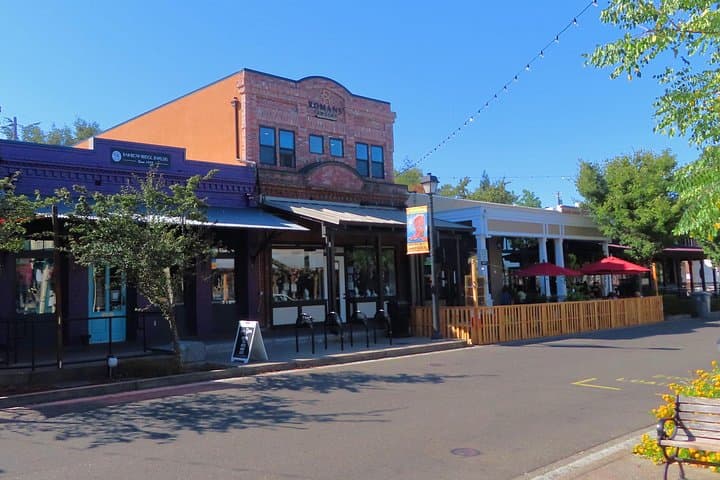
Start at the corner of Riley and Scott and you can almost hear the town clear its throat: wooden sidewalks, Victorian facades, and a railroad that once moved people and gold through California’s valley. The audio tour steers you down Sutter Street—Folsom’s old main drag—past restored 19th-century homes and toward the Truss Bridge where the American River unfolds in steady current, daring you to stop and look.
Start at the corner of Riley and Scott and you can almost hear the town clear its throat: wooden sidewalks, Victorian facades, and a railroad that once moved people and gold through California’s valley. The audio tour steers you down Sutter Street—Folsom’s old main drag—past restored 19th-century homes and toward the Truss Bridge where the American River unfolds in steady current, daring you to stop and look.
This route threads together layers of history: indigenous Miwok presence along the river, California’s mid-1800s Gold Rush, the Sacramento Valley Railroad’s role in regional growth, and the cultural aftershock of Johnny Cash’s association with Folsom Prison. Geology is visible in the river’s gravel bars and the low foothills east of town; the river carried the gravels that once held placer gold and shaped the landscape visitors walk today.
Local culture is compact and walkable—antique shops, a handful of cafes, and the preserved Folsom Powerhouse offer context between audio segments. The tour ends on the historic Truss Bridge with views of Lake Natoma’s quieter water and riparian trees that harbor herons and songbirds.
Practical guidance: download the VoiceMap app and redeem your code before you arrive; the tour works offline and triggers automatically by GPS. Allow 90–120 minutes and wear comfortable walking shoes; sidewalks and paved river paths are the norm but can be uneven. Bring water, sun protection, and headphones. Start early on summer days to avoid heat and use the audio’s turn-by-turn directions to stay on the intended route.