THE ADVENTURE COLLECTIVE® · Independent discovery and booking for outdoor travel

Walk from Hakata Station through temple gardens, castle ruins and the neon-tinged lanes of CANAL CITY HAKATA on this private four-hour exploration. Expect a mix of Edo-period ruins, Zen temples and modern urban design with local stories woven throughout.
Walk from Hakata Station through temple gardens, castle ruins and the neon-tinged lanes of CANAL CITY HAKATA on this private four-hour exploration. Expect a mix of Edo-period ruins, Zen temples and modern urban design with local stories woven throughout.
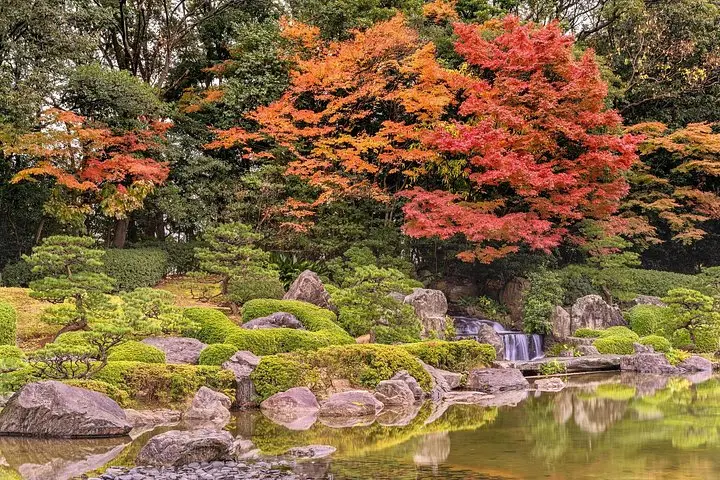
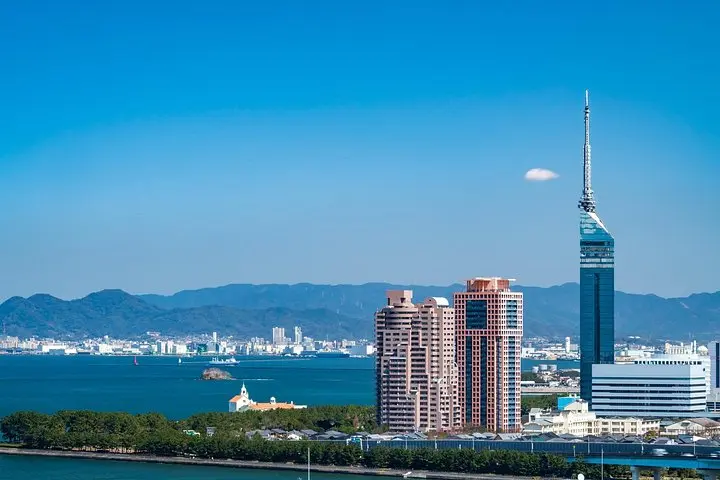
Morning light cuts across Hakata Station and the city hums awake — vending machines warming, commuters threading through glass and steel. This private four-hour walk moves from the modern pulse of Hakata into quieter streets where temple bells and stone walls keep a steadier time.
Verified experiences and guided adventures in the surrounding area.
Operated by Opatrip.com Japan · Fukuoka, Fukuoka Prefecture
Morning light cuts across Hakata Station and the city hums awake — vending machines warming, commuters threading through glass and steel. This private four-hour walk moves from the modern pulse of Hakata into quieter streets where temple bells and stone walls keep a steadier time.
You’ll pass Shofukuji, Japan’s first Zen temple, and Tochoji with its towering wooden Buddha, then climb the grassy terraces of Fukuoka Castle Ruins for an elevated view of urban parks and the canal that once supported Hakata’s merchant trade. CANAL CITY HAKATA interrupts the historic arc with neon, water features and food stalls — a reminder that Fukuoka stages its past alongside contemporary life.
Geology here is subtle: low hills of reclaimed land and ancient river channels shaped a coastal plain that made Hakata a natural port. Culturally, the city blends Kyushu festivals — Kushida Shrine’s floats and local yatai street food — with samurai-era traces from the Kuroda clan.
Practical guidance: the route is mostly flat pavement with short stone steps at shrine approaches; expect about 3–4 miles of walking at a relaxed pace. Wear supportive shoes, carry a light rain layer in typhoon season, and bring cash for shrine offerings and street food. Early morning or late afternoon visits dodge the largest crowds and give softer light for photographs.
This private tour is best for travelers who want focused local storytelling without the bustle, and who appreciate seeing how Fukuoka’s coastal, commercial and spiritual threads stitch together into a compact, walkable cityscape.
The meeting point is Hakata Station; the tour finishes at Fukuoka City Museum, allowing easy transit connections afterward.
Yes — the route is classified as easy with mostly flat sections; participants should be able to walk several miles and handle short staircases at temples.
This itinerary lists outside visits and public access—admission fees are generally not included and may apply at certain sites if you wish to enter buildings.
The tour is offered as a private experience with a professional local guide; language options depend on provider availability — confirm when booking.
Opatrip.com Japan operates guided outdoor trips and adventures with an emphasis on safety, stewardship, and memorable experiences.


Morning light cuts across Hakata Station and the city hums awake — vending machines warming, commuters threading through glass and steel. This private four-hour walk moves from the modern pulse of Hakata into quieter streets where temple bells and stone walls keep a steadier time.
Morning light cuts across Hakata Station and the city hums awake — vending machines warming, commuters threading through glass and steel. This private four-hour walk moves from the modern pulse of Hakata into quieter streets where temple bells and stone walls keep a steadier time.
You’ll pass Shofukuji, Japan’s first Zen temple, and Tochoji with its towering wooden Buddha, then climb the grassy terraces of Fukuoka Castle Ruins for an elevated view of urban parks and the canal that once supported Hakata’s merchant trade. CANAL CITY HAKATA interrupts the historic arc with neon, water features and food stalls — a reminder that Fukuoka stages its past alongside contemporary life.
Geology here is subtle: low hills of reclaimed land and ancient river channels shaped a coastal plain that made Hakata a natural port. Culturally, the city blends Kyushu festivals — Kushida Shrine’s floats and local yatai street food — with samurai-era traces from the Kuroda clan.
Practical guidance: the route is mostly flat pavement with short stone steps at shrine approaches; expect about 3–4 miles of walking at a relaxed pace. Wear supportive shoes, carry a light rain layer in typhoon season, and bring cash for shrine offerings and street food. Early morning or late afternoon visits dodge the largest crowds and give softer light for photographs.
This private tour is best for travelers who want focused local storytelling without the bustle, and who appreciate seeing how Fukuoka’s coastal, commercial and spiritual threads stitch together into a compact, walkable cityscape.