
Historic Hiroshima & Miyajima: Full-Day Guided Tour by Private Vehicle or Public Transport
Spend a day between Miyajima’s tidal shrine and Hiroshima’s Peace Memorial Park with a bilingual guide. Choose private vehicle comfort or public transport for a 7–8 hour tour that pairs cultural depth with accessible logistics.
An Adventure In Hiroshima.
Spend a day between Miyajima’s tidal shrine and Hiroshima’s Peace Memorial Park with a bilingual guide. Choose private vehicle comfort or public transport for a 7–8 hour tour that pairs cultural depth with accessible logistics.
Read the full experience
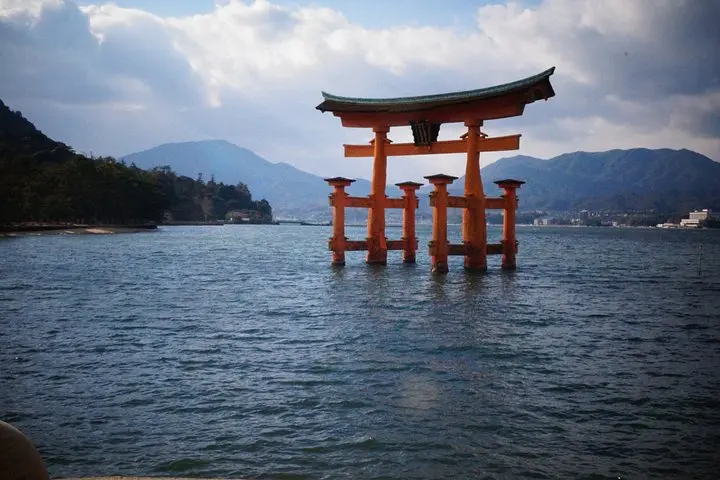
The morning light over the Seto Inland Sea sharpens the silhouette of Miyajima’s Great Torii as ferries slip through the tide and gulls argue over breakfast. On a full-day tour from Hiroshima, you move between that shoreline drama and the quieter, grief-laced green of Peace Memorial Park — an itinerary that alternates seaside calm with hard-edged history.
The morning light over the Seto Inland Sea sharpens the silhouette of Miyajima’s Great Torii as ferries slip through the tide and gulls argue over breakfast. On a full-day tour from Hiroshima, you move between that shoreline drama and the quieter, grief-laced green of Peace Memorial Park — an itinerary that alternates seaside calm with hard-edged history.
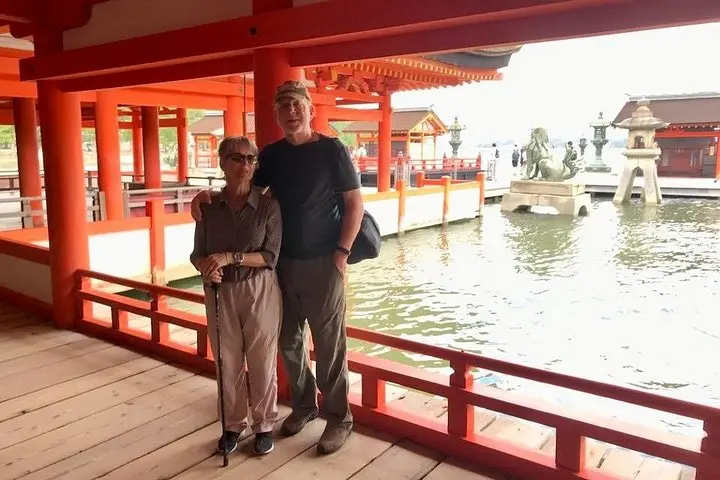
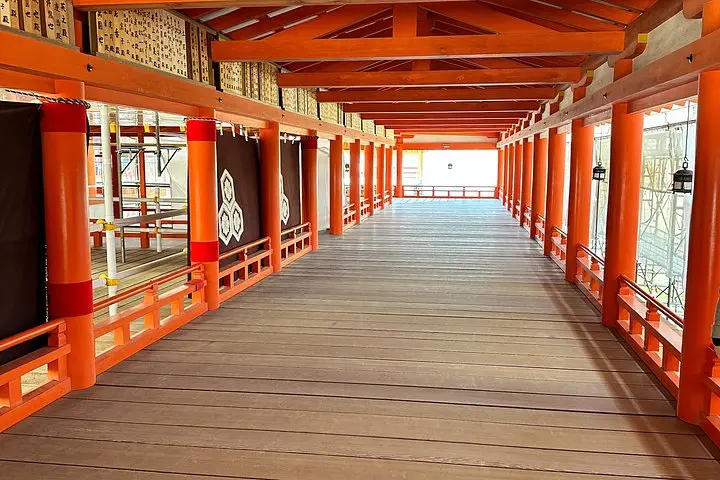
Start with the island: Itsukushima Shrine’s vermilion pillars rise from tidal flats, and the shrine’s wooden walkways creak with centuries of pilgrims’ passage. Geology here is simple — low volcanic peaks and coastal plains shaped by marine terraces — but culture runs deep: Shinto ritual, the deer that wander the streets, and local oyster and okonomiyaki stalls that speak to Hiroshima’s food identity.
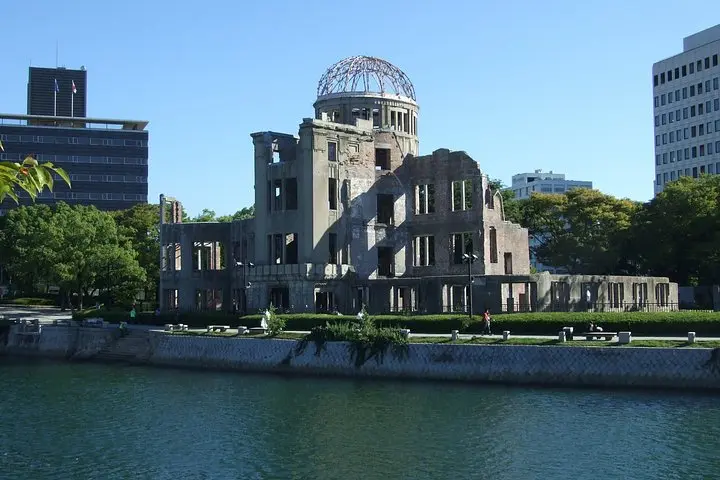
Back on the mainland the Peace Memorial Park and Museum confront visitors with the city’s mid-20th-century rupture and postwar rebuilding. A good guide threads personal stories, dates, and the architectural aftermath into a clear narrative without overwhelming the day.
Practical guidance: expect 7–8 hours with moderate walking, stairs on Miyajima, and ferry transfers if you choose public transport. Bring a compact rain layer, comfortable walking shoes, and cash for shrine donations and street food. If you opt for the private-vehicle upgrade, the day gains flexibility for photo stops and a more relaxed lunch. Timing matters: low tide alters the Torii experience and museum queues are shortest at opening. Listen to your guide — they’ll balance context, silence, and the moments that matter.
Frequently asked questions
Museum admission is not included; guides can explain the exhibits outside and accompany parts of the site but cannot lead private tours inside exhibit halls.
Yes — ferries and trains connect Hiroshima and Miyajima; the public-transport option follows a timed schedule and is a cost-effective choice.
Lunch is not included, but the itinerary recommends Hiroshima-style okonomiyaki restaurants where vegetarian options are typically available if requested.
The tour is family-friendly but involves walking and stairs; travelers with limited mobility or serious health concerns should choose the private vehicle option and notify the guide in advance.
About This Experience
You Can Tours Japan operates guided outdoor trips and adventures with an emphasis on safety, stewardship, and memorable experiences.
Adventure tips
Recommended gear
- Comfortable walking shoes: Closed shoes with traction are useful for shrine boardwalks, ferry ramps, and uneven streets.
- Light rain shell: Spring showers are common; a packable shell keeps you dry during outdoor sections.
- Portable power bank: Useful for long photo sessions and navigation when relying on mobile tickets and maps.
- Small daypack: Holds water, layers, and purchases while keeping hands free for ferry lines and sightseeing.
Photos of the experience
Related adventures & guides
Read the full experience
The morning light over the Seto Inland Sea sharpens the silhouette of Miyajima’s Great Torii as ferries slip through the tide and gulls argue over breakfast. On a full-day tour from Hiroshima, you move between that shoreline drama and the quieter, grief-laced green of Peace Memorial Park — an itinerary that alternates seaside calm with hard-edged history.
The morning light over the Seto Inland Sea sharpens the silhouette of Miyajima’s Great Torii as ferries slip through the tide and gulls argue over breakfast. On a full-day tour from Hiroshima, you move between that shoreline drama and the quieter, grief-laced green of Peace Memorial Park — an itinerary that alternates seaside calm with hard-edged history.
Start with the island: Itsukushima Shrine’s vermilion pillars rise from tidal flats, and the shrine’s wooden walkways creak with centuries of pilgrims’ passage. Geology here is simple — low volcanic peaks and coastal plains shaped by marine terraces — but culture runs deep: Shinto ritual, the deer that wander the streets, and local oyster and okonomiyaki stalls that speak to Hiroshima’s food identity.
Back on the mainland the Peace Memorial Park and Museum confront visitors with the city’s mid-20th-century rupture and postwar rebuilding. A good guide threads personal stories, dates, and the architectural aftermath into a clear narrative without overwhelming the day.
Practical guidance: expect 7–8 hours with moderate walking, stairs on Miyajima, and ferry transfers if you choose public transport. Bring a compact rain layer, comfortable walking shoes, and cash for shrine donations and street food. If you opt for the private-vehicle upgrade, the day gains flexibility for photo stops and a more relaxed lunch. Timing matters: low tide alters the Torii experience and museum queues are shortest at opening. Listen to your guide — they’ll balance context, silence, and the moments that matter.
Make a day of it nearby.
Verified experiences and guided adventures in the surrounding area.