THE ADVENTURE COLLECTIVE® · Independent discovery and booking for outdoor travel

Walk 90 minutes through Hampstead’s Georgian terraces and modernist houses with a guide who links architects, artists and local history. This accessible tour focuses on the stories behind façades, gardens and the conservation fights that shaped the village.
Walk 90 minutes through Hampstead’s Georgian terraces and modernist houses with a guide who links architects, artists and local history. This accessible tour focuses on the stories behind façades, gardens and the conservation fights that shaped the village.
A lost Georgian streetlight hums as you step out from Burgh House onto Hampstead High Street; the guide’s voice threads stories through the air as terraced brick and stucco faces watch. The walk moves at an easy pace past grand townhouses, intimate mews and bold modernist experiments—each façade a marker of tastes, money and ambition across three centuries.
Verified experiences and guided adventures in the surrounding area.
Operated by Heritage Guides · London, England
A lost Georgian streetlight hums as you step out from Burgh House onto Hampstead High Street; the guide’s voice threads stories through the air as terraced brick and stucco faces watch. The walk moves at an easy pace past grand townhouses, intimate mews and bold modernist experiments—each façade a marker of tastes, money and ambition across three centuries.
Hampstead grew from an 18th‑century spa hamlet into a desirable Victorian suburb, attracting architects and creatives who left visible signatures: Norman Shaw’s domestic Gothic, Erno Goldfinger’s striking modernism and Hopkins House’s technical bravado. Beneath the architecture is London clay and flint, and the rise toward the Heath that made Hampstead both a retreat and a vantage point over the expanding city.
Along the route you’ll hear about residents who shaped literature, politics and design, and how private gardens and public commons have been fought for and protected. The result is an urban neighborhood where conservation rules shape what you see as much as the original builders did.
Practical guidance: the tour is 90 minutes, mostly on paved streets with some short inclines; comfortable walking shoes and a light waterproof are smart. Photography is welcome but be mindful of private property. Take the Northern Line to Hampstead tube or one of several bus routes; arrive 10 minutes early to meet at Burgh House exterior. The best viewing light is morning or late afternoon; summer evenings extend sightseeing, while winter visits reward crisp details and quieter streets.
The guide meets outside Burgh House & Hampstead Museum on the High Street; arrive 10 minutes early to check in.
Most surfaces on the route are paved and accessible, but there may be occasional kerbs or narrow pavements—contact the operator for specific assistance.
Yes; the tour is suitable for children and infants in strollers, though younger children may tire during the 90‑minute pace.
Yes—photography of exteriors is allowed; please respect residents’ privacy and avoid entering private property.
Heritage Guides operates guided outdoor trips and adventures with an emphasis on safety, stewardship, and memorable experiences.
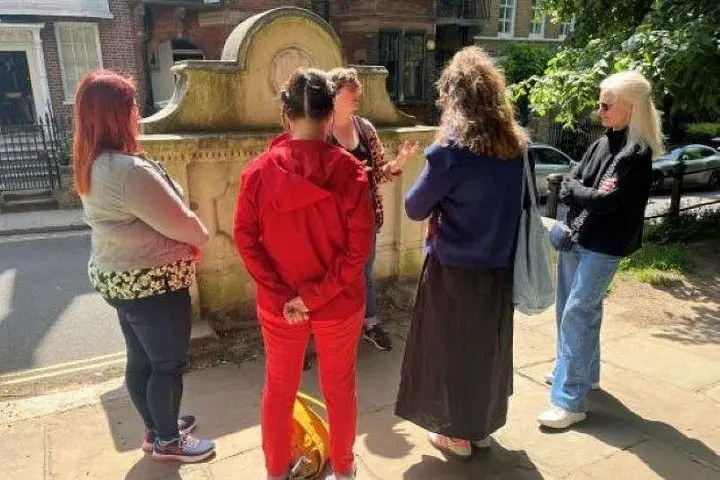
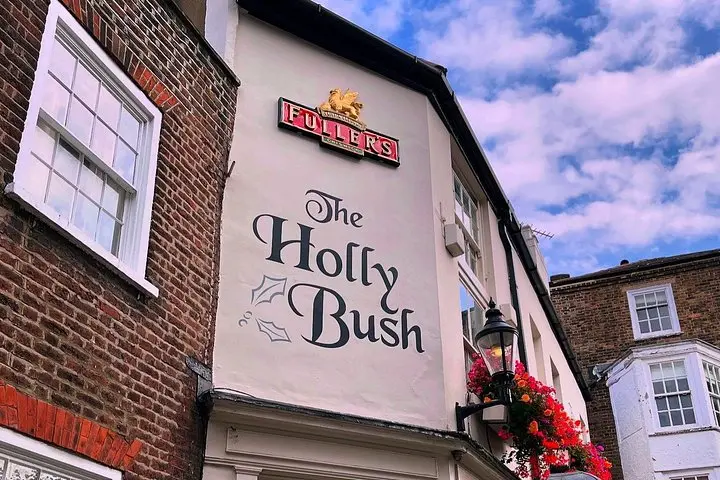
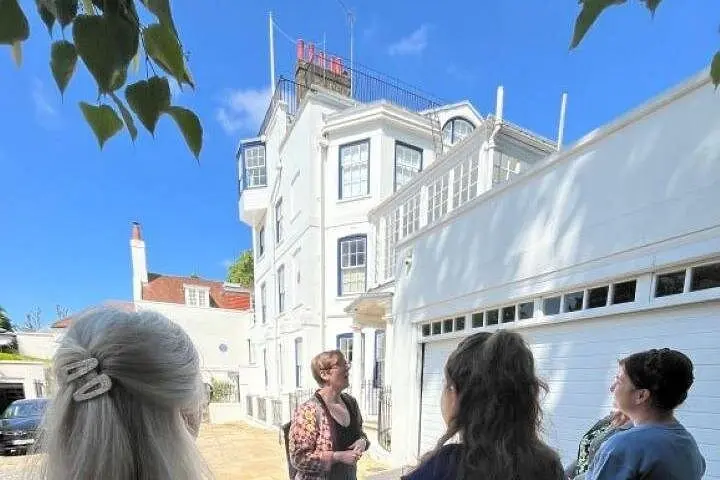
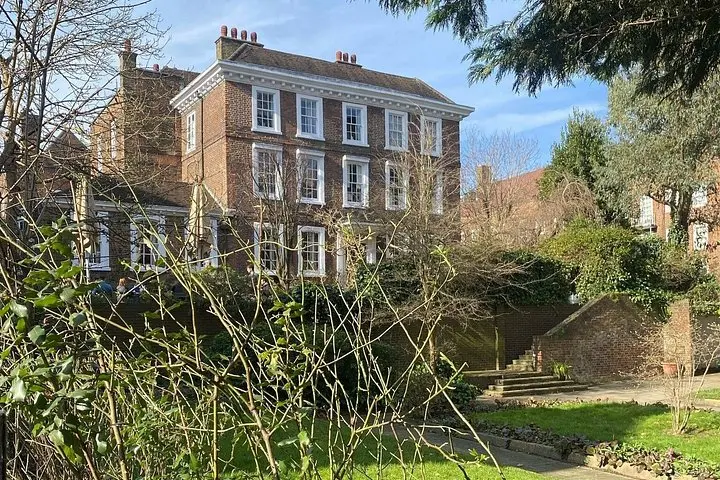
A lost Georgian streetlight hums as you step out from Burgh House onto Hampstead High Street; the guide’s voice threads stories through the air as terraced brick and stucco faces watch. The walk moves at an easy pace past grand townhouses, intimate mews and bold modernist experiments—each façade a marker of tastes, money and ambition across three centuries.
A lost Georgian streetlight hums as you step out from Burgh House onto Hampstead High Street; the guide’s voice threads stories through the air as terraced brick and stucco faces watch. The walk moves at an easy pace past grand townhouses, intimate mews and bold modernist experiments—each façade a marker of tastes, money and ambition across three centuries.
Hampstead grew from an 18th‑century spa hamlet into a desirable Victorian suburb, attracting architects and creatives who left visible signatures: Norman Shaw’s domestic Gothic, Erno Goldfinger’s striking modernism and Hopkins House’s technical bravado. Beneath the architecture is London clay and flint, and the rise toward the Heath that made Hampstead both a retreat and a vantage point over the expanding city.
Along the route you’ll hear about residents who shaped literature, politics and design, and how private gardens and public commons have been fought for and protected. The result is an urban neighborhood where conservation rules shape what you see as much as the original builders did.
Practical guidance: the tour is 90 minutes, mostly on paved streets with some short inclines; comfortable walking shoes and a light waterproof are smart. Photography is welcome but be mindful of private property. Take the Northern Line to Hampstead tube or one of several bus routes; arrive 10 minutes early to meet at Burgh House exterior. The best viewing light is morning or late afternoon; summer evenings extend sightseeing, while winter visits reward crisp details and quieter streets.