THE ADVENTURE COLLECTIVE® · Independent discovery and booking for outdoor travel

Spend a full day tracing Karabakh’s layered past across Shusha, Agdam and Khankendi. This guided route mixes restored monuments, strategic forts and sweeping mountain views — practical, photo‑ready and rich in local stories.
Spend a full day tracing Karabakh’s layered past across Shusha, Agdam and Khankendi. This guided route mixes restored monuments, strategic forts and sweeping mountain views — practical, photo‑ready and rich in local stories.
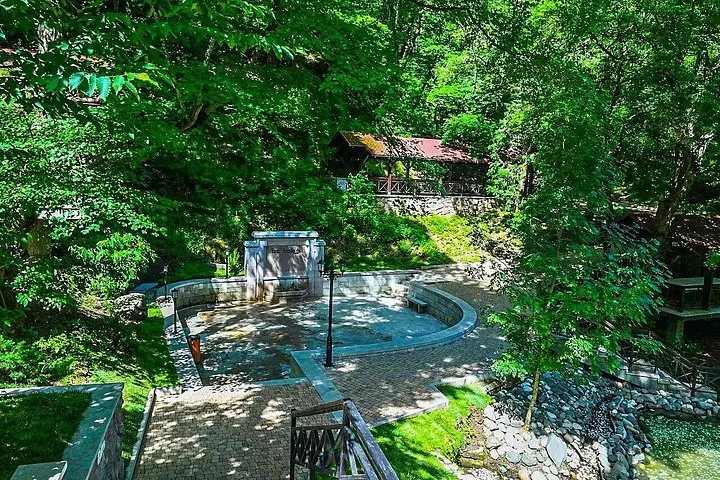
You arrive on a high plateau where wind shapes the grass and mountains hold the horizon — Shusha’s stone roofs and the plateaus of Khankendi sit like chapters opened in the Lesser Caucasus. Jidir Plain frames the valley; from its rim the Dashalty River gouges a green line that dares you to keep looking.
Verified experiences and guided adventures in the surrounding area.
Operated by Smile Azerbaijan Tour · Shusha, Shusha District
You arrive on a high plateau where wind shapes the grass and mountains hold the horizon — Shusha’s stone roofs and the plateaus of Khankendi sit like chapters opened in the Lesser Caucasus. Jidir Plain frames the valley; from its rim the Dashalty River gouges a green line that dares you to keep looking.
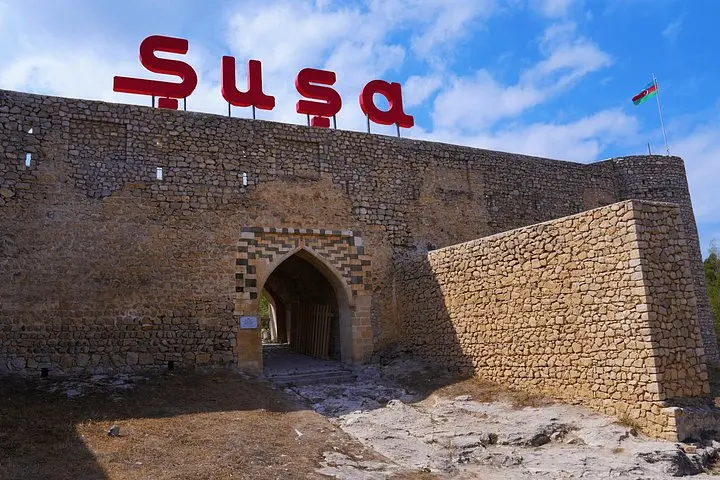
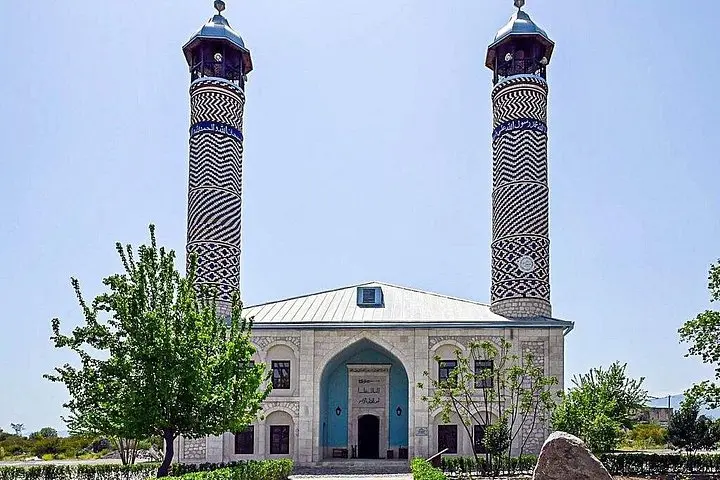
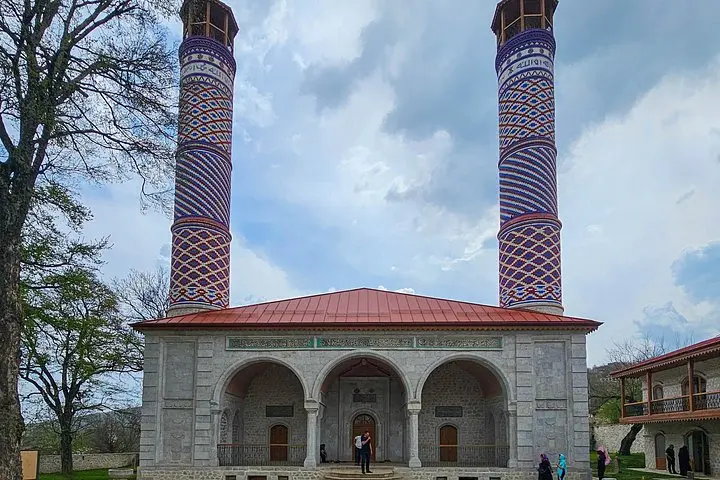
This full‑day excursion threads together centuries of human story and hard geology. Shusha, once the Karabakh Khanate’s capital, preserves 18th‑century fortress walls and the restored Gohar Agha mosques that speak to a rich tradition of music, poetry and carpet weaving. Agdam’s Juma Mosque, reborn with twin minarets, shows how 19th‑century Karabakh architecture blends local stonework with Persianate forms. Askeran Fortress reveals the region’s strategic role between empires. Khankendi sits on volcanic and sedimentary terraces that funnel mountain streams into fertile valleys — prime ground for seasonal grazing and wildflowers.
Expect a practical, road‑based day: long drives between sites, short guided walks and several photo stops. Weather on the plateau shifts quickly — sunshine can turn to wind‑blown cloud in an hour. Bring layers, hydrate, and allow time to absorb viewpoints rather than rushing monuments. Guides typically handle permits and local context; they’ll point out hidden details like local carpet motifs or irrigation terraces.
For planners: start early from Baku, budget a full day with most of it in transit and touring, and pack snacks if you favor independence at remote viewpoints. Respect restored sites and local customs; a camera and steady shoes will serve you well.
The listed duration is about 15 hours total, typically leaving from Baku early morning and returning the same day.
Guides usually manage access and explain what is covered; confirm specifics with the operator before booking.
Yes — itinerary notes indicate it’s accessible for all ages, though expect long drives between stops.
Local restaurants can accommodate basic vegetarian options, but bring snacks for remote stretches.
Smile Azerbaijan Tour operates guided outdoor trips and adventures with an emphasis on safety, stewardship, and memorable experiences.
You arrive on a high plateau where wind shapes the grass and mountains hold the horizon — Shusha’s stone roofs and the plateaus of Khankendi sit like chapters opened in the Lesser Caucasus. Jidir Plain frames the valley; from its rim the Dashalty River gouges a green line that dares you to keep looking.
You arrive on a high plateau where wind shapes the grass and mountains hold the horizon — Shusha’s stone roofs and the plateaus of Khankendi sit like chapters opened in the Lesser Caucasus. Jidir Plain frames the valley; from its rim the Dashalty River gouges a green line that dares you to keep looking.
This full‑day excursion threads together centuries of human story and hard geology. Shusha, once the Karabakh Khanate’s capital, preserves 18th‑century fortress walls and the restored Gohar Agha mosques that speak to a rich tradition of music, poetry and carpet weaving. Agdam’s Juma Mosque, reborn with twin minarets, shows how 19th‑century Karabakh architecture blends local stonework with Persianate forms. Askeran Fortress reveals the region’s strategic role between empires. Khankendi sits on volcanic and sedimentary terraces that funnel mountain streams into fertile valleys — prime ground for seasonal grazing and wildflowers.
Expect a practical, road‑based day: long drives between sites, short guided walks and several photo stops. Weather on the plateau shifts quickly — sunshine can turn to wind‑blown cloud in an hour. Bring layers, hydrate, and allow time to absorb viewpoints rather than rushing monuments. Guides typically handle permits and local context; they’ll point out hidden details like local carpet motifs or irrigation terraces.
For planners: start early from Baku, budget a full day with most of it in transit and touring, and pack snacks if you favor independence at remote viewpoints. Respect restored sites and local customs; a camera and steady shoes will serve you well.