THE ADVENTURE COLLECTIVE® · Independent discovery and booking for outdoor travel

Stroll one mile through Leesburg's compact historic district with a knowledgeable guide, visiting Civil War planning sites, Colonial-era homes, and Romanesque architecture. This 80-minute walking tour blends architectural detail with clear historical context—ideal for a first-time visitor who wants a grounded, sensory introduction to the town.
Stroll one mile through Leesburg's compact historic district with a knowledgeable guide, visiting Civil War planning sites, Colonial-era homes, and Romanesque architecture. This 80-minute walking tour blends architectural detail with clear historical context—ideal for a first-time visitor who wants a grounded, sensory introduction to the town.
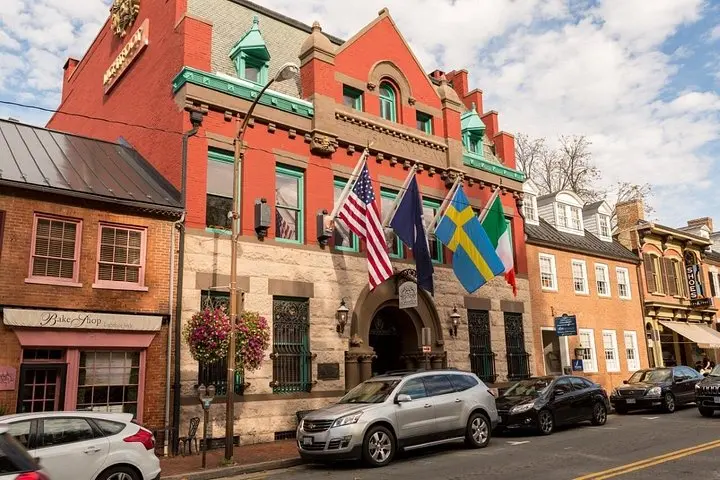
You meet on West Market Street beside the black benches, the town's brick spine unrolling ahead as the guide checks a small list. The street hums with the low, domestic energy of Leesburg—shopfront windows glinting, a clock tower keeping patient time—and the walk pushes you into layers of Virginia history rather than across wilderness.
Verified experiences and guided adventures in the surrounding area.
Operated by Historic Leesburg Walking Tours · Leesburg, Virginia
You meet on West Market Street beside the black benches, the town's brick spine unrolling ahead as the guide checks a small list. The street hums with the low, domestic energy of Leesburg—shopfront windows glinting, a clock tower keeping patient time—and the walk pushes you into layers of Virginia history rather than across wilderness.
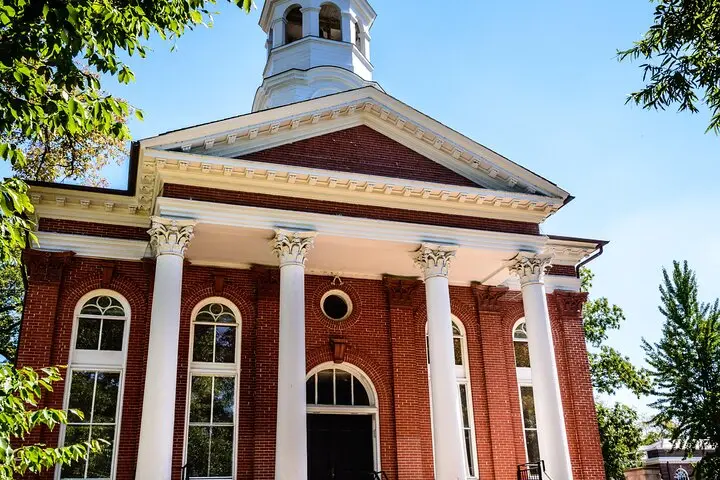
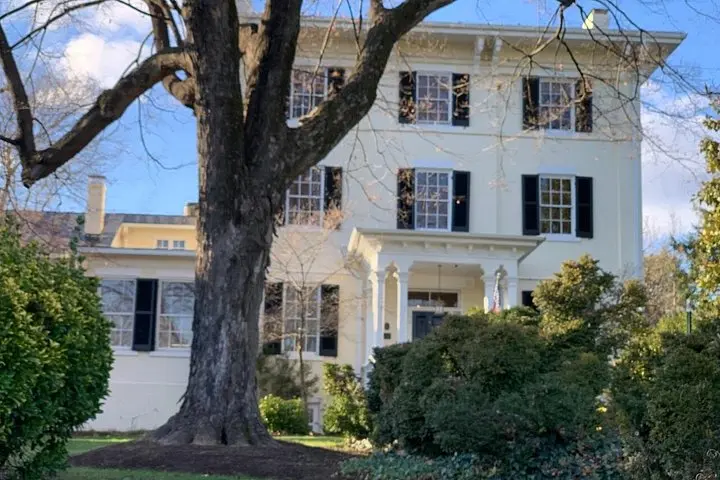
Leesburg's downtown grew from an 18th-century market town into a strategic Civil War hub; the tour threads through Georgian and Romanesque Revival facades to sites where officers planned campaigns and where Lafayette was once welcomed. The geology is gentle—rolling Piedmont slopes that gave early settlers timber and clay for log houses and stone foundations—so the architecture, not the terrain, tells most of the story. Cultural notes appear between stops: courthouse records that touch on emancipation-era networks, a tavern that held civic life, and museums preserving early frontier log construction.
Practically, expect a one-mile route on paved sidewalks and brief stops at a dozen-plus landmarks over roughly 80 minutes. Elevation change is negligible; the pace is conversational. Wear comfortable shoes, bring water and a light layer for spring or chilly evenings, and arrive early if you're driving—the nearby public garage offers the first two hours free. The tour is stroller-accessible, pet-friendly for service animals, and capped at small groups to keep history readable rather than rushed. For travelers who want context, pair this walk with an afternoon at the Loudoun Museum or a self-guided visit to the Old Stone House.
The guided tour lasts about 80 minutes and covers roughly one mile on paved sidewalks with multiple short stops.
Meet on the sidewalk near the black benches at 25 West Market Street, adjacent to the Tally Ho music venue—look for the guide with a small group.
The route is stroller-accessible and generally flat; contact the operator ahead of time to confirm accommodations for mobility devices.
A public parking garage on Market/Loudoun Streets provides the first two hours free—allow extra time for busy weekends.
Historic Leesburg Walking Tours operates guided outdoor trips and adventures with an emphasis on safety, stewardship, and memorable experiences.
You meet on West Market Street beside the black benches, the town's brick spine unrolling ahead as the guide checks a small list. The street hums with the low, domestic energy of Leesburg—shopfront windows glinting, a clock tower keeping patient time—and the walk pushes you into layers of Virginia history rather than across wilderness.
You meet on West Market Street beside the black benches, the town's brick spine unrolling ahead as the guide checks a small list. The street hums with the low, domestic energy of Leesburg—shopfront windows glinting, a clock tower keeping patient time—and the walk pushes you into layers of Virginia history rather than across wilderness.
Leesburg's downtown grew from an 18th-century market town into a strategic Civil War hub; the tour threads through Georgian and Romanesque Revival facades to sites where officers planned campaigns and where Lafayette was once welcomed. The geology is gentle—rolling Piedmont slopes that gave early settlers timber and clay for log houses and stone foundations—so the architecture, not the terrain, tells most of the story. Cultural notes appear between stops: courthouse records that touch on emancipation-era networks, a tavern that held civic life, and museums preserving early frontier log construction.
Practically, expect a one-mile route on paved sidewalks and brief stops at a dozen-plus landmarks over roughly 80 minutes. Elevation change is negligible; the pace is conversational. Wear comfortable shoes, bring water and a light layer for spring or chilly evenings, and arrive early if you're driving—the nearby public garage offers the first two hours free. The tour is stroller-accessible, pet-friendly for service animals, and capped at small groups to keep history readable rather than rushed. For travelers who want context, pair this walk with an afternoon at the Loudoun Museum or a self-guided visit to the Old Stone House.