THE ADVENTURE COLLECTIVE® · Independent discovery and booking for outdoor travel

Walk the original streets of Old Monterey with a local guide who brings adobes, Constitution Hall and Sloat’s Landing to life. This 2–2.5 hour tour mixes civic history, shoreline geology and practical tips for exploring downtown on foot.
Walk the original streets of Old Monterey with a local guide who brings adobes, Constitution Hall and Sloat’s Landing to life. This 2–2.5 hour tour mixes civic history, shoreline geology and practical tips for exploring downtown on foot.
The walk begins at the bronze statue of Don Gaspar de Portolá with salt air and gull calls sketching the edges of the Plaza. Footsteps click on old flagstones as the guide threads together moments when Monterey was a Mexican capital, a small American outpost and a working waterfront. You move through shaded courtyards, past low-slung adobe walls, and stand where the first state government met — history compacted into a few square blocks.
Verified experiences and guided adventures in the surrounding area.
Operated by The Original Monterey Walking Tours · Monterey, California
The walk begins at the bronze statue of Don Gaspar de Portolá with salt air and gull calls sketching the edges of the Plaza. Footsteps click on old flagstones as the guide threads together moments when Monterey was a Mexican capital, a small American outpost and a working waterfront. You move through shaded courtyards, past low-slung adobe walls, and stand where the first state government met — history compacted into a few square blocks.
Geology here is subtle: low coastal bluffs of sedimentary rock give way to sandy fills around the harbor, and the climate is tempered by the cold California Current, which keeps summer fog and cool afternoons common. Culturally, Monterey carries Spanish, Mexican and early American layers — the Custom House and Constitution Hall mark pivotal civic moments, while local artisans and historic gardens speak to everyday life across eras.
The tour is part storytelling, part urban hike: expect 2–2.5 hours on mostly flat surfaces with some stair access in older buildings. Guides recount Sloat’s Landing and the transfer of power in crisp, emphasised anecdotes rather than dry recitation. Local tips: arrive early to find parking downtown or take the Monterey Trolley; wear layers for fog that can cool a sunny morning in minutes.
Practicalities matter as much as the past: bring comfortable shoes, a refillable water bottle, and a camera with spare battery. The route is wheelchair accessible on main streets, but some interior adobes have tight thresholds. Timing your visit for late afternoon light rewards the best photos and fewer crowds.
Meet at the statue of Portolá in front of the Portola Hotel in Portola Plaza; check-in is usually 15 minutes before departure.
Main route streets and many stops are wheelchair accessible, but some historic building interiors may have thresholds or limited access—ask the operator ahead for specifics.
Some indoor visits (like selected adobes) may have admission included; confirm at booking for any specific sites you want to enter.
Yes; the tour is family-friendly and suitable for older children who can manage walking for about two hours.
The Original Monterey Walking Tours operates guided outdoor trips and adventures with an emphasis on safety, stewardship, and memorable experiences.
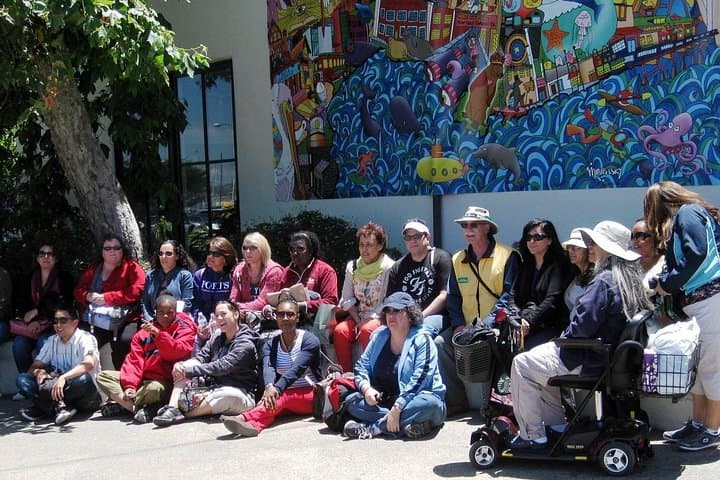
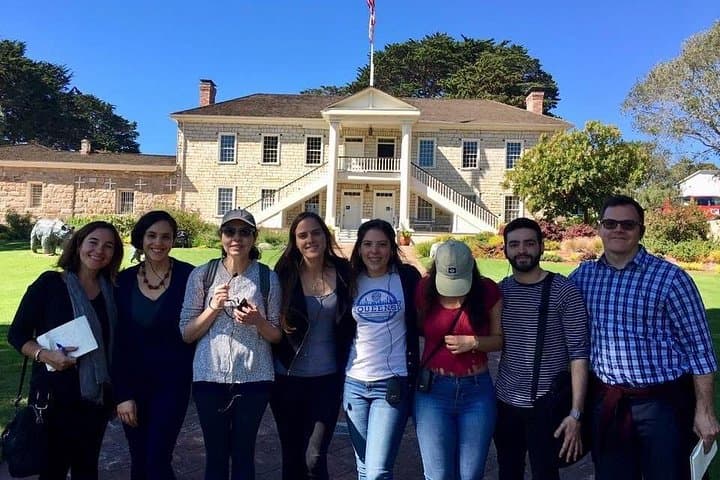
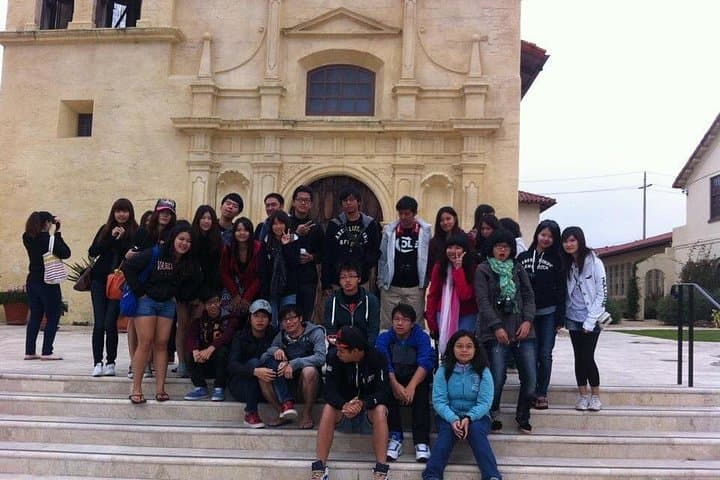
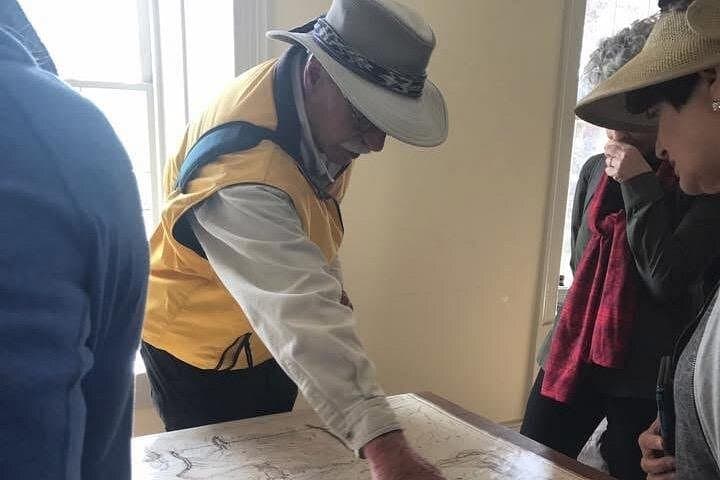
The walk begins at the bronze statue of Don Gaspar de Portolá with salt air and gull calls sketching the edges of the Plaza. Footsteps click on old flagstones as the guide threads together moments when Monterey was a Mexican capital, a small American outpost and a working waterfront. You move through shaded courtyards, past low-slung adobe walls, and stand where the first state government met — history compacted into a few square blocks.
The walk begins at the bronze statue of Don Gaspar de Portolá with salt air and gull calls sketching the edges of the Plaza. Footsteps click on old flagstones as the guide threads together moments when Monterey was a Mexican capital, a small American outpost and a working waterfront. You move through shaded courtyards, past low-slung adobe walls, and stand where the first state government met — history compacted into a few square blocks.
Geology here is subtle: low coastal bluffs of sedimentary rock give way to sandy fills around the harbor, and the climate is tempered by the cold California Current, which keeps summer fog and cool afternoons common. Culturally, Monterey carries Spanish, Mexican and early American layers — the Custom House and Constitution Hall mark pivotal civic moments, while local artisans and historic gardens speak to everyday life across eras.
The tour is part storytelling, part urban hike: expect 2–2.5 hours on mostly flat surfaces with some stair access in older buildings. Guides recount Sloat’s Landing and the transfer of power in crisp, emphasised anecdotes rather than dry recitation. Local tips: arrive early to find parking downtown or take the Monterey Trolley; wear layers for fog that can cool a sunny morning in minutes.
Practicalities matter as much as the past: bring comfortable shoes, a refillable water bottle, and a camera with spare battery. The route is wheelchair accessible on main streets, but some interior adobes have tight thresholds. Timing your visit for late afternoon light rewards the best photos and fewer crowds.