THE ADVENTURE COLLECTIVE® · Independent discovery and booking for outdoor travel

Walk through Monza’s layered past from the Duomo to the Villa Reale and the vast Parco di Monza. This three-hour guided route pairs architectural highlights with riverside paths and century-old trees.
Walk through Monza’s layered past from the Duomo to the Villa Reale and the vast Parco di Monza. This three-hour guided route pairs architectural highlights with riverside paths and century-old trees.
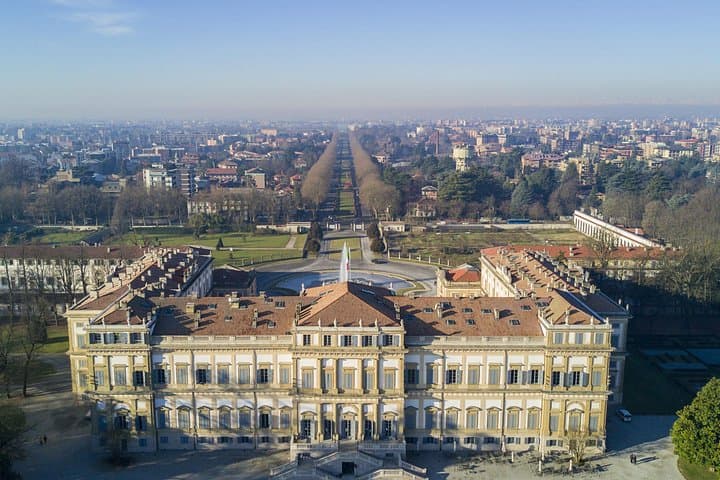
You step off the regional train and are immediately in the square before Monza’s Duomo, where stone and history meet the slow curve of the Lambro. The city moves at a quieter tempo than Milan, its streets framed by medieval façades, Lombard brick, and the pale neoclassical face of the Villa Reale opening onto an English-style garden.
Verified experiences and guided adventures in the surrounding area.
Operated by World Travel Guide · Monza, Lombardy
You step off the regional train and are immediately in the square before Monza’s Duomo, where stone and history meet the slow curve of the Lambro. The city moves at a quieter tempo than Milan, its streets framed by medieval façades, Lombard brick, and the pale neoclassical face of the Villa Reale opening onto an English-style garden.
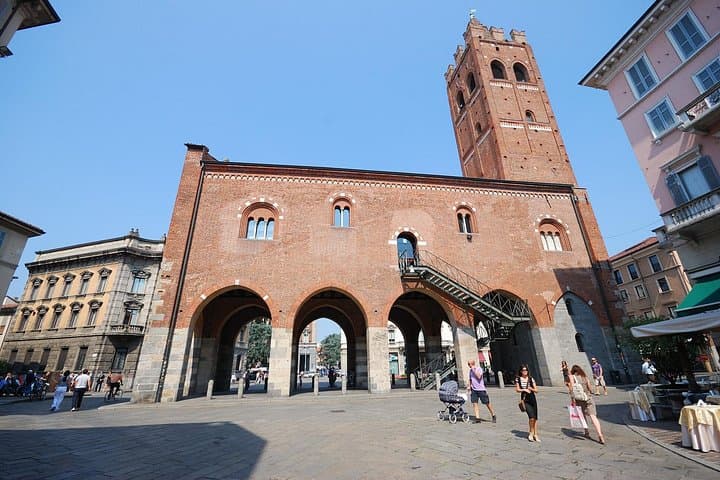
Monza’s past is visible and layered: Roman foundations, Lombard power, Habsburg administration and Napoleonic redesigns have all left readable marks in churches, civic halls and bridges. Geology here is plain-country — flat river meadows that shaped settlement and industry — and the Lambro still steers the town’s ecological rhythm. Culture centers on the Duomo and its treasury, religious processions, and the civic Arengario where civic and spiritual authority once squared off.
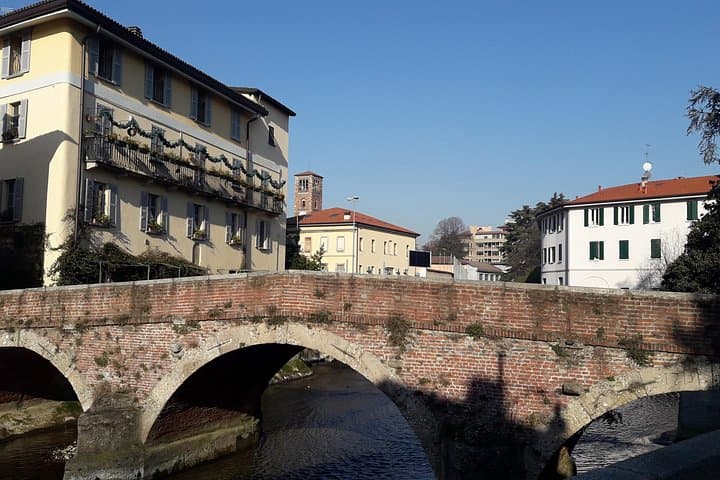
The real outdoors draw is Parco di Monza, more than 700 hectares of enclosed parkland with broad lawns, century-old oaks, ponds and walking paths that run past mills and long balconies of workers’ houses. A three-hour loop can include the Duomo, Royal Villa and a riverside stroll to Lions Bridge; terrain is mostly paved or compact dirt, very little elevation.
Practical guidance: bring comfortable walking shoes, a light rain layer and water bottle; public transit from Milan is frequent and the route is stroller- and wheelchair-friendly in key sections. Aim for morning or late afternoon for softer light and fewer crowds. Respect park rules, carry out litter, and give local wildlife space — the park preserves both built heritage and living habitat.
Yes — the itinerary notes stroller accessibility and mostly flat routes, though some historic sections have cobbles or steps.
Guided tours sometimes include entrance; confirm with the operator if museum or treasury access is part of your booking.
Frequent regional trains run from Milano Centrale and Porta Garibaldi; journey time is about 15–25 minutes depending on service.
Public restrooms and cafés are available near the Duomo and within the Villa Reale grounds; bring small change for paid facilities.
World Travel Guide operates guided outdoor trips and adventures with an emphasis on safety, stewardship, and memorable experiences.

You step off the regional train and are immediately in the square before Monza’s Duomo, where stone and history meet the slow curve of the Lambro. The city moves at a quieter tempo than Milan, its streets framed by medieval façades, Lombard brick, and the pale neoclassical face of the Villa Reale opening onto an English-style garden.
You step off the regional train and are immediately in the square before Monza’s Duomo, where stone and history meet the slow curve of the Lambro. The city moves at a quieter tempo than Milan, its streets framed by medieval façades, Lombard brick, and the pale neoclassical face of the Villa Reale opening onto an English-style garden.
Monza’s past is visible and layered: Roman foundations, Lombard power, Habsburg administration and Napoleonic redesigns have all left readable marks in churches, civic halls and bridges. Geology here is plain-country — flat river meadows that shaped settlement and industry — and the Lambro still steers the town’s ecological rhythm. Culture centers on the Duomo and its treasury, religious processions, and the civic Arengario where civic and spiritual authority once squared off.
The real outdoors draw is Parco di Monza, more than 700 hectares of enclosed parkland with broad lawns, century-old oaks, ponds and walking paths that run past mills and long balconies of workers’ houses. A three-hour loop can include the Duomo, Royal Villa and a riverside stroll to Lions Bridge; terrain is mostly paved or compact dirt, very little elevation.
Practical guidance: bring comfortable walking shoes, a light rain layer and water bottle; public transit from Milan is frequent and the route is stroller- and wheelchair-friendly in key sections. Aim for morning or late afternoon for softer light and fewer crowds. Respect park rules, carry out litter, and give local wildlife space — the park preserves both built heritage and living habitat.