THE ADVENTURE COLLECTIVE® · Independent discovery and booking for outdoor travel

Walk two hours through Old Québec with a period-costumed guide and encounter Château Frontenac, Place Royale and the steep streets that shaped New France. This compact tour mixes tangible history with practical tips for navigating cobbles and stairs.
Walk two hours through Old Québec with a period-costumed guide and encounter Château Frontenac, Place Royale and the steep streets that shaped New France. This compact tour mixes tangible history with practical tips for navigating cobbles and stairs.
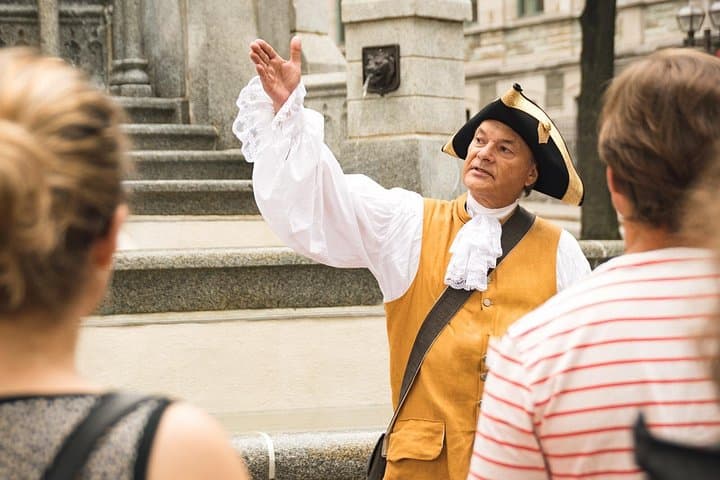
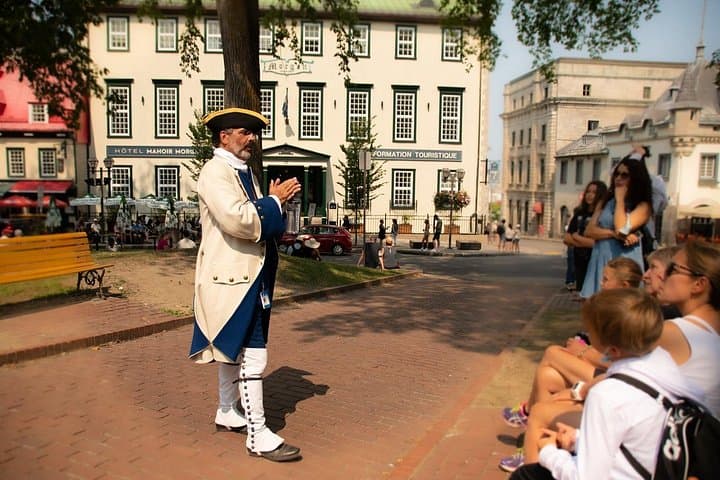
The wooden boards of the Dufferin Terrace creak under a steady stream of footsteps as the St. Lawrence River throws light across the city — a low, tidal presence that seems to hurry history along. On this two-hour guided walk through Old Québec, a costumed cicerone leads you between Château Frontenac’s copper roofs and the stone of Place Royale, narrating four centuries of settlement, conflict and daily life.
Verified experiences and guided adventures in the surrounding area.
Operated by Cicerone Tours · Quebec City, Quebec
The wooden boards of the Dufferin Terrace creak under a steady stream of footsteps as the St. Lawrence River throws light across the city — a low, tidal presence that seems to hurry history along. On this two-hour guided walk through Old Québec, a costumed cicerone leads you between Château Frontenac’s copper roofs and the stone of Place Royale, narrating four centuries of settlement, conflict and daily life.
Québec City began in 1608 with Samuel de Champlain; the compact street plan and surviving 17th- and 18th-century façades reflect French colonial urbanism adapted to a steep riverside bluff. Geology is visible in the cliffline drop from Upper Town to Lower Town and the exposed St. Lawrence shoreline; cobbles and limestone steps are part of the city’s character. Culturally, you’ll hear stories about New France, British rule and the francophone traditions that shape modern Québec — expect references to governors, the cathedral’s role, and the merchants of Petit-Champlain.
Practical guidance: the tour runs rain or shine and lasts roughly two hours, covering about 1.5–2.5 km of cobbled streets and several staircases. Wear supportive shoes for uneven surfaces and layers for sharp river breezes. Bring a small bottle of water and be ready to walk at a steady pace; the guide stops for explanation but there are short stretches of continuous walking. Stroller access is possible in parts but some stair sections require carrying. Public transit and taxis serve the historic core; arrive 10 minutes early to find the meeting point and get settled before the group moves on.
Parts of the route are accessible and strollers are generally possible, but several stair sections and steep streets require carrying; contact the operator if accessibility is a primary concern.
Guides commonly operate in English and French; check the booking page for language availability and confirm at reservation.
The tour runs rain or shine; guides continue in light precipitation so wear appropriate weather gear; in severe conditions the operator may cancel with notice.
The listed policy allows a full refund if you cancel at least 24 hours before the scheduled departure time; confirm specifics on your booking confirmation.
Cicerone Tours operates guided outdoor trips and adventures with an emphasis on safety, stewardship, and memorable experiences.


The wooden boards of the Dufferin Terrace creak under a steady stream of footsteps as the St. Lawrence River throws light across the city — a low, tidal presence that seems to hurry history along. On this two-hour guided walk through Old Québec, a costumed cicerone leads you between Château Frontenac’s copper roofs and the stone of Place Royale, narrating four centuries of settlement, conflict and daily life.
The wooden boards of the Dufferin Terrace creak under a steady stream of footsteps as the St. Lawrence River throws light across the city — a low, tidal presence that seems to hurry history along. On this two-hour guided walk through Old Québec, a costumed cicerone leads you between Château Frontenac’s copper roofs and the stone of Place Royale, narrating four centuries of settlement, conflict and daily life.
Québec City began in 1608 with Samuel de Champlain; the compact street plan and surviving 17th- and 18th-century façades reflect French colonial urbanism adapted to a steep riverside bluff. Geology is visible in the cliffline drop from Upper Town to Lower Town and the exposed St. Lawrence shoreline; cobbles and limestone steps are part of the city’s character. Culturally, you’ll hear stories about New France, British rule and the francophone traditions that shape modern Québec — expect references to governors, the cathedral’s role, and the merchants of Petit-Champlain.
Practical guidance: the tour runs rain or shine and lasts roughly two hours, covering about 1.5–2.5 km of cobbled streets and several staircases. Wear supportive shoes for uneven surfaces and layers for sharp river breezes. Bring a small bottle of water and be ready to walk at a steady pace; the guide stops for explanation but there are short stretches of continuous walking. Stroller access is possible in parts but some stair sections require carrying. Public transit and taxis serve the historic core; arrive 10 minutes early to find the meeting point and get settled before the group moves on.