THE ADVENTURE COLLECTIVE® · Independent discovery and booking for outdoor travel

Walk from Sainte-Chapelle to the Grand Palais on a guided 90–120 minute tour that threads Parisian history, architecture, and riverside views. Ideal for first-time visitors who want context, quick access to key landmarks, and practical tips for timing and crowds.
Walk from Sainte-Chapelle to the Grand Palais on a guided 90–120 minute tour that threads Parisian history, architecture, and riverside views. Ideal for first-time visitors who want context, quick access to key landmarks, and practical tips for timing and crowds.
Morning light filters through slate roofs as the group gathers near Île de la Cité. The guide leads you under stone arches; the Seine slips by like a patient companion, daring you to slow down and look. Starting at Sainte-Chapelle, the day unfolds on foot through the Louvre’s plaza, across the Pont des Arts, along the Tuileries, and up the Avenue des Champs-Élysées to the Grand Palais.
Verified experiences and guided adventures in the surrounding area.
Operated by BlackBuck Travels · Paris, Île-de-France
Morning light filters through slate roofs as the group gathers near Île de la Cité. The guide leads you under stone arches; the Seine slips by like a patient companion, daring you to slow down and look. Starting at Sainte-Chapelle, the day unfolds on foot through the Louvre’s plaza, across the Pont des Arts, along the Tuileries, and up the Avenue des Champs-Élysées to the Grand Palais.
This route threads centuries of Parisian history: 13th-century royal chapels, Haussmann-era boulevards, and the Louvre’s former royal palace sealing a narrative of monarchy, revolution, and artistic reinvention. Geologically unremarkable but architecturally rich, the city is built on compacted alluvial terraces of the Seine and limestone quarried nearby, which gave rise to its pale façades. Culturally, these sites reflect France’s shifts in power and public life — from sacred relics to republican squares and promenading promenades.
Practical guidance: expect 1.5–2 hours of mostly flat walking on cobbles and pavement; wear comfortable shoes and a light jacket. Bring a small daypack with water and a camera; museums along the way often require separate entry tickets if you choose to go inside. Morning departures cut down on crowds at the Louvre and Pont des Arts; late afternoon offers warmer light for photos on the Champs-Élysées.
This walking tour is compact but layered — a concentrated way to read Paris’s streets, architecture, and public rituals while getting a clear sense of scale, context, and where to return for deeper exploration.
No—this walking tour passes the Louvre and explains its history; museum admission is separate and not included.
This offering specifies an English-speaking guide; check operator options for other languages when booking.
Yes—it's rated 'easy' with mostly flat walking, but participants should be comfortable standing and walking for up to two hours.
All sales are final for this tour; cancellations are non-refundable, so confirm plans before booking.
BlackBuck Travels operates guided outdoor trips and adventures with an emphasis on safety, stewardship, and memorable experiences.

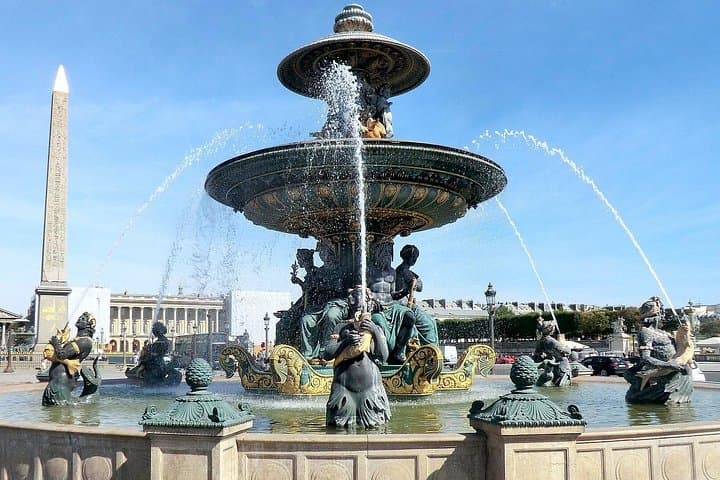


Morning light filters through slate roofs as the group gathers near Île de la Cité. The guide leads you under stone arches; the Seine slips by like a patient companion, daring you to slow down and look. Starting at Sainte-Chapelle, the day unfolds on foot through the Louvre’s plaza, across the Pont des Arts, along the Tuileries, and up the Avenue des Champs-Élysées to the Grand Palais.
Morning light filters through slate roofs as the group gathers near Île de la Cité. The guide leads you under stone arches; the Seine slips by like a patient companion, daring you to slow down and look. Starting at Sainte-Chapelle, the day unfolds on foot through the Louvre’s plaza, across the Pont des Arts, along the Tuileries, and up the Avenue des Champs-Élysées to the Grand Palais.
This route threads centuries of Parisian history: 13th-century royal chapels, Haussmann-era boulevards, and the Louvre’s former royal palace sealing a narrative of monarchy, revolution, and artistic reinvention. Geologically unremarkable but architecturally rich, the city is built on compacted alluvial terraces of the Seine and limestone quarried nearby, which gave rise to its pale façades. Culturally, these sites reflect France’s shifts in power and public life — from sacred relics to republican squares and promenading promenades.
Practical guidance: expect 1.5–2 hours of mostly flat walking on cobbles and pavement; wear comfortable shoes and a light jacket. Bring a small daypack with water and a camera; museums along the way often require separate entry tickets if you choose to go inside. Morning departures cut down on crowds at the Louvre and Pont des Arts; late afternoon offers warmer light for photos on the Champs-Élysées.
This walking tour is compact but layered — a concentrated way to read Paris’s streets, architecture, and public rituals while getting a clear sense of scale, context, and where to return for deeper exploration.