THE ADVENTURE COLLECTIVE® · Independent discovery and booking for outdoor travel

Walk the Île de la Cité to the Louvre with a historian’s narration in your pocket. This 3–4 hour self-guided audio tour covers Notre‑Dame, Sainte‑Chapelle and the Louvre’s oldest wings — perfect for independent explorers who want history, viewpoints and photo stops on their own schedule.
Walk the Île de la Cité to the Louvre with a historian’s narration in your pocket. This 3–4 hour self-guided audio tour covers Notre‑Dame, Sainte‑Chapelle and the Louvre’s oldest wings — perfect for independent explorers who want history, viewpoints and photo stops on their own schedule.
Morning on the Île de la Cité begins with the Seine nudging the quays and the cathedral façade catching a cold, clear light. A self-guided audio route leads you from Notre-Dame’s carved portals across narrow streets to Sainte-Chapelle’s jewel-box glass and onward to the long, layered faces of the Louvre — an itinerary that reads like Paris in chapters.
Verified experiences and guided adventures in the surrounding area.
Operated by Vidi Guides · Paris, Île-de-France
Morning on the Île de la Cité begins with the Seine nudging the quays and the cathedral façade catching a cold, clear light. A self-guided audio route leads you from Notre-Dame’s carved portals across narrow streets to Sainte-Chapelle’s jewel-box glass and onward to the long, layered faces of the Louvre — an itinerary that reads like Paris in chapters.
These sites map centuries: Notre‑Dame’s Gothic construction from the 12th–14th centuries, Sainte‑Chapelle built for King Louis IX to house relics, and the Louvre’s evolution from medieval fortress to royal palace and modern museum. Geologically the route sits on Paris Basin limestone, with river terraces shaping the quays and bridges you’ll cross; culturally you’ll pass bookshops, cafés, and plazas where political life and daily rhythms have played out for generations.
Practically, the tour is a 3–4 hour walking loop through mostly flat, paved streets — expect 4–6 km on foot with frequent stops to listen and photograph. The audio app is location-aware and offers offline download; it does not include entrance tickets to museums or chapels. Bring comfortable shoes, a charged phone or battery pack, and an umbrella in changeable weather. Plan to start early to avoid peak crowds around the Louvre and bridges, and keep valuables secure in busy squares.
This self-guided format suits curious travelers who prefer moving at their own pace while accessing historian-led narration — it’s a focused urban hike that pairs architecture, story, and the steady presence of the Seine.
No — this is a self-guided audio tour and does not include museum or chapel admission; buy tickets separately for interior access where required.
Expect roughly 3–4 hours and about 4–6 km on mostly flat, paved streets with frequent short stops for narration and photo opportunities.
You can download the audio and maps in advance for offline use, but initial download requires internet and a charged device is necessary for playback and GPS.
The route is mostly flat and on paved surfaces, but some historic sidewalks and cobbles may be uneven; accessibility can vary near bridges and older plazas.
Vidi Guides operates guided outdoor trips and adventures with an emphasis on safety, stewardship, and memorable experiences.
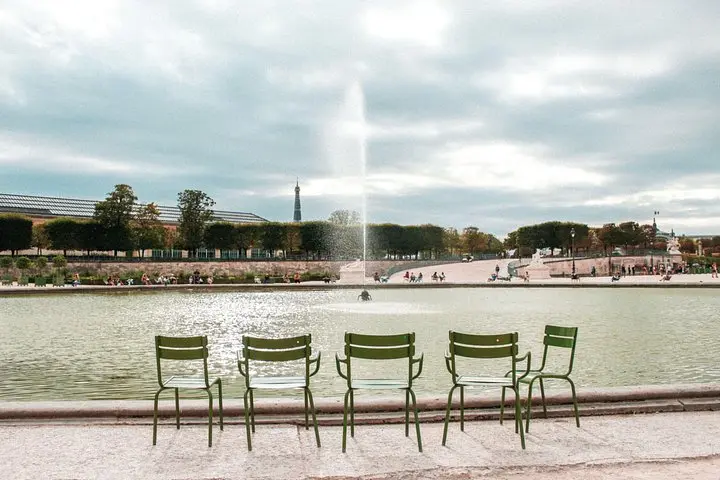
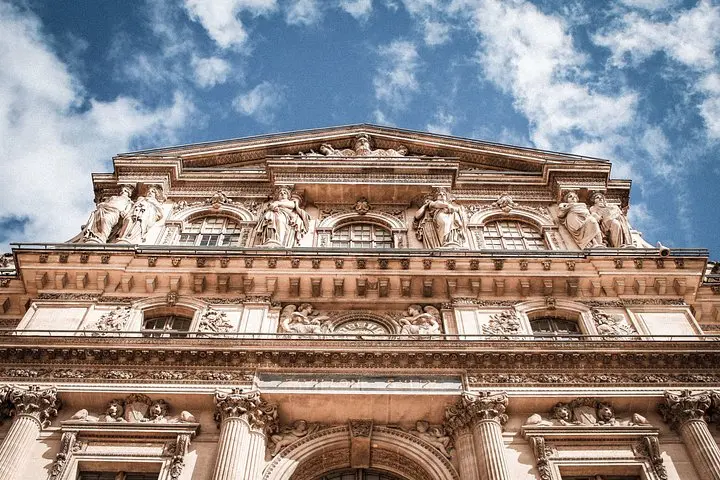

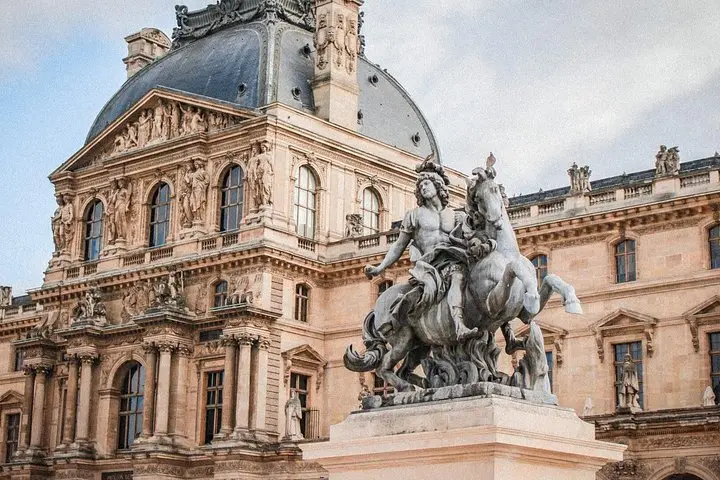
Morning on the Île de la Cité begins with the Seine nudging the quays and the cathedral façade catching a cold, clear light. A self-guided audio route leads you from Notre-Dame’s carved portals across narrow streets to Sainte-Chapelle’s jewel-box glass and onward to the long, layered faces of the Louvre — an itinerary that reads like Paris in chapters.
Morning on the Île de la Cité begins with the Seine nudging the quays and the cathedral façade catching a cold, clear light. A self-guided audio route leads you from Notre-Dame’s carved portals across narrow streets to Sainte-Chapelle’s jewel-box glass and onward to the long, layered faces of the Louvre — an itinerary that reads like Paris in chapters.
These sites map centuries: Notre‑Dame’s Gothic construction from the 12th–14th centuries, Sainte‑Chapelle built for King Louis IX to house relics, and the Louvre’s evolution from medieval fortress to royal palace and modern museum. Geologically the route sits on Paris Basin limestone, with river terraces shaping the quays and bridges you’ll cross; culturally you’ll pass bookshops, cafés, and plazas where political life and daily rhythms have played out for generations.
Practically, the tour is a 3–4 hour walking loop through mostly flat, paved streets — expect 4–6 km on foot with frequent stops to listen and photograph. The audio app is location-aware and offers offline download; it does not include entrance tickets to museums or chapels. Bring comfortable shoes, a charged phone or battery pack, and an umbrella in changeable weather. Plan to start early to avoid peak crowds around the Louvre and bridges, and keep valuables secure in busy squares.
This self-guided format suits curious travelers who prefer moving at their own pace while accessing historian-led narration — it’s a focused urban hike that pairs architecture, story, and the steady presence of the Seine.