THE ADVENTURE COLLECTIVE® · Independent discovery and booking for outdoor travel

Walk Porto’s winding streets from Avenida da Boavista to Ribeira, sample Port wine in Gaia’s caves, and cruise under the city’s six bridges. This full-day guided tour blends architecture, river views, and local flavor into a compact exploration.
Walk Porto’s winding streets from Avenida da Boavista to Ribeira, sample Port wine in Gaia’s caves, and cruise under the city’s six bridges. This full-day guided tour blends architecture, river views, and local flavor into a compact exploration.
The day opens on Avenida da Boavista with the harbor spread like a working stage — cranes and fishing boats framing Casa da Música’s modern angles. A local guide leads the group through city streets where granite facades change pitch and the Douro River dares you to follow it downstream.
Verified experiences and guided adventures in the surrounding area.
Operated by Latours · Porto, Porto
The day opens on Avenida da Boavista with the harbor spread like a working stage — cranes and fishing boats framing Casa da Música’s modern angles. A local guide leads the group through city streets where granite facades change pitch and the Douro River dares you to follow it downstream.
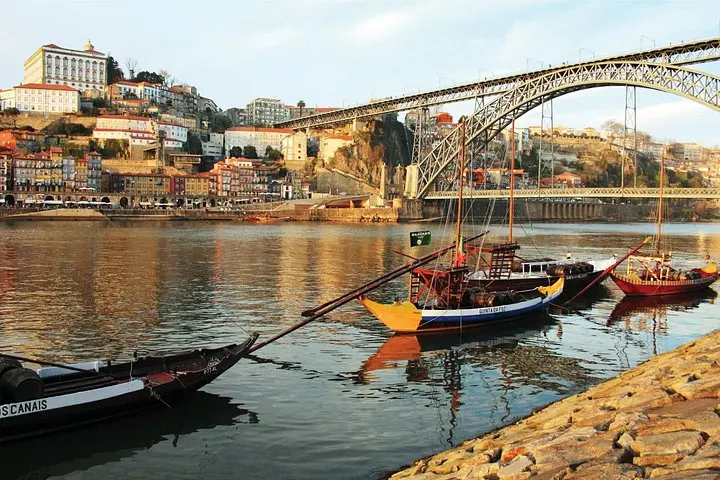
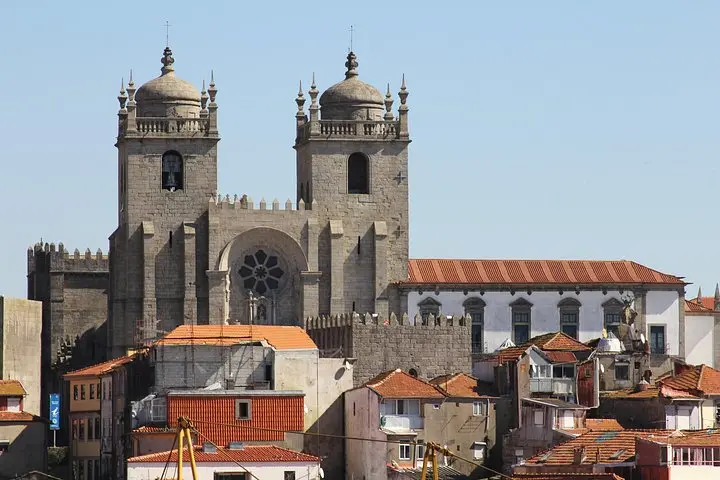
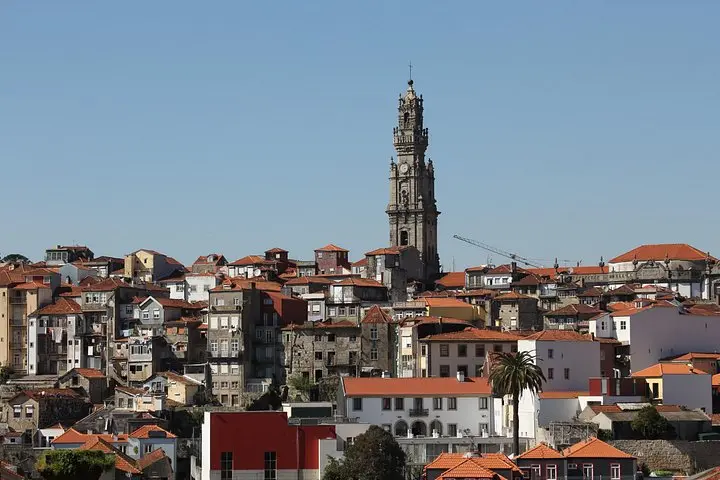
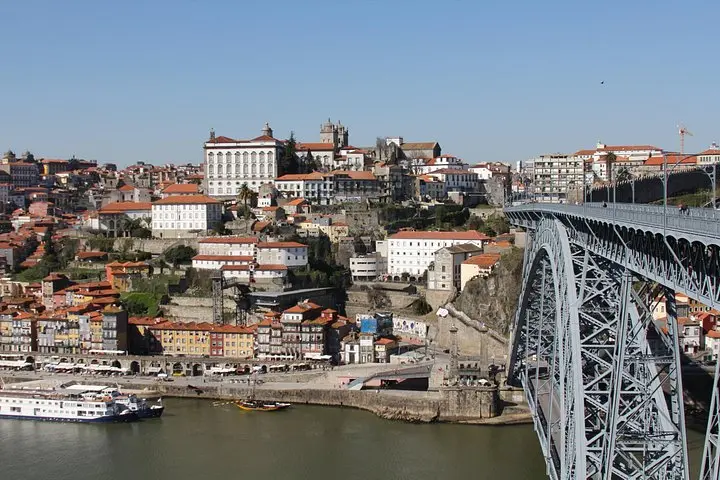
Porto’s story is visible in stone: Roman foundations under a medieval Sé (cathedral) and later Baroque flourishes in Clérigos Church and Tower (the tower rises ~76 m and requires roughly 225 steps to the top). The Mercado do Bolhão still hums with vendors, and the tiled hall of São Bento records travel stories in azulejo panels. Across the river, Vila Nova de Gaia’s port wine caves recall centuries of barrels, salt breeze, and trade routes that shaped the region’s economy and culture.
Geology is simple and raw here — granite streets, Douro clay terraces upriver, and the river’s tidal pull that shaped the city’s docks. Cultural notes: Porto’s historic centre is a UNESCO World Heritage site; local life revolves around markets, cafés like the Majestic, and small family-run lodges in Ribeira.
Practical guidance: the itinerary runs about nine hours, mixing short walks, an inner-city vehicle transfer, a riverside lunch in Ribeira, and a ~50-minute Douro “six bridges” cruise. Expect cobbled streets and staircases; wear sturdy shoes, plan for variable weather, and book cave tastings in advance if desired. Public transport links are plentiful, but the private-tour format keeps transit minimal — bring water, layered clothing, and a charged camera for riverlight moments.
Lunch in Ribeira is arranged as part of the day but check the booking details — some operators offer a set menu while drinks or extras may be at your own expense.
The itinerary includes a visit to the port wine caves but tastings or premium experiences can be additional; confirm what’s covered when you book.
The tour is rated easy overall, but historic areas have cobbles and stairs; contact the operator about pickup options and modified routes if needed.
Start locations are central in Porto (often near major hotels or transport hubs); private pickup/transfer options are frequently available and should be confirmed at booking.
Latours operates guided outdoor trips and adventures with an emphasis on safety, stewardship, and memorable experiences.
The day opens on Avenida da Boavista with the harbor spread like a working stage — cranes and fishing boats framing Casa da Música’s modern angles. A local guide leads the group through city streets where granite facades change pitch and the Douro River dares you to follow it downstream.
The day opens on Avenida da Boavista with the harbor spread like a working stage — cranes and fishing boats framing Casa da Música’s modern angles. A local guide leads the group through city streets where granite facades change pitch and the Douro River dares you to follow it downstream.
Porto’s story is visible in stone: Roman foundations under a medieval Sé (cathedral) and later Baroque flourishes in Clérigos Church and Tower (the tower rises ~76 m and requires roughly 225 steps to the top). The Mercado do Bolhão still hums with vendors, and the tiled hall of São Bento records travel stories in azulejo panels. Across the river, Vila Nova de Gaia’s port wine caves recall centuries of barrels, salt breeze, and trade routes that shaped the region’s economy and culture.
Geology is simple and raw here — granite streets, Douro clay terraces upriver, and the river’s tidal pull that shaped the city’s docks. Cultural notes: Porto’s historic centre is a UNESCO World Heritage site; local life revolves around markets, cafés like the Majestic, and small family-run lodges in Ribeira.
Practical guidance: the itinerary runs about nine hours, mixing short walks, an inner-city vehicle transfer, a riverside lunch in Ribeira, and a ~50-minute Douro “six bridges” cruise. Expect cobbled streets and staircases; wear sturdy shoes, plan for variable weather, and book cave tastings in advance if desired. Public transport links are plentiful, but the private-tour format keeps transit minimal — bring water, layered clothing, and a charged camera for riverlight moments.