THE ADVENTURE COLLECTIVE® · Independent discovery and booking for outdoor travel

Walk five kilometers of Rio’s historic heart from Cinelândia to Praça Mauá, passing colonial libraries, ornate cafés, and monastery cloisters. This private, bilingual tour runs at your pace with frequent stops for architecture and local stories.
Walk five kilometers of Rio’s historic heart from Cinelândia to Praça Mauá, passing colonial libraries, ornate cafés, and monastery cloisters. This private, bilingual tour runs at your pace with frequent stops for architecture and local stories.
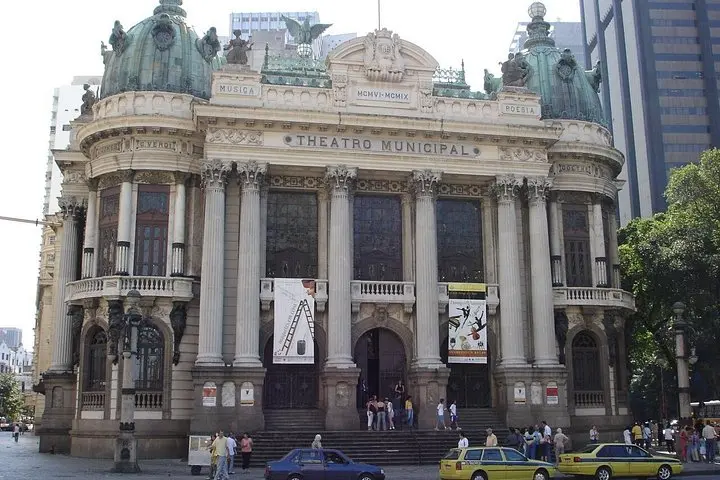
You meet in Cinelândia as the city wakes: trams rattle, morning coffee steams from corner cafés and the avenue hums with pedestrians. The guide leads you into a sequence of plazas and façades — each stone and plaza offering a different chapter of Rio's civic life — while the harbor at Praça Mauá keeps a quiet presence, inviting you toward the water.
Verified experiences and guided adventures in the surrounding area.
Operated by TurisMares · Rio de Janeiro, Rio de Janeiro
You meet in Cinelândia as the city wakes: trams rattle, morning coffee steams from corner cafés and the avenue hums with pedestrians. The guide leads you into a sequence of plazas and façades — each stone and plaza offering a different chapter of Rio's civic life — while the harbor at Praça Mauá keeps a quiet presence, inviting you toward the water.
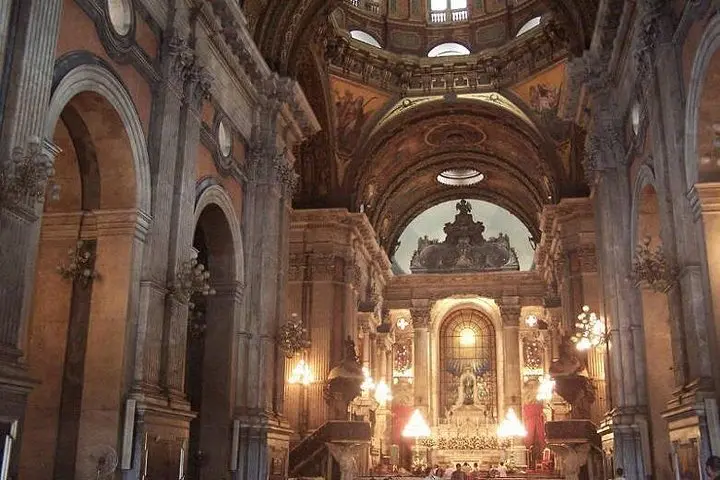
The route threads through layers of history: Portuguese colonial foundations, the 19th-century coffee-era palaces, and the austere monastery cloisters of São Bento. Architectural details range from neoclassical civic buildings to the ornate interiors of the Colombo Confectionery and the carved woodwork at the Portuguese Reading Office. More recent urban projects around Praça Mauá and the port reflect Rio’s push to reconnect the city with its waterfront.
Practical guidance is simple and concrete. The walk covers roughly 5 km over paved streets and city blocks, scheduled for about five hours with unhurried stops at museums, churches, and cafés. Expect moderate walking with frequent pauses; the tour is private and bilingual, so you can tailor the pace.
Timing matters: mornings or late afternoons dodge peak sun and offer better light for photography. Bring comfortable shoes, a filled water bottle, and a small daypack for purchases and layers. Keep belongings secure, use common-sense street awareness, and plan for short detours if a specific site — like the São Bento cloister or CCBB exhibits — captures your interest. The walk is an accessible way to read Rio’s public life through its buildings, markets, and maritime edge.
The route is generally stroller-accessible and some stretches are suitable for wheelchairs, but there are occasional curbs and cobbles — contact the operator about specific accessibility needs.
Guides are bilingual (Portuguese and English) for this private tour; confirm language needs at booking.
The tour includes guided walking and stops; individual museum or special exhibition entry fees are usually not included unless explicitly stated.
Full refunds are available if you cancel at least 24 hours before the scheduled departure; check your booking confirmation for details.
TurisMares operates guided outdoor trips and adventures with an emphasis on safety, stewardship, and memorable experiences.
You meet in Cinelândia as the city wakes: trams rattle, morning coffee steams from corner cafés and the avenue hums with pedestrians. The guide leads you into a sequence of plazas and façades — each stone and plaza offering a different chapter of Rio's civic life — while the harbor at Praça Mauá keeps a quiet presence, inviting you toward the water.
You meet in Cinelândia as the city wakes: trams rattle, morning coffee steams from corner cafés and the avenue hums with pedestrians. The guide leads you into a sequence of plazas and façades — each stone and plaza offering a different chapter of Rio's civic life — while the harbor at Praça Mauá keeps a quiet presence, inviting you toward the water.
The route threads through layers of history: Portuguese colonial foundations, the 19th-century coffee-era palaces, and the austere monastery cloisters of São Bento. Architectural details range from neoclassical civic buildings to the ornate interiors of the Colombo Confectionery and the carved woodwork at the Portuguese Reading Office. More recent urban projects around Praça Mauá and the port reflect Rio’s push to reconnect the city with its waterfront.
Practical guidance is simple and concrete. The walk covers roughly 5 km over paved streets and city blocks, scheduled for about five hours with unhurried stops at museums, churches, and cafés. Expect moderate walking with frequent pauses; the tour is private and bilingual, so you can tailor the pace.
Timing matters: mornings or late afternoons dodge peak sun and offer better light for photography. Bring comfortable shoes, a filled water bottle, and a small daypack for purchases and layers. Keep belongings secure, use common-sense street awareness, and plan for short detours if a specific site — like the São Bento cloister or CCBB exhibits — captures your interest. The walk is an accessible way to read Rio’s public life through its buildings, markets, and maritime edge.