THE ADVENTURE COLLECTIVE® · Independent discovery and booking for outdoor travel

Explore St. Augustine’s culinary layers on a three-hour walking food and wine tour through the Old City. Guides pair historical context with local bites and alcoholic tastings at multiple small establishments.
Explore St. Augustine’s culinary layers on a three-hour walking food and wine tour through the Old City. Guides pair historical context with local bites and alcoholic tastings at multiple small establishments.
A warm late-afternoon breeze off Matanzas Bay carries the smell of citrus and frying seafood as the group assembles across from the Lightner Museum. Guides gesture toward narrow streets where Spanish-period coquina walls meet 19th-century brick and point out the next tasting stop — a buzzy tavern two doors down, a family-run eatery with recipes passed through generations. The walk moves at a human pace: cobbles, short stair cuts and shaded courtyards link every bite to a story.
Verified experiences and guided adventures in the surrounding area.
Operated by Feast of St. Augustine · St. Augustine, Florida
A warm late-afternoon breeze off Matanzas Bay carries the smell of citrus and frying seafood as the group assembles across from the Lightner Museum. Guides gesture toward narrow streets where Spanish-period coquina walls meet 19th-century brick and point out the next tasting stop — a buzzy tavern two doors down, a family-run eatery with recipes passed through generations. The walk moves at a human pace: cobbles, short stair cuts and shaded courtyards link every bite to a story.
St. Augustine is the oldest continuously occupied European-founded settlement in the continental U.S., founded in 1565; that layered history appears in its architecture and in the fusion of Spanish, Minorcan and Southern coastal cuisine. Geologically the city rides a limestone shelf and coquina outcrops, with the nearby salt marshes and Matanzas River influencing the old town’s seafood traditions. Guides weave local lore with practical notes on ingredient origins — citrus groves inland, Gulf shrimp, and Florida oysters — and point out quieter corners like little museums and historic alleys often missed by larger tours.
Practical guidance: the roughly three-hour tour covers 1–1.5 miles of walking with frequent seated tastings, so wear sturdy, broken-in shoes for cobblestones and bring a refillable water bottle. Alcoholic pairings are provided but the operator requires beverage preference and food allergy info at booking. Expect frequent stops, up to 16 guests, and a moderately paced, interpretive experience that balances eating with neighborhood history.
Yes — beer or wine pairings are provided at each food stop; guests must be 21+ for alcoholic servings and should state preferences at booking.
Expect about 1–1.5 miles total over 3 hours with frequent pauses for food and commentary; some cobblestones and short stairs are on the route.
The tour lists wheelchair accessibility but contact the operator ahead to confirm route adjustments and venue access for specific mobility devices.
Full refunds are available if cancelled at least 24 hours before departure; tours may be cancelled for bad weather and reservations are required.
Feast of St. Augustine operates guided outdoor trips and adventures with an emphasis on safety, stewardship, and memorable experiences.
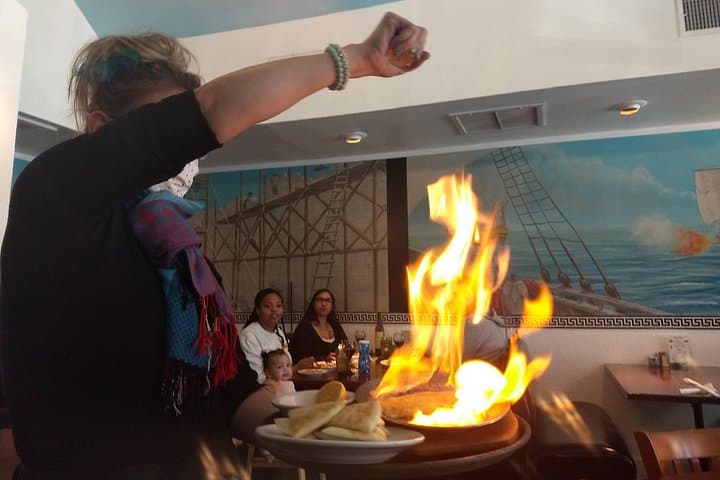

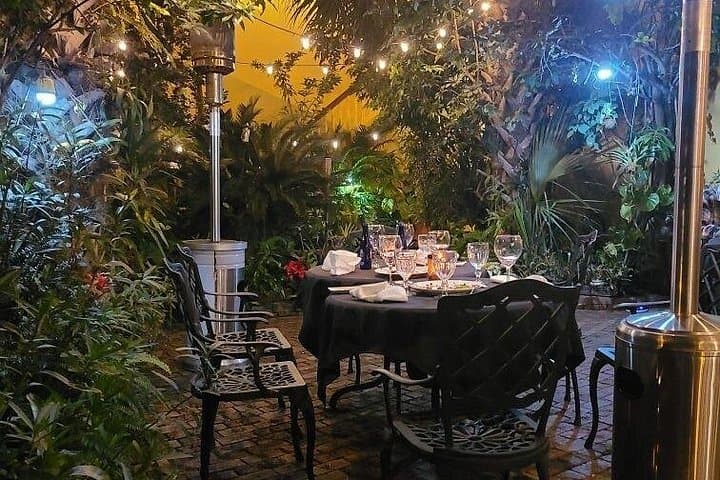
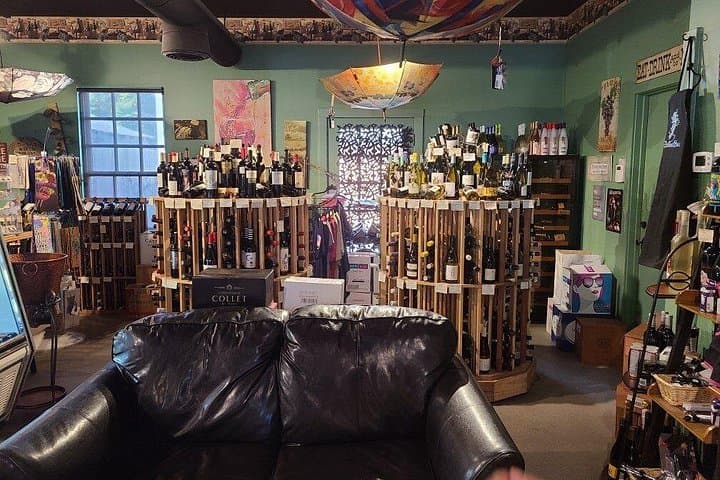
A warm late-afternoon breeze off Matanzas Bay carries the smell of citrus and frying seafood as the group assembles across from the Lightner Museum. Guides gesture toward narrow streets where Spanish-period coquina walls meet 19th-century brick and point out the next tasting stop — a buzzy tavern two doors down, a family-run eatery with recipes passed through generations. The walk moves at a human pace: cobbles, short stair cuts and shaded courtyards link every bite to a story.
A warm late-afternoon breeze off Matanzas Bay carries the smell of citrus and frying seafood as the group assembles across from the Lightner Museum. Guides gesture toward narrow streets where Spanish-period coquina walls meet 19th-century brick and point out the next tasting stop — a buzzy tavern two doors down, a family-run eatery with recipes passed through generations. The walk moves at a human pace: cobbles, short stair cuts and shaded courtyards link every bite to a story.
St. Augustine is the oldest continuously occupied European-founded settlement in the continental U.S., founded in 1565; that layered history appears in its architecture and in the fusion of Spanish, Minorcan and Southern coastal cuisine. Geologically the city rides a limestone shelf and coquina outcrops, with the nearby salt marshes and Matanzas River influencing the old town’s seafood traditions. Guides weave local lore with practical notes on ingredient origins — citrus groves inland, Gulf shrimp, and Florida oysters — and point out quieter corners like little museums and historic alleys often missed by larger tours.
Practical guidance: the roughly three-hour tour covers 1–1.5 miles of walking with frequent seated tastings, so wear sturdy, broken-in shoes for cobblestones and bring a refillable water bottle. Alcoholic pairings are provided but the operator requires beverage preference and food allergy info at booking. Expect frequent stops, up to 16 guests, and a moderately paced, interpretive experience that balances eating with neighborhood history.