THE ADVENTURE COLLECTIVE® · Independent discovery and booking for outdoor travel
Walk 12 historic blocks of Staunton with a local guide who brings Victorian facades, Civil War stories, and Tiffany windows to life. This 90–120 minute tour mixes architectural detail with downtown culture and practical tips for an easy city stroll.
Walk 12 historic blocks of Staunton with a local guide who brings Victorian facades, Civil War stories, and Tiffany windows to life. This 90–120 minute tour mixes architectural detail with downtown culture and practical tips for an easy city stroll.
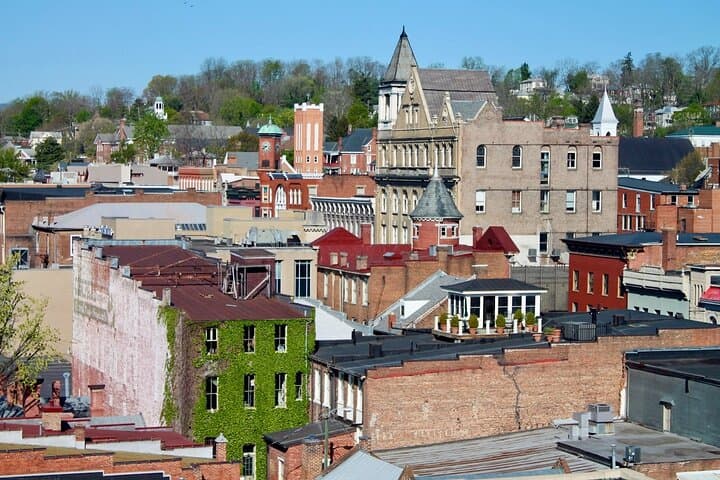
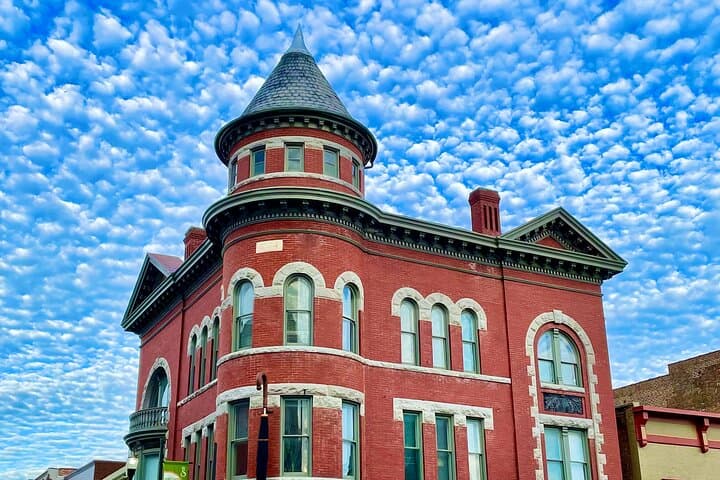
You step off the curb and the street answers — Beverley Street pushes you forward with a row of Victorian facades, wrought-iron details catching the light, and shop windows that seem to hold decades of household life.
Verified experiences and guided adventures in the surrounding area.
Operated by Staunton Guided Tours · Staunton, Virginia
You step off the curb and the street answers — Beverley Street pushes you forward with a row of Victorian facades, wrought-iron details catching the light, and shop windows that seem to hold decades of household life.
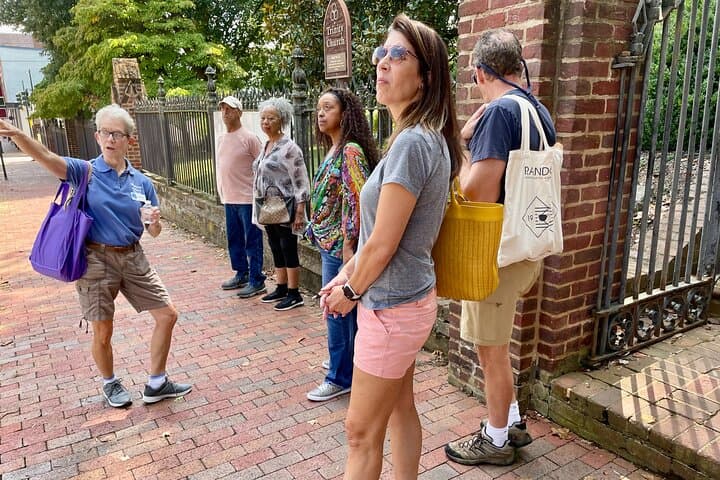
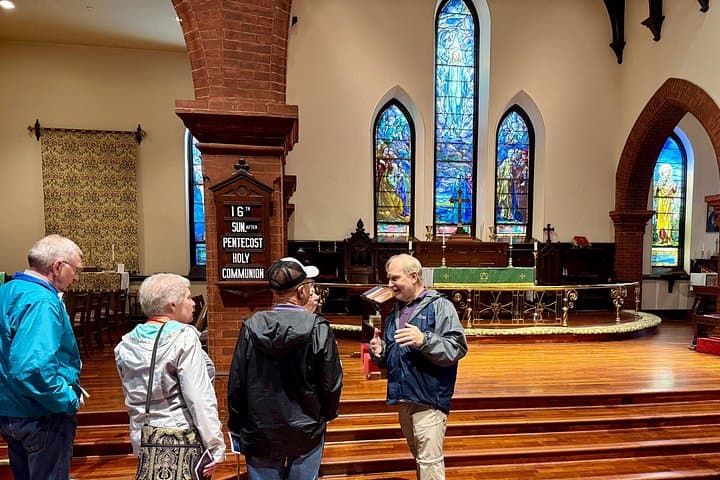
This 90–120 minute, 12-block walking tour threads the Beverley and Newtown districts, tracing Staunton’s 18th- and 19th-century growth from a crossroads town to a preserved downtown. Guides pause at Trinity Episcopal Church to describe its Gothic Revival bones and the dozen Louis Comfort Tiffany windows that chart American stained-glass design. The route includes the R.R. Smith Center for History and Art and the National Valley Bank, each building a marker of commerce and civic pride through the Civil War and the city’s 20th-century revival.
Geology here is quiet: the town sits on the Shenandoah Valley’s limestone plain, with gentle grades rather than strenuous climbs — expect roughly 1–1.5 miles total and minimal elevation change. Culture arrives in the small details: hand-lettered shop signs, the cadence of market vendors at the Saturday Farmers Market, and the rhythm of college life from Mary Baldwin University nearby.
Practical notes: wear comfortable walking shoes, bring a filled water bottle, and plan for rain—tours proceed in light weather but cancel when conditions are unsafe. The tour is family-friendly, wheelchair accessible, and paced for casual walkers, but reserve in advance for weekend slots. Bring a camera and an appetite for historic detail; Staunton’s downtown rewards slow, curious footsteps.
Meeting location is typically on Beverley Street in front of a designated landmark; your booking confirmation lists the exact address and suggested arrival time.
Yes—routes and transportation options are wheelchair accessible, though some historic sidewalks may be uneven; contact the operator with specific mobility needs.
Yes; the pace is family-friendly and strollers are accommodated, but the content may be more engaging for school-age children and up.
Most exterior stops and guided commentary are included; select indoor visits such as Trinity Church interior viewing are included per the itinerary, and will be noted at booking.
Staunton Guided Tours operates guided outdoor trips and adventures with an emphasis on safety, stewardship, and memorable experiences.
You step off the curb and the street answers — Beverley Street pushes you forward with a row of Victorian facades, wrought-iron details catching the light, and shop windows that seem to hold decades of household life.
You step off the curb and the street answers — Beverley Street pushes you forward with a row of Victorian facades, wrought-iron details catching the light, and shop windows that seem to hold decades of household life.
This 90–120 minute, 12-block walking tour threads the Beverley and Newtown districts, tracing Staunton’s 18th- and 19th-century growth from a crossroads town to a preserved downtown. Guides pause at Trinity Episcopal Church to describe its Gothic Revival bones and the dozen Louis Comfort Tiffany windows that chart American stained-glass design. The route includes the R.R. Smith Center for History and Art and the National Valley Bank, each building a marker of commerce and civic pride through the Civil War and the city’s 20th-century revival.
Geology here is quiet: the town sits on the Shenandoah Valley’s limestone plain, with gentle grades rather than strenuous climbs — expect roughly 1–1.5 miles total and minimal elevation change. Culture arrives in the small details: hand-lettered shop signs, the cadence of market vendors at the Saturday Farmers Market, and the rhythm of college life from Mary Baldwin University nearby.
Practical notes: wear comfortable walking shoes, bring a filled water bottle, and plan for rain—tours proceed in light weather but cancel when conditions are unsafe. The tour is family-friendly, wheelchair accessible, and paced for casual walkers, but reserve in advance for weekend slots. Bring a camera and an appetite for historic detail; Staunton’s downtown rewards slow, curious footsteps.
