THE ADVENTURE COLLECTIVE® · Independent discovery and booking for outdoor travel

Walk two hours through Chicago’s landmark architecture from the Wrigley Building to the Chicago Cultural Center. This docent-led tour blends design history, civic ambition and practical tips for navigating interiors and the riverfront.
Walk two hours through Chicago’s landmark architecture from the Wrigley Building to the Chicago Cultural Center. This docent-led tour blends design history, civic ambition and practical tips for navigating interiors and the riverfront.
Step off Wacker Drive into a corridor of stone, steel and glass where the Chicago River dares you to look up.
Verified experiences and guided adventures in the surrounding area.
Operated by Chicago Architecture Center · Chicago, IL
Step off Wacker Drive into a corridor of stone, steel and glass where the Chicago River dares you to look up.
This two-hour guided walk moves along Michigan Avenue and State Street, passing landmark façades from the city’s boom between 1890 and 1930. Docents narrate how the World's Columbian Exposition of 1893 refocused Chicago’s civic ambition, and how architects like Daniel Burnham and Louis Sullivan reshaped a riverfront city built on a flat glacial plain and the western edge of Lake Michigan.
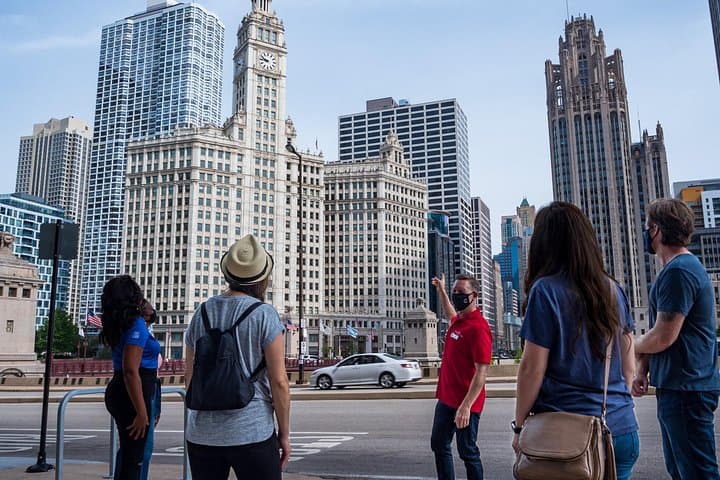
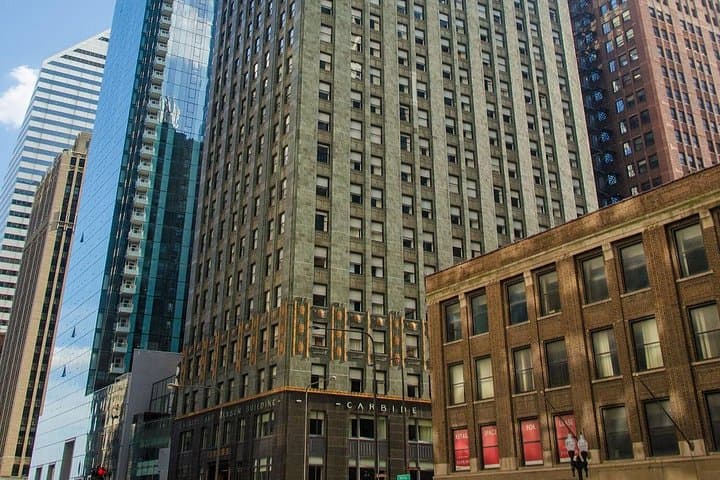
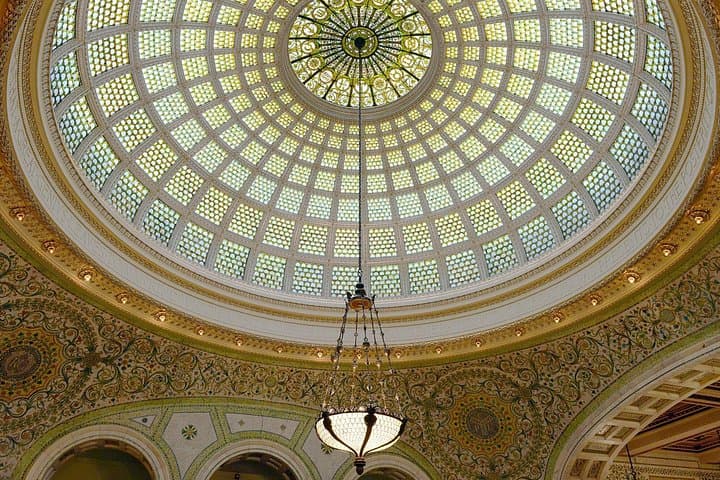
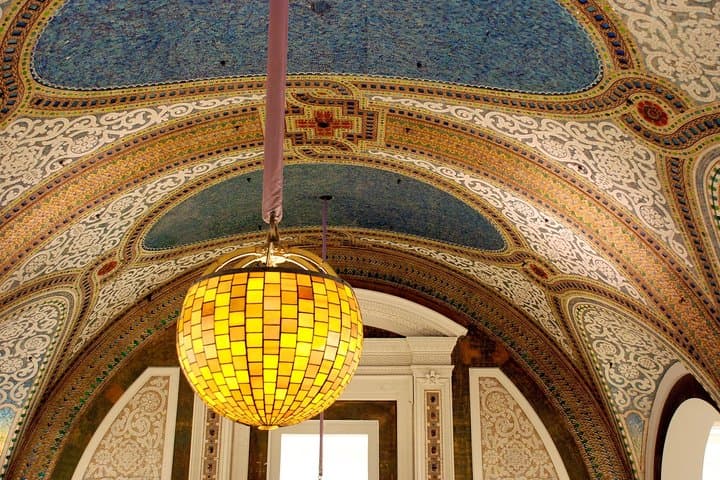
Expect close-up views of the Wrigley Building’s white terra cotta, the Carbide and Carbon Building’s dark green and gold accents, and the Reliance Building’s early steel-frame glazing. Interiors include the Palmer House and the Chicago Cultural Center when open—spaces that reveal ornate lobbies, vaulted ceilings and civic ambition made visible.
The walk is urban but sensory: the river pushes a cool breeze, traffic hums like a steady drumbeat, and peregrine falcons sometimes ride wind drafts off skyscrapers. The Chicago Architecture Center anchors the start and offers exhibits that expand the tour’s context; preservation efforts here pair with river restoration projects downstream.
Practicalities: arrive 15 minutes early at 111 E Wacker Drive. The route is largely flat with paved sidewalks and occasional steps—suitable for most fitness levels and wheelchair accessible on select segments. Wear supportive walking shoes, bring a transit card or mobile pay for nearby stops, and check interior access policies (some buildings require ID or proof of vaccination). Peak daylight hours and weekday mornings avoid crowds and make photography easier. The docent-led format blends history, design and city life into a compact primer on why Chicago’s skyline still commands attention.
Meet at the Chicago Architecture Center, 111 E Wacker Drive; arrive 15 minutes early to present your ticket.
Much of the route uses flat sidewalks and is accessible, and select interiors accommodate wheelchairs—notify the operator ahead for specifics.
Yes, some interiors like the Palmer House and Chicago Cultural Center are visited when open; interior access can change due to events or policies.
Full refunds are available if you cancel at least 24 hours before the scheduled departure; check your booking confirmation for details.
Chicago Architecture Center operates guided outdoor trips and adventures with an emphasis on safety, stewardship, and memorable experiences.
Step off Wacker Drive into a corridor of stone, steel and glass where the Chicago River dares you to look up.
Step off Wacker Drive into a corridor of stone, steel and glass where the Chicago River dares you to look up.
This two-hour guided walk moves along Michigan Avenue and State Street, passing landmark façades from the city’s boom between 1890 and 1930. Docents narrate how the World's Columbian Exposition of 1893 refocused Chicago’s civic ambition, and how architects like Daniel Burnham and Louis Sullivan reshaped a riverfront city built on a flat glacial plain and the western edge of Lake Michigan.
Expect close-up views of the Wrigley Building’s white terra cotta, the Carbide and Carbon Building’s dark green and gold accents, and the Reliance Building’s early steel-frame glazing. Interiors include the Palmer House and the Chicago Cultural Center when open—spaces that reveal ornate lobbies, vaulted ceilings and civic ambition made visible.
The walk is urban but sensory: the river pushes a cool breeze, traffic hums like a steady drumbeat, and peregrine falcons sometimes ride wind drafts off skyscrapers. The Chicago Architecture Center anchors the start and offers exhibits that expand the tour’s context; preservation efforts here pair with river restoration projects downstream.
Practicalities: arrive 15 minutes early at 111 E Wacker Drive. The route is largely flat with paved sidewalks and occasional steps—suitable for most fitness levels and wheelchair accessible on select segments. Wear supportive walking shoes, bring a transit card or mobile pay for nearby stops, and check interior access policies (some buildings require ID or proof of vaccination). Peak daylight hours and weekday mornings avoid crowds and make photography easier. The docent-led format blends history, design and city life into a compact primer on why Chicago’s skyline still commands attention.