THE ADVENTURE COLLECTIVE® · Independent discovery and booking for outdoor travel

Glide along Amsterdam’s UNESCO-listed canal ring aboard a restored tugboat and see the city’s history unfold from the water. In 75 minutes you’ll pass iconic bridges, merchant mansions, and intimate houseboat neighborhoods—perfect for a first-time orientation or a relaxed afternoon.
Glide along Amsterdam’s UNESCO-listed canal ring aboard a restored tugboat and see the city’s history unfold from the water. In 75 minutes you’ll pass iconic bridges, merchant mansions, and intimate houseboat neighborhoods—perfect for a first-time orientation or a relaxed afternoon.
A low, warm rumble from the restored tugboat sets the pace as you slide away from the quay and into Amsterdam’s canal ring. Buildings lean and grin from the water’s edge; bicycles cluster on bridges like punctuation marks. For 75 minutes the city reorients around the canals—water tracing the original city plan while rooftops and gables keep watch.
Verified experiences and guided adventures in the surrounding area.
Operated by Mokumboot · Amsterdam, North Holland
A low, warm rumble from the restored tugboat sets the pace as you slide away from the quay and into Amsterdam’s canal ring. Buildings lean and grin from the water’s edge; bicycles cluster on bridges like punctuation marks. For 75 minutes the city reorients around the canals—water tracing the original city plan while rooftops and gables keep watch.
The canals are largely 17th‑century engineering: concentric belts cut into reclaimed land during the Dutch Golden Age to control water and trade. Stoneware warehouses, merchant mansions on the Herengracht, and ornate church towers tell a pragmatic story of commerce and civic pride rather than romance. Geology is flat clay and peat—hence the wooden piles under the houses that give many façades their tilt.
Culturally, the route is an open-air museum; guides often layer in local humor and anecdotes about merchants, guilds, and Amsterdam’s tolerant streak. Expect to pass major highlights—Central Station, Westerkerk, the Golden Bend—while also seeing houseboats, lock gates, and modern dockland conversions.
Practically, the cruise is accessible and low‑effort: seating is available, refreshments provided, and cameras work overtime. Pick a morning or early evening slot for softer light and fewer tour-boat crossings. Bring a windproof layer—the open decks catch a sharp crosswind—and keep personal items secure on low docks. If you want photos without crowds, choose the forward starboard side when boarding.
The experience is part architecture tour, part slow-motion city orientation: an efficient, enjoyable way to learn Amsterdam’s layout and the engineering logic that made this watery city possible.
Most departures launch from quays near Amsterdam Centraal or central piers; check your booking confirmation for the exact meeting point.
Many canal boats offer step-free access or assistance, but accessibility varies—contact the operator in advance to confirm facilities.
Smaller historic tugboats may not have full onboard restrooms; check the operator’s details and plan accordingly before boarding.
Policies differ by operator; some provide snacks and drinks, while others allow small personal items—confirm ahead of time if you plan to bring outside refreshments.
Mokumboot operates guided outdoor trips and adventures with an emphasis on safety, stewardship, and memorable experiences.
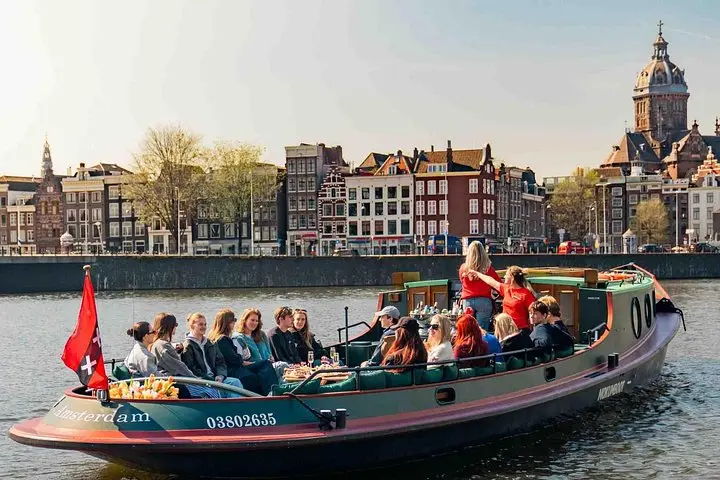
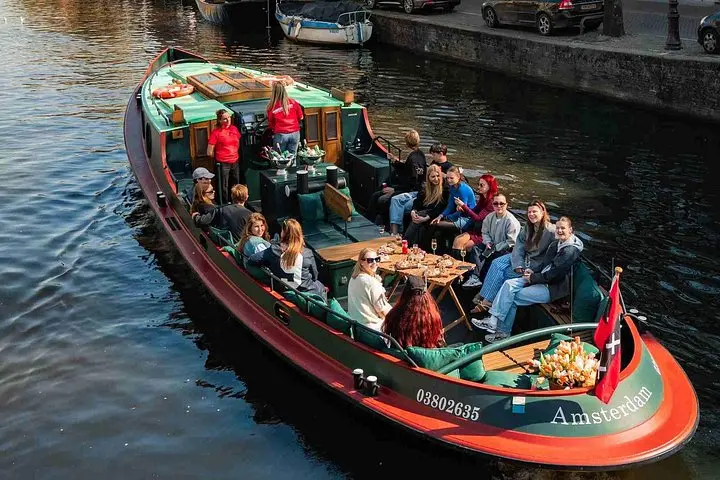
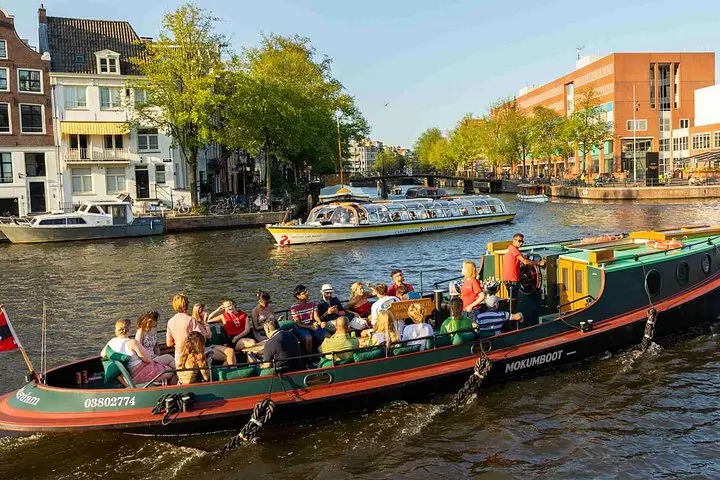
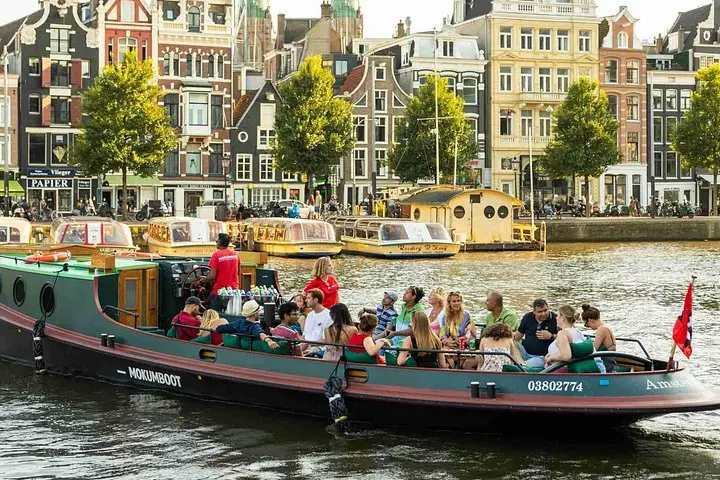
A low, warm rumble from the restored tugboat sets the pace as you slide away from the quay and into Amsterdam’s canal ring. Buildings lean and grin from the water’s edge; bicycles cluster on bridges like punctuation marks. For 75 minutes the city reorients around the canals—water tracing the original city plan while rooftops and gables keep watch.
A low, warm rumble from the restored tugboat sets the pace as you slide away from the quay and into Amsterdam’s canal ring. Buildings lean and grin from the water’s edge; bicycles cluster on bridges like punctuation marks. For 75 minutes the city reorients around the canals—water tracing the original city plan while rooftops and gables keep watch.
The canals are largely 17th‑century engineering: concentric belts cut into reclaimed land during the Dutch Golden Age to control water and trade. Stoneware warehouses, merchant mansions on the Herengracht, and ornate church towers tell a pragmatic story of commerce and civic pride rather than romance. Geology is flat clay and peat—hence the wooden piles under the houses that give many façades their tilt.
Culturally, the route is an open-air museum; guides often layer in local humor and anecdotes about merchants, guilds, and Amsterdam’s tolerant streak. Expect to pass major highlights—Central Station, Westerkerk, the Golden Bend—while also seeing houseboats, lock gates, and modern dockland conversions.
Practically, the cruise is accessible and low‑effort: seating is available, refreshments provided, and cameras work overtime. Pick a morning or early evening slot for softer light and fewer tour-boat crossings. Bring a windproof layer—the open decks catch a sharp crosswind—and keep personal items secure on low docks. If you want photos without crowds, choose the forward starboard side when boarding.
The experience is part architecture tour, part slow-motion city orientation: an efficient, enjoyable way to learn Amsterdam’s layout and the engineering logic that made this watery city possible.