THE ADVENTURE COLLECTIVE® · Independent discovery and booking for outdoor travel

Explore 16 acres of restored buildings, interactive exhibits and a nature trail at Historic Village Herberton. This self-guided pioneer township offers hands-on displays, accessible paths and enough history to fill a half- or full-day visit.
Explore 16 acres of restored buildings, interactive exhibits and a nature trail at Historic Village Herberton. This self-guided pioneer township offers hands-on displays, accessible paths and enough history to fill a half- or full-day visit.
You step through a weathered gate and the air changes — corrugated iron roofs glint, the scent of timber and oil hangs around restored engines, and a bell from the old school calls the past forward.
Verified experiences and guided adventures in the surrounding area.
Operated by Historic Village Herberton · Herberton, Queensland
You step through a weathered gate and the air changes — corrugated iron roofs glint, the scent of timber and oil hangs around restored engines, and a bell from the old school calls the past forward.
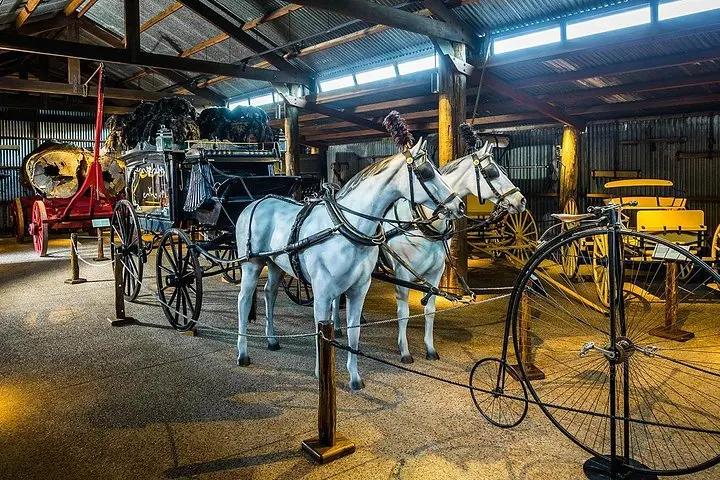
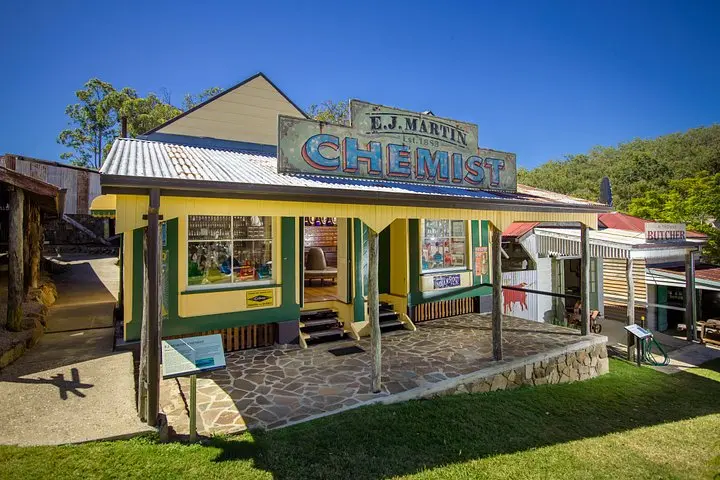
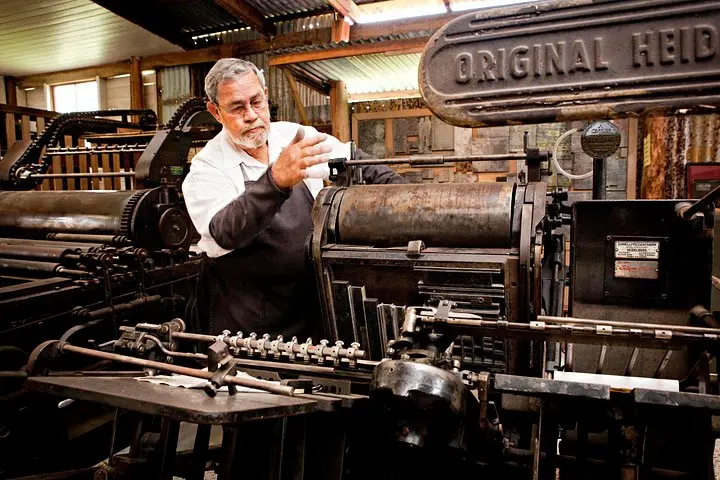
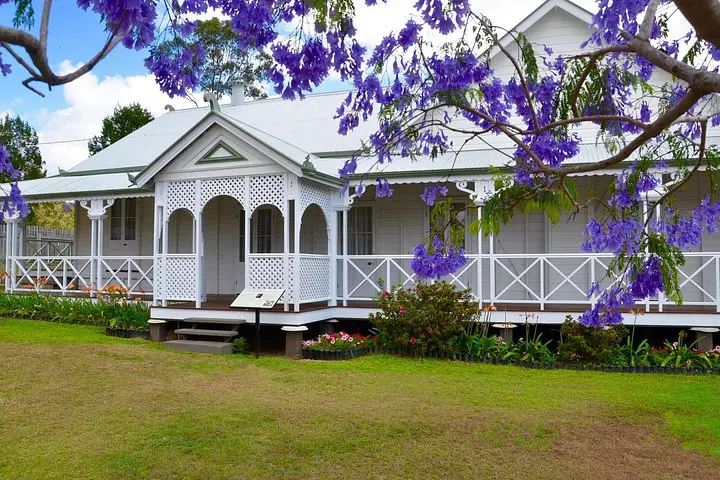
Historic Village Herberton sprawls across 16 acres on the Atherton Tablelands, where more than 60 original buildings from Herberton’s founding years recreate a functioning pioneer township. Walking lanes move you past an apothecary, bank, mechanic’s shop and a toy store; interactive working displays and century-old tractors give texture to the region’s tin‑mining and agricultural roots. The site captures both local social history and the practical architecture carried across Queensland in the late 19th and early 20th centuries.
Geology here is quiet but present: the volcanic soils and rolling hills that feed the Tablelands shaped settlement patterns and local industry. Culture lives in the objects—medical bottles, ledger books, frock styles—and in the oral histories sometimes shared by volunteers. A nature trail winds the perimeter, inviting birdwatching and the odd wallaby sighting; the landscape itself seems to nudge visitors toward slower observation.
Practical guidance: allow at least three hours, or spend a full day if you want to absorb every building and display. Paths are compacted and wheelchair accessible, but wear supportive shoes for uneven thresholds and outdoor surfaces. Summer brings warm, wet afternoons—plan early starts—and winter mornings are cool and still. Bring water, sun protection, and a camera; follow signage and refrain from handling fragile artifacts. Entry is self-guided with multilingual materials and complimentary Wi‑Fi, making it easy to plan your visit and extend into nearby Atherton or other Tablelands sights.
Most visitors spend a minimum of three hours; those who explore every building and take the nature trail should allow a full day.
Yes — paths and surfaces are wheelchair accessible and many buildings accommodate mobility aids, though some thresholds may be present.
The entry is primarily self-guided with interpretive signage and multilingual materials; occasional guided or special-event tours may be offered by staff or volunteers.
Photography and phone use are allowed; complimentary Wi‑Fi is provided. Please avoid flash or touching fragile artifacts and follow any display-specific restrictions.
Historic Village Herberton operates guided outdoor trips and adventures with an emphasis on safety, stewardship, and memorable experiences.
You step through a weathered gate and the air changes — corrugated iron roofs glint, the scent of timber and oil hangs around restored engines, and a bell from the old school calls the past forward.
You step through a weathered gate and the air changes — corrugated iron roofs glint, the scent of timber and oil hangs around restored engines, and a bell from the old school calls the past forward.
Historic Village Herberton sprawls across 16 acres on the Atherton Tablelands, where more than 60 original buildings from Herberton’s founding years recreate a functioning pioneer township. Walking lanes move you past an apothecary, bank, mechanic’s shop and a toy store; interactive working displays and century-old tractors give texture to the region’s tin‑mining and agricultural roots. The site captures both local social history and the practical architecture carried across Queensland in the late 19th and early 20th centuries.
Geology here is quiet but present: the volcanic soils and rolling hills that feed the Tablelands shaped settlement patterns and local industry. Culture lives in the objects—medical bottles, ledger books, frock styles—and in the oral histories sometimes shared by volunteers. A nature trail winds the perimeter, inviting birdwatching and the odd wallaby sighting; the landscape itself seems to nudge visitors toward slower observation.
Practical guidance: allow at least three hours, or spend a full day if you want to absorb every building and display. Paths are compacted and wheelchair accessible, but wear supportive shoes for uneven thresholds and outdoor surfaces. Summer brings warm, wet afternoons—plan early starts—and winter mornings are cool and still. Bring water, sun protection, and a camera; follow signage and refrain from handling fragile artifacts. Entry is self-guided with multilingual materials and complimentary Wi‑Fi, making it easy to plan your visit and extend into nearby Atherton or other Tablelands sights.