THE ADVENTURE COLLECTIVE® · Independent discovery and booking for outdoor travel

Trace Algarve history from the Moorish castle in Silves to the windswept cliffs of Sagres on a full-day guided tour. Expect short guided stops, panoramic viewpoints, and free time in Lagos for museums and markets.
Trace Algarve history from the Moorish castle in Silves to the windswept cliffs of Sagres on a full-day guided tour. Expect short guided stops, panoramic viewpoints, and free time in Lagos for museums and markets.
You step off the air-conditioned coach into a sunbright square in Silves; stone walls still hold the day’s heat and gulls wheel over the old Moorish keep. The route reads like a compact map of Algarve history—craggy coastal headlands, a hilltop Moorish citadel, and the weathered lighthouse that once marked the edge of medieval maps.
Verified experiences and guided adventures in the surrounding area.
Operated by My-TicketShop · Albufeira, Algarve
You step off the air-conditioned coach into a sunbright square in Silves; stone walls still hold the day’s heat and gulls wheel over the old Moorish keep. The route reads like a compact map of Algarve history—craggy coastal headlands, a hilltop Moorish citadel, and the weathered lighthouse that once marked the edge of medieval maps.
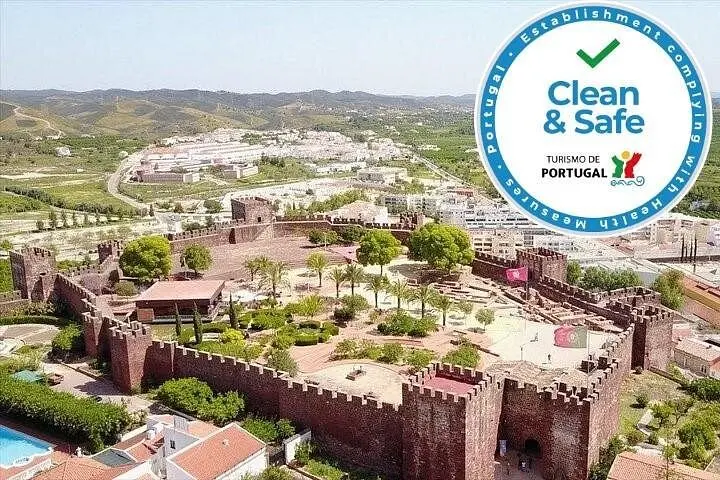
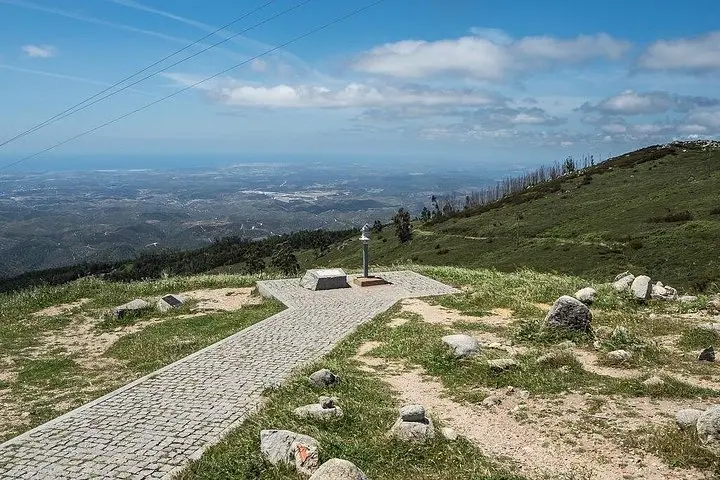
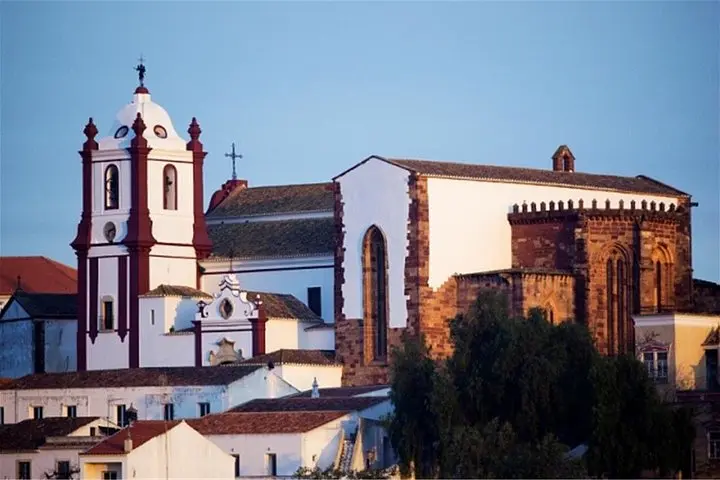
Silves was once the regional capital under Islamic rule; its red sandstone castle and Gothic cathedral speak to changing eras. Foia, Monchique’s summit, opens the interior—granite outcrops and eucalyptus-scented slopes—contrasting the limestone cliffs and sea-carved caves at Sagres and Cape Saint Vincent, where sailors once charted the Atlantic.
Culture here is pragmatic: small towns with weekly markets, cafés serving bitter almond pastries, and fishermen mending nets under glaring sun. Geology shapes every viewpoint—folded schist inland, calcarenite cliffs on the coast—so expect sudden panoramas and a handful of steep stairways at viewpoints and forts.
Practical side: this is a full 10–11 hour guided day trip with multiple short visits and free time to explore monuments and markets. Walks at sites are short but often uneven—good footwear and sun protection matter. Bring water, light layers for coastal winds, and a compact camera for cliffside vistas.
Time your visit early in the season or late afternoon light for cooler temperatures and softer photos. Respect cliff edges, follow your guide, and allow extra time in Lagos if you want to visit the fort or the Discoveries Museum—both reward the curious with tangible links to Portugal’s maritime past.
Pickup is arranged from central hotels or nearby meeting points in the Algarve—details are provided after booking; confirm your pickup location in advance.
The coach and many pick-up/drop-off options are wheelchair accessible, but historic sites include uneven surfaces and steps that may limit access to certain areas.
Admissions are typically not included—there’s free time to visit museums or enter monuments at your own cost, so bring some cash or card.
The tour runs in light rain but may be canceled for severe weather; the operator’s cancellation policy allows refunds at least 24 hours prior in many cases.
My-TicketShop operates guided outdoor trips and adventures with an emphasis on safety, stewardship, and memorable experiences.
You step off the air-conditioned coach into a sunbright square in Silves; stone walls still hold the day’s heat and gulls wheel over the old Moorish keep. The route reads like a compact map of Algarve history—craggy coastal headlands, a hilltop Moorish citadel, and the weathered lighthouse that once marked the edge of medieval maps.
You step off the air-conditioned coach into a sunbright square in Silves; stone walls still hold the day’s heat and gulls wheel over the old Moorish keep. The route reads like a compact map of Algarve history—craggy coastal headlands, a hilltop Moorish citadel, and the weathered lighthouse that once marked the edge of medieval maps.
Silves was once the regional capital under Islamic rule; its red sandstone castle and Gothic cathedral speak to changing eras. Foia, Monchique’s summit, opens the interior—granite outcrops and eucalyptus-scented slopes—contrasting the limestone cliffs and sea-carved caves at Sagres and Cape Saint Vincent, where sailors once charted the Atlantic.
Culture here is pragmatic: small towns with weekly markets, cafés serving bitter almond pastries, and fishermen mending nets under glaring sun. Geology shapes every viewpoint—folded schist inland, calcarenite cliffs on the coast—so expect sudden panoramas and a handful of steep stairways at viewpoints and forts.
Practical side: this is a full 10–11 hour guided day trip with multiple short visits and free time to explore monuments and markets. Walks at sites are short but often uneven—good footwear and sun protection matter. Bring water, light layers for coastal winds, and a compact camera for cliffside vistas.
Time your visit early in the season or late afternoon light for cooler temperatures and softer photos. Respect cliff edges, follow your guide, and allow extra time in Lagos if you want to visit the fort or the Discoveries Museum—both reward the curious with tangible links to Portugal’s maritime past.