THE ADVENTURE COLLECTIVE® · Independent discovery and booking for outdoor travel

Walk the civic spine of Rio de Janeiro on a focused three-hour route through Praça Mauá, Aterro do Flamengo, and Lapa. This guided tour pairs compact urban geology and republican history with practical tips for navigating tiles, steps, and waterfront light.
Walk the civic spine of Rio de Janeiro on a focused three-hour route through Praça Mauá, Aterro do Flamengo, and Lapa. This guided tour pairs compact urban geology and republican history with practical tips for navigating tiles, steps, and waterfront light.
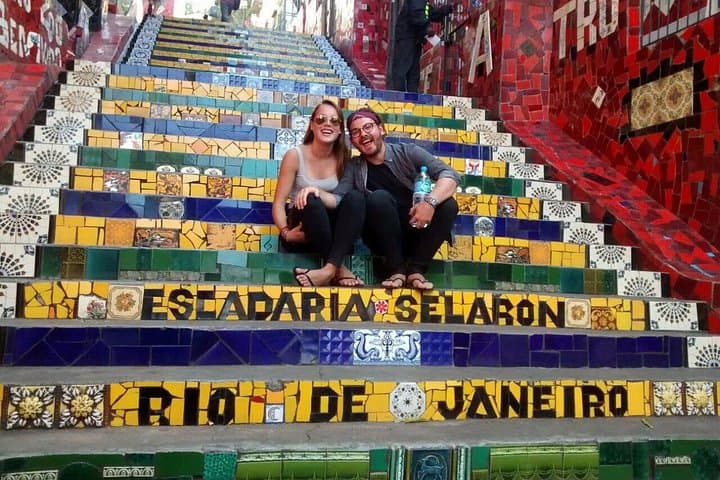
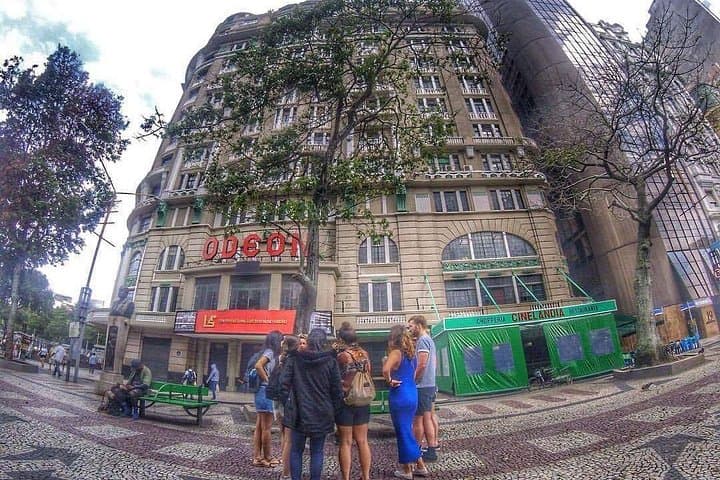
You step off the pavement and into a city that still argues with its past: broad avenues open to Guanabara Bay, the bay daring you to look past commerce and into memory. This three-hour walking tour threads Praça Mauá, the Aterro do Flamengo waterfront, the WWII monument, and the tiled stairway of Escadaria Selarón, moving between green space and political architecture with short, deliberate stops.
Verified experiences and guided adventures in the surrounding area.
Operated by Rio by Foot - Tours · Rio de Janeiro, Rio de Janeiro
You step off the pavement and into a city that still argues with its past: broad avenues open to Guanabara Bay, the bay daring you to look past commerce and into memory. This three-hour walking tour threads Praça Mauá, the Aterro do Flamengo waterfront, the WWII monument, and the tiled stairway of Escadaria Selarón, moving between green space and political architecture with short, deliberate stops.
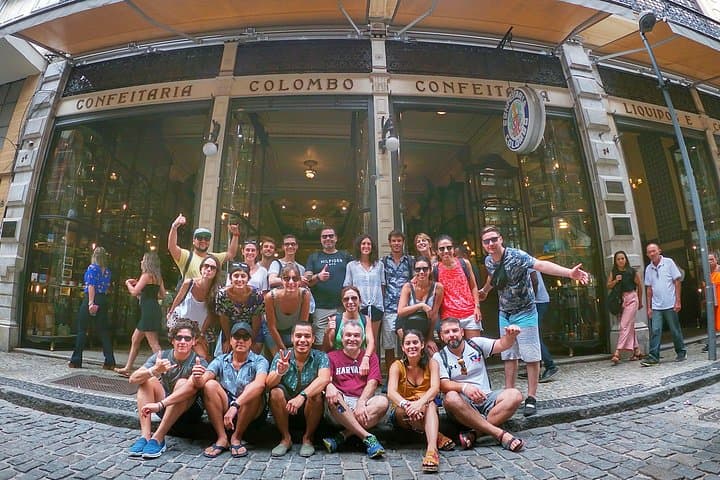
Rio de Janeiro was Brazil’s capital through the 19th and early 20th centuries; the walk highlights how the republican era shaped public squares, monuments, and military institutions. Geology is subtle here—granite headlands across the bay and the reclaimed landfill of Aterro do Flamengo give the waterfront its flat, open promenade. Cultural life surfaces in cafés, colonial storefronts, and the samba and carnival roots you hear in Lapa’s evening beat.
Expect paved sidewalks, some cobblestone steps at Selarón, and minimal elevation gain—roughly 3–4 km covered over three hours at an interpretive pace. Guides usually contextualize Getúlio Vargas, the military period, and urban reforms while pointing out architectural details and lesser-known local stories.
Practical notes: wear sturdy walking shoes for uneven tiles, carry water and sunscreen for exposed stretches along the bay, and plan to arrive by metro or tram to avoid traffic delays. The route is accessible with assistance in several places, but some stairs remain. Afternoon light favors photography; mornings are cooler and less crowded. This is a history-rich urban walk that reads the city as a living archive.
The tour lasts about three hours and typically covers roughly 3–4 km at a relaxed, interpretive pace.
Many sections and transport options are accessible, but there are stairs (notably Escadaria Selarón) that may limit full independence—check with the operator for specific accommodations.
Most stops are exterior and free to view; if an included indoor visit is specified, the operator will note admission—this itinerary lists mainly outdoor sites.
Tours may be offered by multi-lingual guides; confirm language availability at booking if you need a particular language.
Rio by Foot - Tours operates guided outdoor trips and adventures with an emphasis on safety, stewardship, and memorable experiences.

You step off the pavement and into a city that still argues with its past: broad avenues open to Guanabara Bay, the bay daring you to look past commerce and into memory. This three-hour walking tour threads Praça Mauá, the Aterro do Flamengo waterfront, the WWII monument, and the tiled stairway of Escadaria Selarón, moving between green space and political architecture with short, deliberate stops.
You step off the pavement and into a city that still argues with its past: broad avenues open to Guanabara Bay, the bay daring you to look past commerce and into memory. This three-hour walking tour threads Praça Mauá, the Aterro do Flamengo waterfront, the WWII monument, and the tiled stairway of Escadaria Selarón, moving between green space and political architecture with short, deliberate stops.
Rio de Janeiro was Brazil’s capital through the 19th and early 20th centuries; the walk highlights how the republican era shaped public squares, monuments, and military institutions. Geology is subtle here—granite headlands across the bay and the reclaimed landfill of Aterro do Flamengo give the waterfront its flat, open promenade. Cultural life surfaces in cafés, colonial storefronts, and the samba and carnival roots you hear in Lapa’s evening beat.
Expect paved sidewalks, some cobblestone steps at Selarón, and minimal elevation gain—roughly 3–4 km covered over three hours at an interpretive pace. Guides usually contextualize Getúlio Vargas, the military period, and urban reforms while pointing out architectural details and lesser-known local stories.
Practical notes: wear sturdy walking shoes for uneven tiles, carry water and sunscreen for exposed stretches along the bay, and plan to arrive by metro or tram to avoid traffic delays. The route is accessible with assistance in several places, but some stairs remain. Afternoon light favors photography; mornings are cooler and less crowded. This is a history-rich urban walk that reads the city as a living archive.