THE ADVENTURE COLLECTIVE® · Independent discovery and booking for outdoor travel

A half-day cultural trek from Hitachi into sacred woodlands, combining shrine rites, a moderate 6.5 km hike with 439 m ascent, and a village tea gathering. Learn local traditions while summiting ridgelines that open to coastal views.
A half-day cultural trek from Hitachi into sacred woodlands, combining shrine rites, a moderate 6.5 km hike with 439 m ascent, and a village tea gathering. Learn local traditions while summiting ridgelines that open to coastal views.
Morning at JR Hitachi Station begins with the sea still in sight and a calm that feels borrowed from the mountains beyond.
Verified experiences and guided adventures in the surrounding area.
Operated by MITATE Ltd. · Hitachi, Ibaraki Prefecture
Morning at JR Hitachi Station begins with the sea still in sight and a calm that feels borrowed from the mountains beyond.
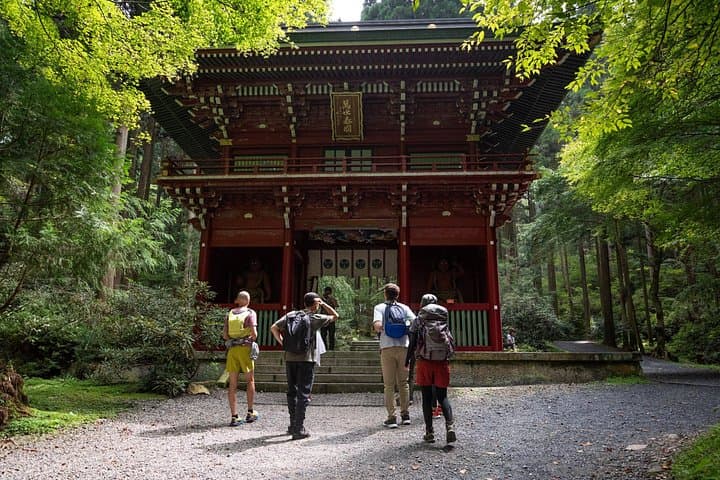
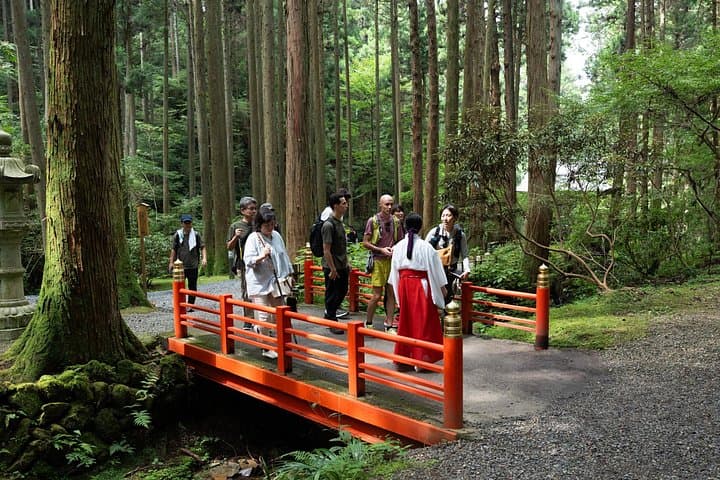
Participants are driven inland where the road starts to climb and the remains of old copper workings appear like weathered markers of a different economy. The tour opens at Oiwa Shrine: a shrine maiden welcomes the group into a quiet hall, and a short blessing frames the day in ritual and intent.
From the shrine the trail tightens into steep, forested switchbacks. The route gains 439 meters over about 6.5 km of walking; roots and packed soil give way to mossy stone monuments that indicate places where local deities are honored. At Mt Miwa and neighboring Mt Takasuzu the canopy pulls back and a sweeping view rewards the effort — farmland, coastal plain, and the distant curve of the Pacific.
Culturally, this area mixes Shinto practice with a rural lifestyle shaped by mining and rice cultivation; the post-hike tea in a gateway village is as much a social exchange as it is refreshment. Geologically the hills are folded sediment and volcanic deposits, which produce the well-drained soils that support the mixed beech and oak forests.
Practical guidance: expect about 3.5 hours of walking within a 6–8 hour outing; pack a lightweight rain shell, 1–2 L of water, sturdy shoes, and cash for small purchases. The itinerary is flexible but trekking is cancelled if more than 2 mm of rain is forecast. Respect shrine etiquette—remove hats, speak softly—and allow time to enjoy the village tea exchange before returning to Hitachi Station.
The meeting point is JR Hitachi Station on the JR Joban Line; look for the guide near the main exit with trip signage.
If forecast precipitation exceeds 2 mm the trekking portion will be cancelled for safety; the operator will notify guests in advance.
Fit beginners who can manage steady uphill walks and uneven footing can participate; the guide adjusts pace to the group.
A local onigiri (rice ball) lunch is included, plus tea during the village visit; dietary requests should be noted at booking.
MITATE Ltd. operates guided outdoor trips and adventures with an emphasis on safety, stewardship, and memorable experiences.


Morning at JR Hitachi Station begins with the sea still in sight and a calm that feels borrowed from the mountains beyond.
Morning at JR Hitachi Station begins with the sea still in sight and a calm that feels borrowed from the mountains beyond.
Participants are driven inland where the road starts to climb and the remains of old copper workings appear like weathered markers of a different economy. The tour opens at Oiwa Shrine: a shrine maiden welcomes the group into a quiet hall, and a short blessing frames the day in ritual and intent.
From the shrine the trail tightens into steep, forested switchbacks. The route gains 439 meters over about 6.5 km of walking; roots and packed soil give way to mossy stone monuments that indicate places where local deities are honored. At Mt Miwa and neighboring Mt Takasuzu the canopy pulls back and a sweeping view rewards the effort — farmland, coastal plain, and the distant curve of the Pacific.
Culturally, this area mixes Shinto practice with a rural lifestyle shaped by mining and rice cultivation; the post-hike tea in a gateway village is as much a social exchange as it is refreshment. Geologically the hills are folded sediment and volcanic deposits, which produce the well-drained soils that support the mixed beech and oak forests.
Practical guidance: expect about 3.5 hours of walking within a 6–8 hour outing; pack a lightweight rain shell, 1–2 L of water, sturdy shoes, and cash for small purchases. The itinerary is flexible but trekking is cancelled if more than 2 mm of rain is forecast. Respect shrine etiquette—remove hats, speak softly—and allow time to enjoy the village tea exchange before returning to Hitachi Station.