THE ADVENTURE COLLECTIVE® · Independent discovery and booking for outdoor travel

Travel north from Durban for a full‑day game drive through Hluhluwe‑iMfolozi, Africa’s oldest reserve. Expect rolling savannahs, expert guides, and a strong chance to see the Big Five while learning about the park’s rhino conservation legacy.
Travel north from Durban for a full‑day game drive through Hluhluwe‑iMfolozi, Africa’s oldest reserve. Expect rolling savannahs, expert guides, and a strong chance to see the Big Five while learning about the park’s rhino conservation legacy.
The engine hums at 6 a.m. as a minivan slides north out of Durban; dawn pulls the coastal lowveld into pale light and the horizon already promises wide, sunlit savannahs. By midmorning the vehicle rolls onto gravel tracks that thread through Hluhluwe‑iMfolozi’s rolling hills and open plains, and the reserve — Africa’s oldest — begins to shape the day: acacia shadows, scrubby ridgelines, and plains that dare predators and prey into view.
Verified experiences and guided adventures in the surrounding area.
Operated by African Cape Safaris · Hluhluwe, KwaZulu-Natal
The engine hums at 6 a.m. as a minivan slides north out of Durban; dawn pulls the coastal lowveld into pale light and the horizon already promises wide, sunlit savannahs. By midmorning the vehicle rolls onto gravel tracks that thread through Hluhluwe‑iMfolozi’s rolling hills and open plains, and the reserve — Africa’s oldest — begins to shape the day: acacia shadows, scrubby ridgelines, and plains that dare predators and prey into view.
Hluhluwe‑iMfolozi is as much a conservation story as a wildlife spectacle. Established in the late 19th century, the park played a pivotal role in rescuing the northern white rhino and remains central to rhino protection and anti‑poaching efforts. Geologically the reserve sits on Natal coastal plain transitions — gentle hills giving way to flat savannah — which helps concentrate water and wildlife in predictable viewing corridors.
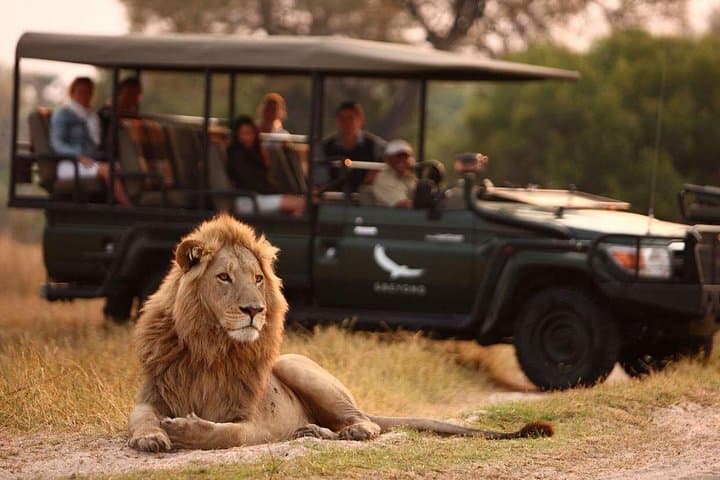
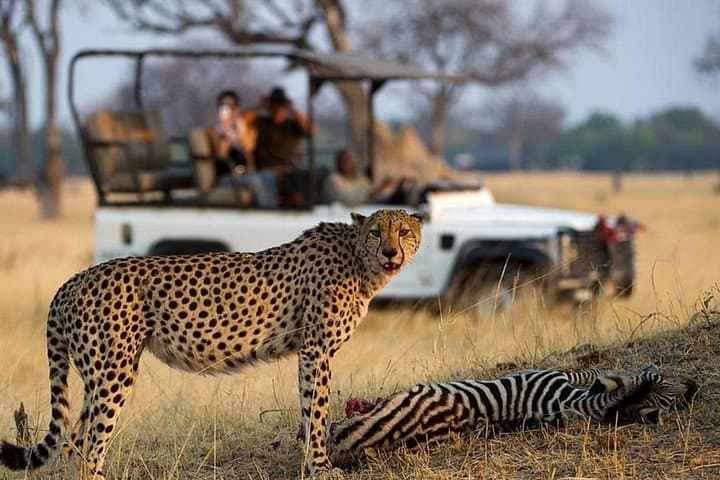
On a guided game drive, expect methodical scanning from a raised vehicle, punctuated by stops when rangers confirm a sighting: elephant herds moving between shade and water, cautious buffalo, lounging lions and the solitary grace of leopard and rhino. Rangers narrate behavior, territory, and the human history of the land, adding context to each encounter.
Practical note: the full day includes long drives from Durban and bumpy tracks inside the park; bring sun protection, a telephoto or good zoom lens, cash for park fees or tips, and patience — wildlife is not on a schedule. Early starts and late afternoons offer the most activity; midday is quieter. Respect ranger instructions, keep windows partially closed near dangerous animals, and carry water — the reserve rewards quiet attention with memorable sightings.
The full‑day tour is approximately 12 hours and typically departs around 6:00 a.m. from Durban to maximize viewing time in the reserve.
Hluhluwe‑iMfolozi is well known for Big Five sightings, particularly elephants and rhino; sightings aren’t guaranteed but experienced guides increase the likelihood through route choice and local knowledge.
The tour is family‑friendly and marked accessible for wheelchairs in transport and some areas, but check with the operator about transfer assistance and seating arrangements for comfort.
Typical inclusions are guided game drives, park entrance fees, and pickup/drop‑off within a set Durban radius; confirm specifics with your booking provider.
African Cape Safaris operates guided outdoor trips and adventures with an emphasis on safety, stewardship, and memorable experiences.

The engine hums at 6 a.m. as a minivan slides north out of Durban; dawn pulls the coastal lowveld into pale light and the horizon already promises wide, sunlit savannahs. By midmorning the vehicle rolls onto gravel tracks that thread through Hluhluwe‑iMfolozi’s rolling hills and open plains, and the reserve — Africa’s oldest — begins to shape the day: acacia shadows, scrubby ridgelines, and plains that dare predators and prey into view.
The engine hums at 6 a.m. as a minivan slides north out of Durban; dawn pulls the coastal lowveld into pale light and the horizon already promises wide, sunlit savannahs. By midmorning the vehicle rolls onto gravel tracks that thread through Hluhluwe‑iMfolozi’s rolling hills and open plains, and the reserve — Africa’s oldest — begins to shape the day: acacia shadows, scrubby ridgelines, and plains that dare predators and prey into view.
Hluhluwe‑iMfolozi is as much a conservation story as a wildlife spectacle. Established in the late 19th century, the park played a pivotal role in rescuing the northern white rhino and remains central to rhino protection and anti‑poaching efforts. Geologically the reserve sits on Natal coastal plain transitions — gentle hills giving way to flat savannah — which helps concentrate water and wildlife in predictable viewing corridors.
On a guided game drive, expect methodical scanning from a raised vehicle, punctuated by stops when rangers confirm a sighting: elephant herds moving between shade and water, cautious buffalo, lounging lions and the solitary grace of leopard and rhino. Rangers narrate behavior, territory, and the human history of the land, adding context to each encounter.
Practical note: the full day includes long drives from Durban and bumpy tracks inside the park; bring sun protection, a telephoto or good zoom lens, cash for park fees or tips, and patience — wildlife is not on a schedule. Early starts and late afternoons offer the most activity; midday is quieter. Respect ranger instructions, keep windows partially closed near dangerous animals, and carry water — the reserve rewards quiet attention with memorable sightings.