THE ADVENTURE COLLECTIVE® · Independent discovery and booking for outdoor travel

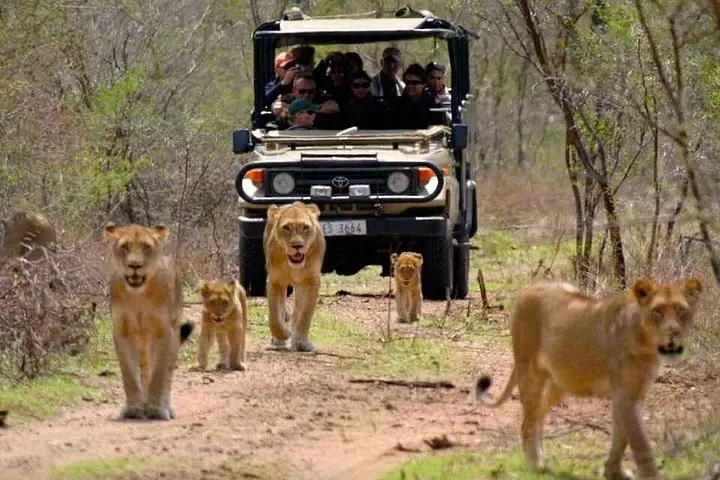
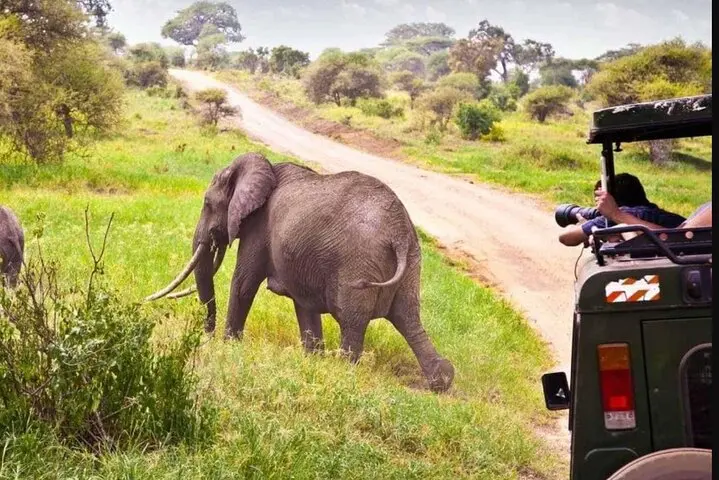
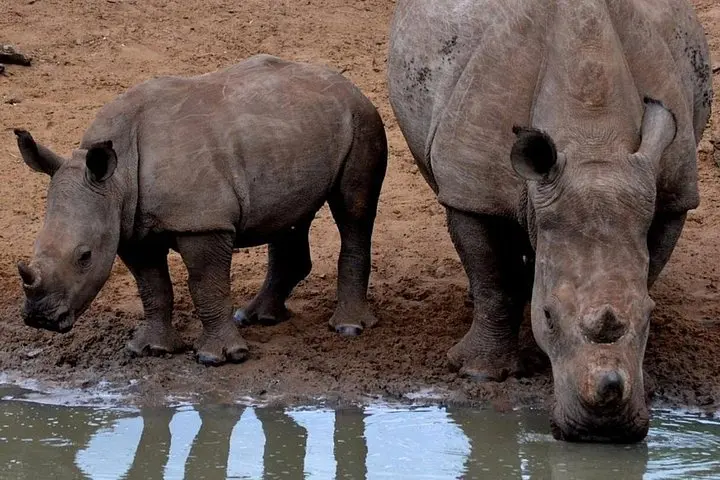
Drive from Durban to one of Africa’s most storied reserves and spend a day on open 4x4 game drives searching for the Big Five. Learn about the park’s pioneering rhino program while watching elephants, buffalo, lions and more move through shady valleys and sunlit pans.
Drive from Durban to one of Africa’s most storied reserves and spend a day on open 4x4 game drives searching for the Big Five. Learn about the park’s pioneering rhino program while watching elephants, buffalo, lions and more move through shady valleys and sunlit pans.
The day begins before dawn in Durban: headlights cut through sugarcane fields, and the open 4x4 hums toward a gate that opens onto rolling hills. You feel the landscape change under the tires — scrubby bushveld giving way to riverine forest and sun-baked ridges — and the guide lifts a hand to point where a silhouette lingers at the horizon.
Verified experiences and guided adventures in the surrounding area.
Operated by African Tour Safaris · Hluhluwe, KwaZulu-Natal
The day begins before dawn in Durban: headlights cut through sugarcane fields, and the open 4x4 hums toward a gate that opens onto rolling hills. You feel the landscape change under the tires — scrubby bushveld giving way to riverine forest and sun-baked ridges — and the guide lifts a hand to point where a silhouette lingers at the horizon.
Hluhluwe–iMfolozi is South Africa’s oldest proclaimed game reserve, its story entwined with early conservation efforts that saved the white rhino from local extinction. Geologically the park is a patchwork of Natal sandstone ridges and low-lying valleys that collect water and with it the wildlife: pans and seasonal rivers edge grasslands that feed elephant and buffalo, while thickets hide leopard and lion.
The park sits within Zulu country, and local guides often weave natural history with cultural context — stories of how people here read the land and its seasonal rhythms. Conservation is visible: rhino monitoring, anti-poaching patrols, and habitat management shape the safari experience as much as chance sightings.
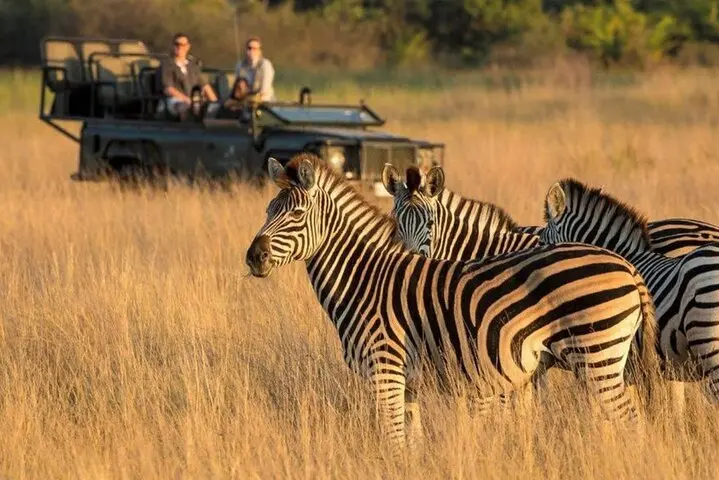
Practically, expect a full day (roughly 10 hours roundtrip from Durban). Game drives move at wildlife pace: long stretches of patient scanning interrupted by sharp bursts of motion. Morning and late afternoon hold the best light and activity. Wear layered clothing for temperature swings, bring binoculars and a camera with a telephoto, and pack water and a hat; lunch is typically at your own cost en route or back in Durban. Vehicles follow park roads — stay seated, keep limbs inside, and follow your guide’s safety briefings for the safest, most rewarding viewing.
The park supports populations of the Big Five and sightings are common, but wildlife is never guaranteed; guides maximize chances through experience and knowledge of animal movement.
Yes—tours generally include return transport from Durban; confirm your exact pickup point with the operator at booking.
Information provided indicates accessibility options; contact the operator for details and to confirm needs before booking.
Lunch is typically at your own cost; drivers often stop at park or nearby facilities where you can purchase a meal or bring a packed lunch.
African Tour Safaris operates guided outdoor trips and adventures with an emphasis on safety, stewardship, and memorable experiences.
The day begins before dawn in Durban: headlights cut through sugarcane fields, and the open 4x4 hums toward a gate that opens onto rolling hills. You feel the landscape change under the tires — scrubby bushveld giving way to riverine forest and sun-baked ridges — and the guide lifts a hand to point where a silhouette lingers at the horizon.
The day begins before dawn in Durban: headlights cut through sugarcane fields, and the open 4x4 hums toward a gate that opens onto rolling hills. You feel the landscape change under the tires — scrubby bushveld giving way to riverine forest and sun-baked ridges — and the guide lifts a hand to point where a silhouette lingers at the horizon.
Hluhluwe–iMfolozi is South Africa’s oldest proclaimed game reserve, its story entwined with early conservation efforts that saved the white rhino from local extinction. Geologically the park is a patchwork of Natal sandstone ridges and low-lying valleys that collect water and with it the wildlife: pans and seasonal rivers edge grasslands that feed elephant and buffalo, while thickets hide leopard and lion.
The park sits within Zulu country, and local guides often weave natural history with cultural context — stories of how people here read the land and its seasonal rhythms. Conservation is visible: rhino monitoring, anti-poaching patrols, and habitat management shape the safari experience as much as chance sightings.
Practically, expect a full day (roughly 10 hours roundtrip from Durban). Game drives move at wildlife pace: long stretches of patient scanning interrupted by sharp bursts of motion. Morning and late afternoon hold the best light and activity. Wear layered clothing for temperature swings, bring binoculars and a camera with a telephoto, and pack water and a hat; lunch is typically at your own cost en route or back in Durban. Vehicles follow park roads — stay seated, keep limbs inside, and follow your guide’s safety briefings for the safest, most rewarding viewing.