THE ADVENTURE COLLECTIVE® · Independent discovery and booking for outdoor travel

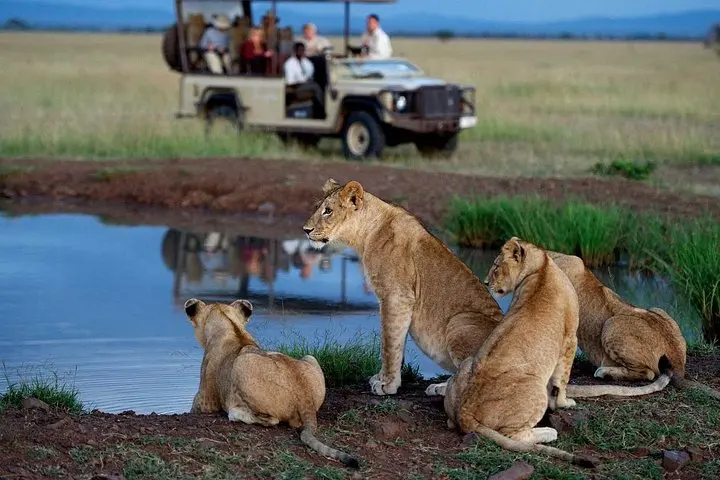
Spend a long day chasing Big 5 sightings across South Africa’s oldest proclaimed reserve. This vehicle-based game drive from Durban pairs efficient travel with a chance to see elephants, rhinos, lions and more in a landscape shaped by rolling hills and riverine pockets.
Spend a long day chasing Big 5 sightings across South Africa’s oldest proclaimed reserve. This vehicle-based game drive from Durban pairs efficient travel with a chance to see elephants, rhinos, lions and more in a landscape shaped by rolling hills and riverine pockets.
You step off the minibus as the air opens into a broad, dry savannah; tall grasses lean like an audience and termite mounds punctuate the rolling hills. The 4x4 rumbles onto a dusty track and the reserve’s rhythm takes over—birds call, distant hooves drum, and a breeze teases the scent of earth and milkwood trees.
Verified experiences and guided adventures in the surrounding area.
Operated by African Saf Tours · Hluhluwe, KwaZulu-Natal
You step off the minibus as the air opens into a broad, dry savannah; tall grasses lean like an audience and termite mounds punctuate the rolling hills. The 4x4 rumbles onto a dusty track and the reserve’s rhythm takes over—birds call, distant hooves drum, and a breeze teases the scent of earth and milkwood trees.
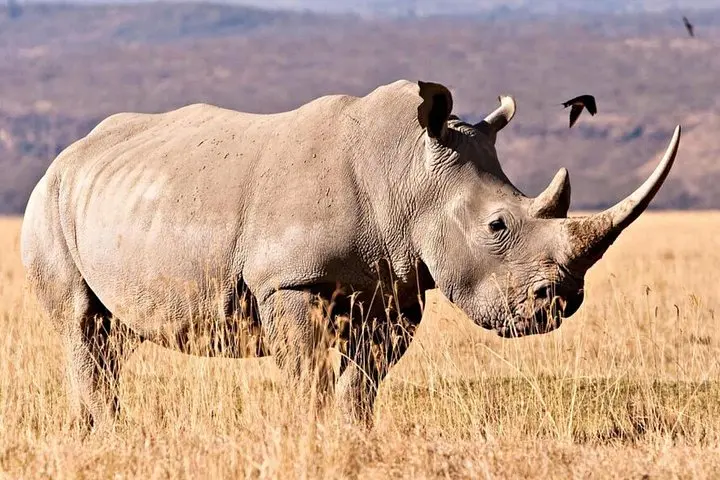
Hluhluwe-Imfolozi is the oldest proclaimed game reserve in Africa and a cornerstone of white rhino conservation. Formed by folded hills of Natal midlands and coastal lowlands, the park’s geology creates ridgelines and valleys that guide wildlife movement. Zulu cultural ties to the land are visible in nearby communities and place names; local conservation programs blend traditional knowledge with modern wildlife management.
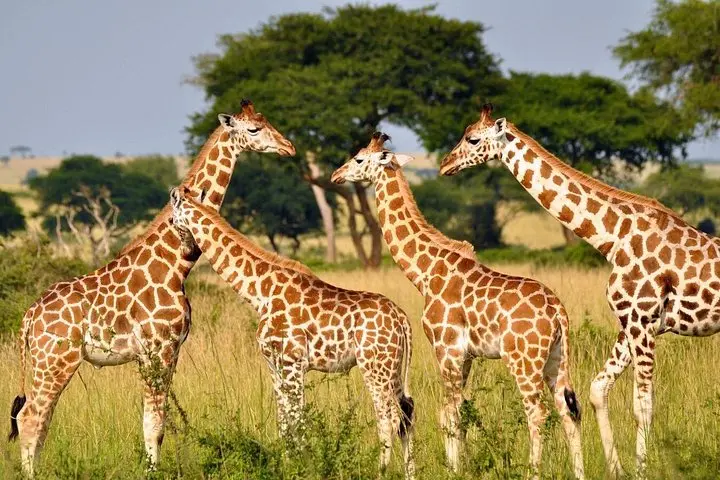
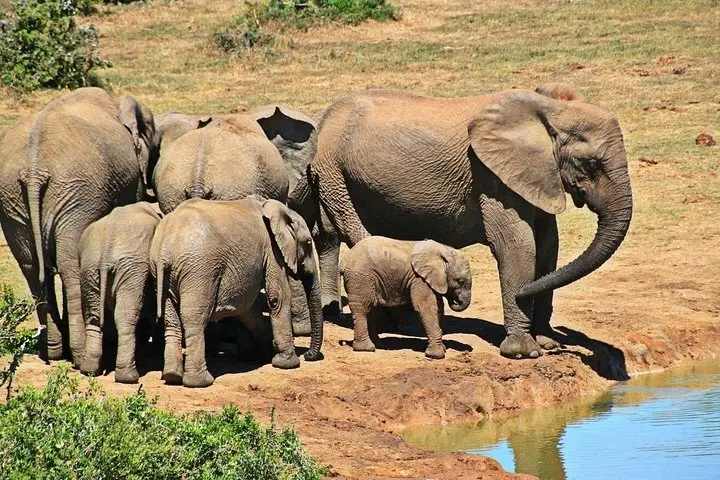
A full-day game drive from Durban covers long distances across 96,000 hectares of savannah, acacia stands, and riverine thickets. Expect vehicle-based viewing with stops for photos and short walks where allowed. Look for elephants moving in family groups, buffalo grazing in the shade, and the concentrated wad of rhino activity around well-known conservancy zones. Guides use spoor, behavior, and habitat to find predators and elusive species.
Practical guidance: depart early (6:00 a.m.), bring sun protection, a warm layer for winter mornings, binoculars, and a camera with a telephoto lens. Lunch is typically at a park café (own expense) or a packed meal. Roads are unpaved—travel can be bumpy—so secure loose items. If you have limited mobility, check vehicle accessibility and inform the operator ahead of time. A day here is a long window into wild KwaZulu-Natal—efficient, observational, and shaped by patience.
The tour typically departs around 6:00 a.m. with a round-trip duration near 12 hours, including travel and time in the reserve (about 8 hours in-park).
Hluhluwe-Imfolozi supports all Big 5 species and sightings are common, but wildlife is never guaranteed—good sightings depend on season, time of day, and luck.
Some vehicles and facilities are wheelchair accessible; inform the operator at booking to arrange appropriate transport and assistance.
Lunch is usually at a park facility and is an own-expense item unless the tour specifies otherwise—pack snacks and water for flexibility.
African Saf Tours operates guided outdoor trips and adventures with an emphasis on safety, stewardship, and memorable experiences.
You step off the minibus as the air opens into a broad, dry savannah; tall grasses lean like an audience and termite mounds punctuate the rolling hills. The 4x4 rumbles onto a dusty track and the reserve’s rhythm takes over—birds call, distant hooves drum, and a breeze teases the scent of earth and milkwood trees.
You step off the minibus as the air opens into a broad, dry savannah; tall grasses lean like an audience and termite mounds punctuate the rolling hills. The 4x4 rumbles onto a dusty track and the reserve’s rhythm takes over—birds call, distant hooves drum, and a breeze teases the scent of earth and milkwood trees.
Hluhluwe-Imfolozi is the oldest proclaimed game reserve in Africa and a cornerstone of white rhino conservation. Formed by folded hills of Natal midlands and coastal lowlands, the park’s geology creates ridgelines and valleys that guide wildlife movement. Zulu cultural ties to the land are visible in nearby communities and place names; local conservation programs blend traditional knowledge with modern wildlife management.
A full-day game drive from Durban covers long distances across 96,000 hectares of savannah, acacia stands, and riverine thickets. Expect vehicle-based viewing with stops for photos and short walks where allowed. Look for elephants moving in family groups, buffalo grazing in the shade, and the concentrated wad of rhino activity around well-known conservancy zones. Guides use spoor, behavior, and habitat to find predators and elusive species.
Practical guidance: depart early (6:00 a.m.), bring sun protection, a warm layer for winter mornings, binoculars, and a camera with a telephoto lens. Lunch is typically at a park café (own expense) or a packed meal. Roads are unpaved—travel can be bumpy—so secure loose items. If you have limited mobility, check vehicle accessibility and inform the operator ahead of time. A day here is a long window into wild KwaZulu-Natal—efficient, observational, and shaped by patience.