THE ADVENTURE COLLECTIVE® · Independent discovery and booking for outdoor travel

Spend a full day tracing Vietnam’s recent history—from colonial landmarks in Ho Chi Minh City to the narrow galleries of the Cu Chi Tunnels. This small-group tour pairs guided context with on-site exploration and local food.
Spend a full day tracing Vietnam’s recent history—from colonial landmarks in Ho Chi Minh City to the narrow galleries of the Cu Chi Tunnels. This small-group tour pairs guided context with on-site exploration and local food.
You step onto Saigon's cracked pavement as motorbikes part like a tide; the city smells of coffee and diesel, and a cool A/C van promises a full day out of the urban rush.
Verified experiences and guided adventures in the surrounding area.
Operated by LOCAL TOURS VIETNAM · Ho Chi Minh City, Ho Chi Minh
You step onto Saigon's cracked pavement as motorbikes part like a tide; the city smells of coffee and diesel, and a cool A/C van promises a full day out of the urban rush.
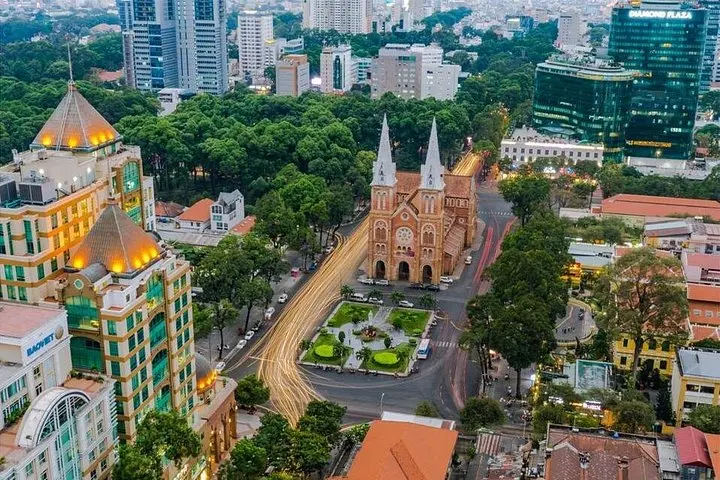
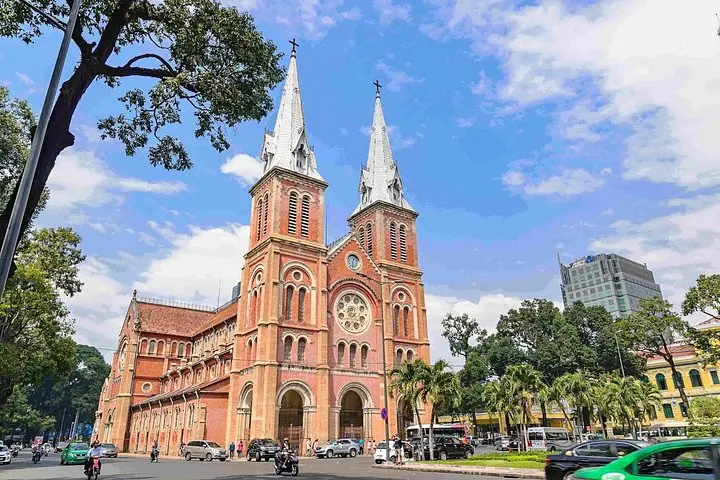
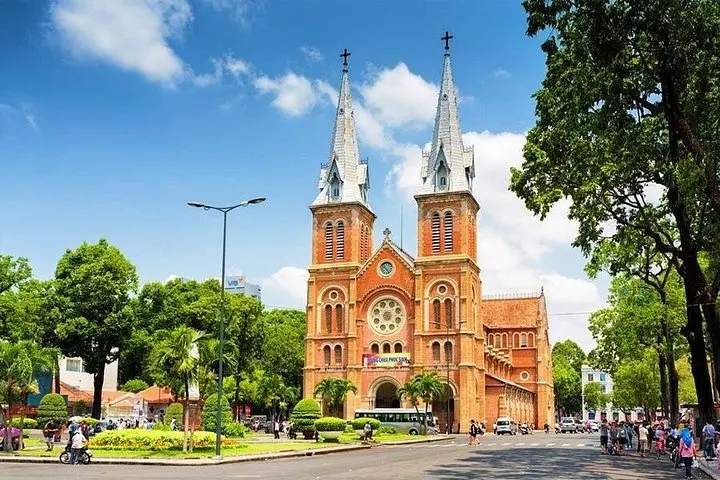
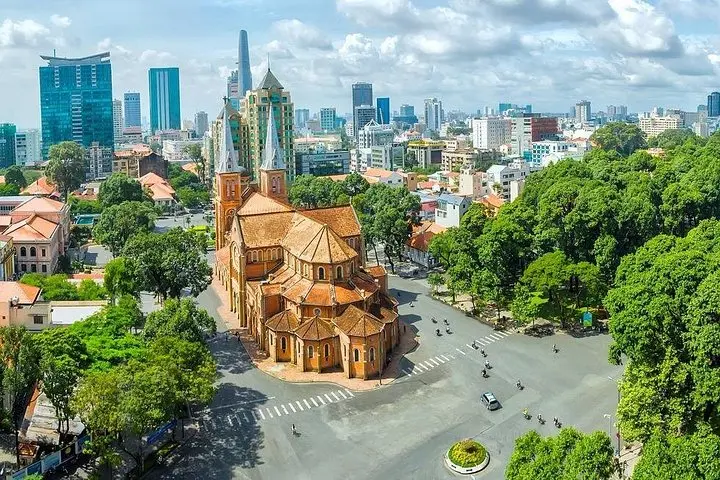
The tour moves from colonial boulevards to the quieter scrub of Cu Chi, tracing Vietnam’s modern history from 1955–1975. In central Ho Chi Minh City guides explain the Reunification (Independence) Palace’s role in the final days of conflict, and point out the cathedral’s French-era masonry while the War Remnants Museum lays out photographic archives that frame the human cost.
Geologically the Cu Chi area is low-lying alluvial plain—soft clay and lateritic layers that made tunneling feasible but prone to collapse without careful engineering. The Viet Cong dug multi-level galleries: living spaces, kitchens, armories and booby-trapped exits that blend into the scrub and rice paddies. Walking the preserved sections, you feel the tightness of space and the ingenuity of covert life underground; a short film and artifacts add context before tea and cassava—staples of guerilla survival—are offered.
Practically: expect a 9–10 hour day with roughly 1.5 hours driving each way depending on traffic, small-group transport (max 12), bottled water, and a local lunch included. Wear sturdy, closed-toe shoes, bring sun protection and a small daypack, and budget time for heavy traffic at return.
This day pairs history and hands-on perspective—best for travelers who want concrete context as well as clear logistics for a long, informative day trip.
Expect about 1–1.5 hours each way from central District 1, but allow extra time for traffic during peak hours.
Visitors access reinforced, widened sections; guides explain hazards and you can opt to stay above ground if you prefer.
Yes, a local restaurant lunch is included in the tour price, typically served between the museum visit and the Cu Chi site.
The trip involves steps and low headroom in tunnel areas; contact the operator if you have mobility constraints to assess suitability.
LOCAL TOURS VIETNAM operates guided outdoor trips and adventures with an emphasis on safety, stewardship, and memorable experiences.
You step onto Saigon's cracked pavement as motorbikes part like a tide; the city smells of coffee and diesel, and a cool A/C van promises a full day out of the urban rush.
You step onto Saigon's cracked pavement as motorbikes part like a tide; the city smells of coffee and diesel, and a cool A/C van promises a full day out of the urban rush.
The tour moves from colonial boulevards to the quieter scrub of Cu Chi, tracing Vietnam’s modern history from 1955–1975. In central Ho Chi Minh City guides explain the Reunification (Independence) Palace’s role in the final days of conflict, and point out the cathedral’s French-era masonry while the War Remnants Museum lays out photographic archives that frame the human cost.
Geologically the Cu Chi area is low-lying alluvial plain—soft clay and lateritic layers that made tunneling feasible but prone to collapse without careful engineering. The Viet Cong dug multi-level galleries: living spaces, kitchens, armories and booby-trapped exits that blend into the scrub and rice paddies. Walking the preserved sections, you feel the tightness of space and the ingenuity of covert life underground; a short film and artifacts add context before tea and cassava—staples of guerilla survival—are offered.
Practically: expect a 9–10 hour day with roughly 1.5 hours driving each way depending on traffic, small-group transport (max 12), bottled water, and a local lunch included. Wear sturdy, closed-toe shoes, bring sun protection and a small daypack, and budget time for heavy traffic at return.
This day pairs history and hands-on perspective—best for travelers who want concrete context as well as clear logistics for a long, informative day trip.