THE ADVENTURE COLLECTIVE® · Independent discovery and booking for outdoor travel

Leave Saigon for a half-day jeep ride to Cu Chi and descend into the narrow tunnels that sustained Viet Cong fighters. This guided tour combines hands-on local culture with a direct, physical encounter of wartime ingenuity.
Leave Saigon for a half-day jeep ride to Cu Chi and descend into the narrow tunnels that sustained Viet Cong fighters. This guided tour combines hands-on local culture with a direct, physical encounter of wartime ingenuity.
The morning begins on a dusty road leaving Saigon—jeep tires kick up red earth and the city skyline thins into rice paddies and palm stands. By the time the ticket booth appears, the heat and the hum of traffic have been traded for a quieter landscape where narrow entrances puncture the ground like hidden doorways to another era.
Verified experiences and guided adventures in the surrounding area.
Operated by Alotour · Cu Chi, Ho Chi Minh
The morning begins on a dusty road leaving Saigon—jeep tires kick up red earth and the city skyline thins into rice paddies and palm stands. By the time the ticket booth appears, the heat and the hum of traffic have been traded for a quieter landscape where narrow entrances puncture the ground like hidden doorways to another era.
Cu Chi is where geology and history converge: laterite soil and a shallow water table made digging long galleries possible, and the Viet Cong exploited that landscape into a 250 km web of tunnels used for shelter, supply, and surprise. Visiting the accessible sections, you step into constricted passages, feel the cool, damp air, and see the living quarters, kitchens, and booby traps that speak to improvisation under siege.
Culturally, the site balances remembrance and local life—simple tea and cassava rations served to visitors are the same staples that sustained fighters decades ago. Optional hands-on activities, like rice-paper making, connect the wartime story to everyday Vietnamese craft.
Practical guidance: wear lightweight, closed-toe shoes and breathable clothing; tunnels are low and sometimes muddy, so plan for stooping and short stretches of crawling. Bring a refillable water bottle—the tour includes one bottle but you’ll want more in hot months. Most itineraries run about six hours with pickup in Ho Chi Minh City; expect light walking and sections unsuitable for those with severe claustrophobia or heart conditions. Respect site rules: stay on marked trails, avoid touching fragile exhibits, and follow guides when entering tunnels. Whether you come for history or the unusual outdoors experience, Cu Chi delivers a visceral, informative half-day that places you literally inside Vietnam’s guerrilla past.
Expect about 1.5 hours each way by jeep depending on traffic—transport is included in most tour packages.
Only short, purpose-built sections are open to visitors; they require stooping and tight movement and are not recommended for those with claustrophobia or serious heart problems.
Yes—tours typically include a light meal and local snacks such as tea and cassava; inform the operator of dietary restrictions when booking.
Photography is usually allowed in open areas but follow guide instructions—avoid flash on sensitive exhibits and do not photograph restricted zones.
Alotour operates guided outdoor trips and adventures with an emphasis on safety, stewardship, and memorable experiences.

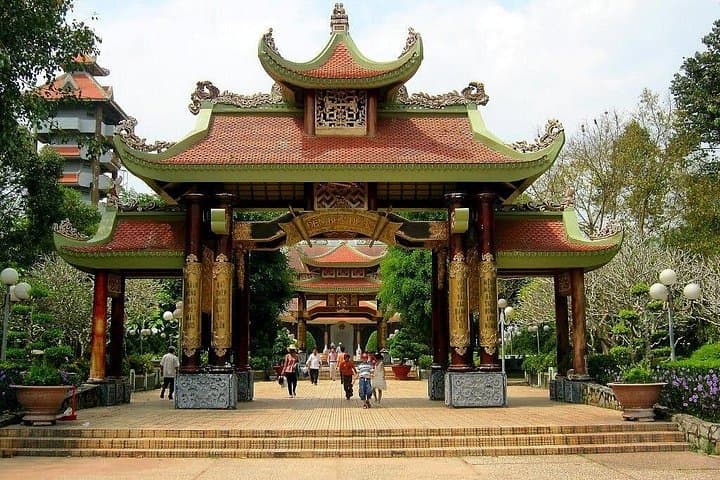


The morning begins on a dusty road leaving Saigon—jeep tires kick up red earth and the city skyline thins into rice paddies and palm stands. By the time the ticket booth appears, the heat and the hum of traffic have been traded for a quieter landscape where narrow entrances puncture the ground like hidden doorways to another era.
The morning begins on a dusty road leaving Saigon—jeep tires kick up red earth and the city skyline thins into rice paddies and palm stands. By the time the ticket booth appears, the heat and the hum of traffic have been traded for a quieter landscape where narrow entrances puncture the ground like hidden doorways to another era.
Cu Chi is where geology and history converge: laterite soil and a shallow water table made digging long galleries possible, and the Viet Cong exploited that landscape into a 250 km web of tunnels used for shelter, supply, and surprise. Visiting the accessible sections, you step into constricted passages, feel the cool, damp air, and see the living quarters, kitchens, and booby traps that speak to improvisation under siege.
Culturally, the site balances remembrance and local life—simple tea and cassava rations served to visitors are the same staples that sustained fighters decades ago. Optional hands-on activities, like rice-paper making, connect the wartime story to everyday Vietnamese craft.
Practical guidance: wear lightweight, closed-toe shoes and breathable clothing; tunnels are low and sometimes muddy, so plan for stooping and short stretches of crawling. Bring a refillable water bottle—the tour includes one bottle but you’ll want more in hot months. Most itineraries run about six hours with pickup in Ho Chi Minh City; expect light walking and sections unsuitable for those with severe claustrophobia or heart conditions. Respect site rules: stay on marked trails, avoid touching fragile exhibits, and follow guides when entering tunnels. Whether you come for history or the unusual outdoors experience, Cu Chi delivers a visceral, informative half-day that places you literally inside Vietnam’s guerrilla past.