THE ADVENTURE COLLECTIVE® · Independent discovery and booking for outdoor travel

Explore Saigon’s colonial landmarks and descend into the Cu Chi tunnel network in a single day. This guided route mixes hard history, urban energy and a tactile look at wartime survival.
Explore Saigon’s colonial landmarks and descend into the Cu Chi tunnel network in a single day. This guided route mixes hard history, urban energy and a tactile look at wartime survival.
You step out into Saigon morning heat and the city answers with a surge of motorbikes, teak-scented air and colonial facades catching the light. The tour peels through District 1—Notre-Dame’s twin towers and the vaulted Central Post Office—before the car threads northwest toward the Cu Chi countryside, where tamped earth and low jungle tone down the city’s clamor.
Verified experiences and guided adventures in the surrounding area.
Operated by Authentic Travel HOI AN · Ho Chi Minh City, Ho Chi Minh
You step out into Saigon morning heat and the city answers with a surge of motorbikes, teak-scented air and colonial facades catching the light. The tour peels through District 1—Notre-Dame’s twin towers and the vaulted Central Post Office—before the car threads northwest toward the Cu Chi countryside, where tamped earth and low jungle tone down the city’s clamor.
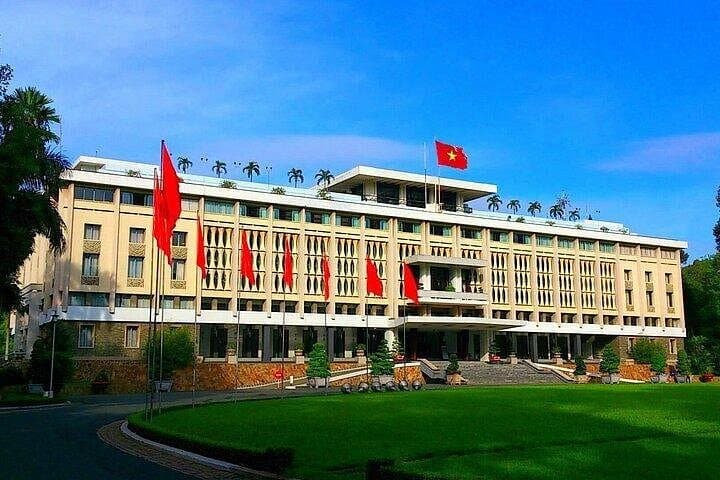
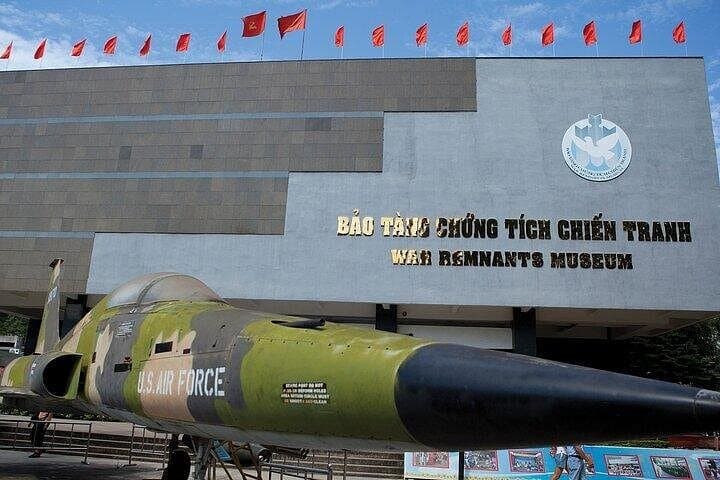
Ho Chi Minh City is layered: French 19th-century masonry sits beside glossy high-rises, while the War Remnants Museum and Independence Palace anchor a modern nation’s difficult past. Geologically the region is flat Mekong delta plain—sandy, alluvial—and that loose soil is what made an underground network like Cu Chi possible. The tunnels themselves are narrow, often under 1 meter high, carved into clay and later reinforced; they were both shelter and supply artery during the conflict.
Culturally the day balances solemn history with living street culture—coffee vendors, bánh mì stalls and the city’s accelerating pace. Local guides explain wartime ingenuity: booby-traps, concealed kitchens and escape routes, then invite you into a short section of reconstructed tunnel to experience the cramped, humid conditions.
Practical guidance: wear sturdy closed shoes for dust and uneven walkways, bring a light rain jacket in monsoon months, and carry cash for small vendors. Expect roughly 9–10 hours total, including a 60–90 minute drive each way to Cu Chi. The experience is low-impact physically but intense emotionally; plan rest after the museum visits and hydrate—bottled water is usually provided. For photographers, be respectful in memorial displays and mindful of flash rules in museum galleries.
Expect about 60–90 minutes each way depending on traffic; the tour includes transfers in an air-conditioned vehicle.
Yes—tours include reconstructed and original tunnel sections; some are narrow and require bending or crawling, so participation is optional for those with mobility or claustrophobia concerns.
Lunch and bottled water are included on most full-day tours; bring snacks if you have specific dietary needs and notify the operator in advance for vegetarian requests.
Children can join but should be supervised in tunnel areas and museum exhibits; consider skipping the crawl sections for younger kids and those sensitive to graphic war displays.
Authentic Travel HOI AN operates guided outdoor trips and adventures with an emphasis on safety, stewardship, and memorable experiences.

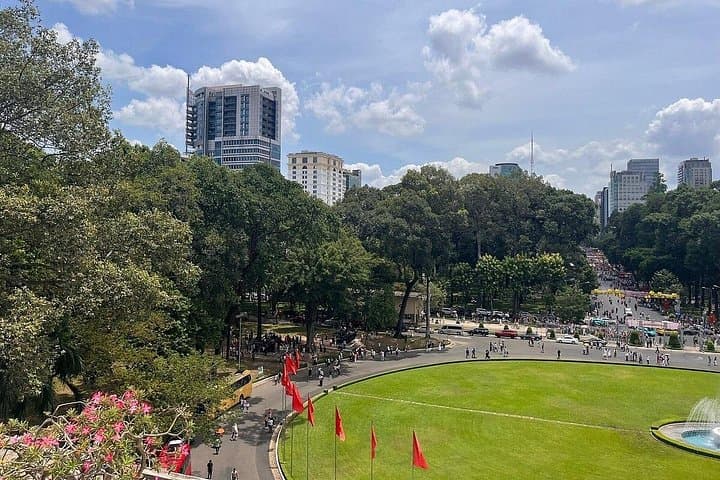
You step out into Saigon morning heat and the city answers with a surge of motorbikes, teak-scented air and colonial facades catching the light. The tour peels through District 1—Notre-Dame’s twin towers and the vaulted Central Post Office—before the car threads northwest toward the Cu Chi countryside, where tamped earth and low jungle tone down the city’s clamor.
You step out into Saigon morning heat and the city answers with a surge of motorbikes, teak-scented air and colonial facades catching the light. The tour peels through District 1—Notre-Dame’s twin towers and the vaulted Central Post Office—before the car threads northwest toward the Cu Chi countryside, where tamped earth and low jungle tone down the city’s clamor.
Ho Chi Minh City is layered: French 19th-century masonry sits beside glossy high-rises, while the War Remnants Museum and Independence Palace anchor a modern nation’s difficult past. Geologically the region is flat Mekong delta plain—sandy, alluvial—and that loose soil is what made an underground network like Cu Chi possible. The tunnels themselves are narrow, often under 1 meter high, carved into clay and later reinforced; they were both shelter and supply artery during the conflict.
Culturally the day balances solemn history with living street culture—coffee vendors, bánh mì stalls and the city’s accelerating pace. Local guides explain wartime ingenuity: booby-traps, concealed kitchens and escape routes, then invite you into a short section of reconstructed tunnel to experience the cramped, humid conditions.
Practical guidance: wear sturdy closed shoes for dust and uneven walkways, bring a light rain jacket in monsoon months, and carry cash for small vendors. Expect roughly 9–10 hours total, including a 60–90 minute drive each way to Cu Chi. The experience is low-impact physically but intense emotionally; plan rest after the museum visits and hydrate—bottled water is usually provided. For photographers, be respectful in memorial displays and mindful of flash rules in museum galleries.