THE ADVENTURE COLLECTIVE® · Independent discovery and booking for outdoor travel

See Ho Chi Minh City from the back of a scooter on a 3–4 hour guided circuit that threads colonial landmarks, flower markets and Chinatown shrines. It’s a fast, street-level primer for first-time visitors who want local rhythms and practical context.
See Ho Chi Minh City from the back of a scooter on a 3–4 hour guided circuit that threads colonial landmarks, flower markets and Chinatown shrines. It’s a fast, street-level primer for first-time visitors who want local rhythms and practical context.
The engine hums and the city shifts — vendors call, motorbikes thread like shoelaces, and the morning air tastes of coffee and frying oil. Riding pillion on a guided scooter in Ho Chi Minh City puts travelers at street level, moving through narrow alleys, past colonial facades and the neon pulse of local markets.
Verified experiences and guided adventures in the surrounding area.
Operated by Saigon On Scooter · Ho Chi Minh City, Ho Chi Minh
The engine hums and the city shifts — vendors call, motorbikes thread like shoelaces, and the morning air tastes of coffee and frying oil. Riding pillion on a guided scooter in Ho Chi Minh City puts travelers at street level, moving through narrow alleys, past colonial facades and the neon pulse of local markets.
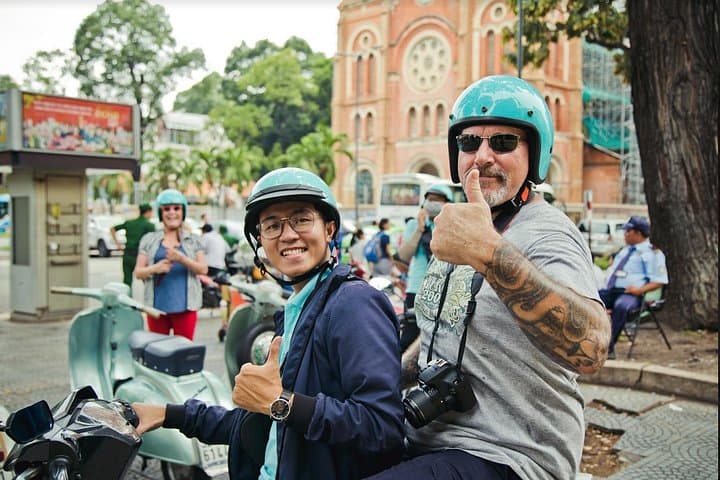
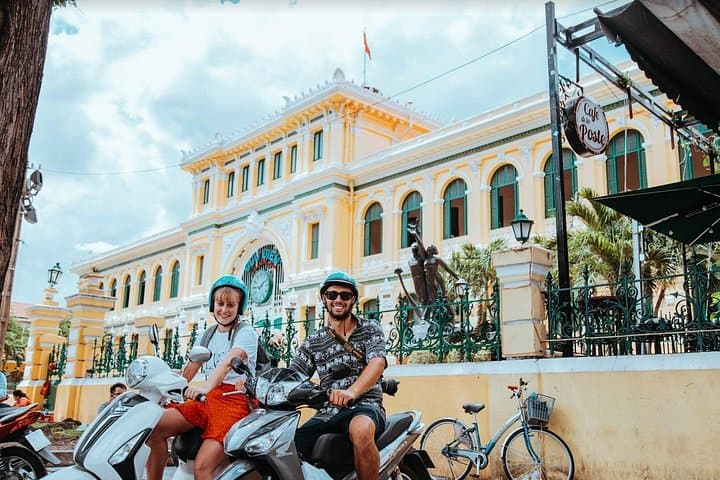
This half-day route stitches together layers of the city’s history: French-built Notre-Dame and the Central Post Office stand as reminders of 19th-century urban planning, while Cholon’s Ba Thien Hau Temple speaks to the Chinese-Vietnamese merchant networks that shaped District 5. Geologically the region sits on the Mekong Delta’s fringe — flat, low-lying land that channels life toward the Saigon River and has long dictated settlement patterns and trade routes.
Culturally, the tour reveals how religion, commerce and colonial architecture coexist: temples with incense-scented incense, bustling flower markets supplied from Dalat’s highlands, and opera-house balconies that once hosted Saigon’s elite. Guides explain these contrasts while navigating traffic that feels alive and assertive, not chaotic.
Practical guidance: expect 3–4 hours on the road with short stops for photos and market visits; helmets are provided, but bring a light rain layer during wet months. Wear closed-toe shoes and secure valuables; traffic moves quickly and the tour requires following the guide’s lead. Hydrate before and after — the city’s heat pushes, the river breeze occasionally answers.
For travelers who want a concentrated, sensory primer on Ho Chi Minh City, this scooter circuit delivers context and momentum — an efficient, local-paced way to see more in a morning or afternoon.
Yes, high-quality helmets are provided for all riders; you can bring your own if you prefer a personal fit.
Passengers ride on the back of the guide’s scooter; it’s generally suitable for non-riders and older children, but infants must sit on an adult’s lap and pregnant travelers are not recommended to join.
Guides are English-speaking and provide local commentary; larger groups may include multiple-language support depending on booking.
Yes—bring small Vietnamese đồng for snacks, market purchases or small tips; some locations accept cards but many vendors do not.
Saigon On Scooter operates guided outdoor trips and adventures with an emphasis on safety, stewardship, and memorable experiences.
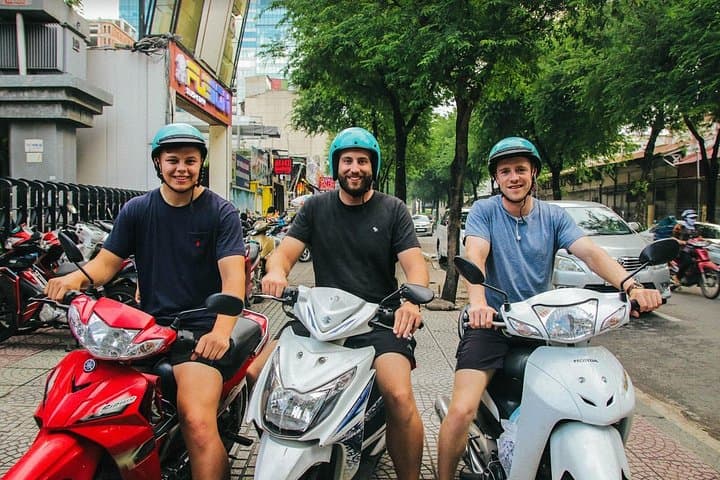
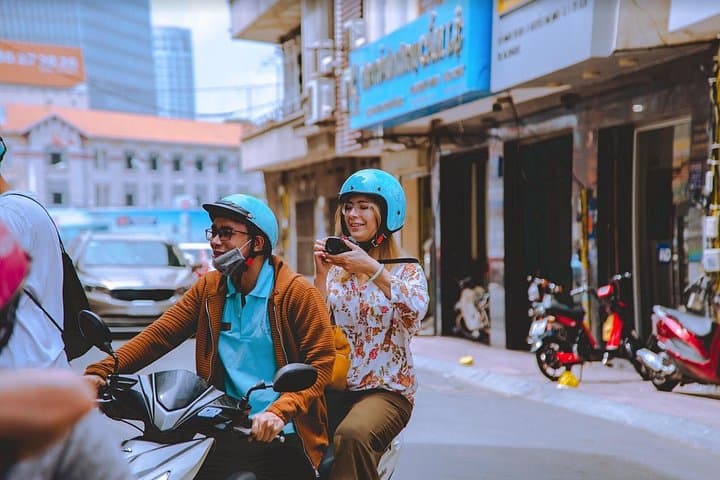
The engine hums and the city shifts — vendors call, motorbikes thread like shoelaces, and the morning air tastes of coffee and frying oil. Riding pillion on a guided scooter in Ho Chi Minh City puts travelers at street level, moving through narrow alleys, past colonial facades and the neon pulse of local markets.
The engine hums and the city shifts — vendors call, motorbikes thread like shoelaces, and the morning air tastes of coffee and frying oil. Riding pillion on a guided scooter in Ho Chi Minh City puts travelers at street level, moving through narrow alleys, past colonial facades and the neon pulse of local markets.
This half-day route stitches together layers of the city’s history: French-built Notre-Dame and the Central Post Office stand as reminders of 19th-century urban planning, while Cholon’s Ba Thien Hau Temple speaks to the Chinese-Vietnamese merchant networks that shaped District 5. Geologically the region sits on the Mekong Delta’s fringe — flat, low-lying land that channels life toward the Saigon River and has long dictated settlement patterns and trade routes.
Culturally, the tour reveals how religion, commerce and colonial architecture coexist: temples with incense-scented incense, bustling flower markets supplied from Dalat’s highlands, and opera-house balconies that once hosted Saigon’s elite. Guides explain these contrasts while navigating traffic that feels alive and assertive, not chaotic.
Practical guidance: expect 3–4 hours on the road with short stops for photos and market visits; helmets are provided, but bring a light rain layer during wet months. Wear closed-toe shoes and secure valuables; traffic moves quickly and the tour requires following the guide’s lead. Hydrate before and after — the city’s heat pushes, the river breeze occasionally answers.
For travelers who want a concentrated, sensory primer on Ho Chi Minh City, this scooter circuit delivers context and momentum — an efficient, local-paced way to see more in a morning or afternoon.