THE ADVENTURE COLLECTIVE® · Independent discovery and booking for outdoor travel

Step aboard a small-group cruise from Hobart that navigates the River Derwent to Iron Pot Lighthouse and circumnavigates Betsey Island. Learn maritime history, spot seabirds and seals, and photograph Mount Wellington from the water.
Step aboard a small-group cruise from Hobart that navigates the River Derwent to Iron Pot Lighthouse and circumnavigates Betsey Island. Learn maritime history, spot seabirds and seals, and photograph Mount Wellington from the water.
The boat slips away from Franklin Wharf and Hobart’s stone quays; the city shrinks into a ribbon of roofs while Mount Wellington watches like a silent guardian. Salt wind pushes at the bow, gulls wheel and the Derwent River opens into a working coastline of cliffs, beaches and shipping channels. The Iron Pot, squat and white, stands at the river mouth—Australia’s oldest lighthouse—marking a threshold between river and open sea.
Verified experiences and guided adventures in the surrounding area.
Operated by Pennicott Wilderness Journeys · Hobart, Tasmania
The boat slips away from Franklin Wharf and Hobart’s stone quays; the city shrinks into a ribbon of roofs while Mount Wellington watches like a silent guardian. Salt wind pushes at the bow, gulls wheel and the Derwent River opens into a working coastline of cliffs, beaches and shipping channels. The Iron Pot, squat and white, stands at the river mouth—Australia’s oldest lighthouse—marking a threshold between river and open sea.
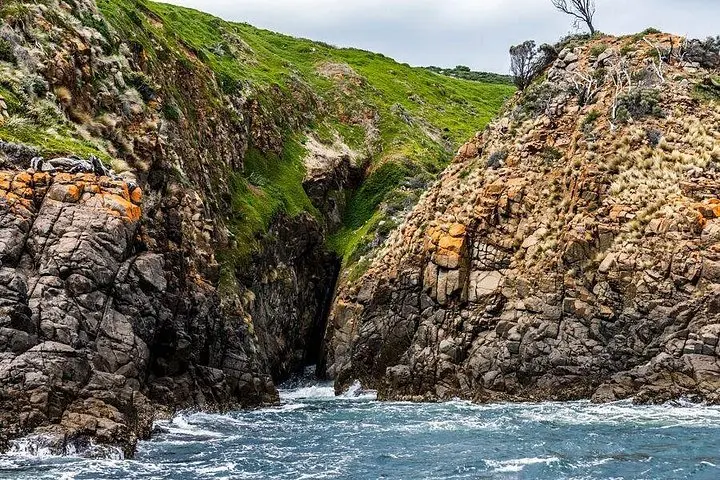
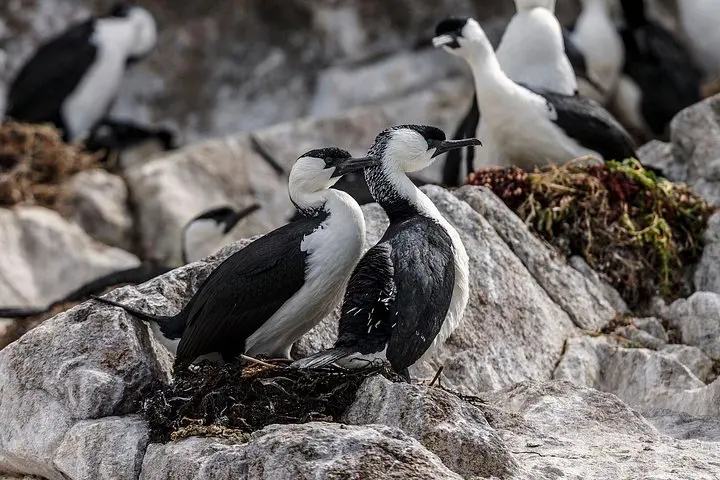
From the deck your guide threads maritime stories: early settlers and shipwrecks, the Shot Tower’s industrial history, and the naval drama of the Sydney–Hobart Yacht Race that uses these same waters. Geology shows itself in layered dolerite outcrops and sandy spits that feed nearby beaches. Betsey Island’s fractured shoreline and sea caves are focal points for seabirds and seals, while the coastline’s human layer—whaling history, fishing camps, and Hobart’s maritime commerce—remains visible in wharves and piers.
Practicality steers the experience: the cruise covers roughly 2.5 hours, with close passes to the Iron Pot and a circumnavigation of Betsey Island. Expect wind, spray, and variable light—bring a windproof layer and secure your camera. Small-group size (12–14) makes it easy to ask the guide about navigation and wildlife behaviors. Photography windows happen when the boat slows near caves and bird colonies; listen for the guide’s cues and keep a respectful distance from nesting or hauled-out animals.
This is a compact coastal immersion—part history lesson, part natural history survey—best enjoyed with sensible clothing, binoculars, and curiosity for the sea’s moods.
The tour lasts approximately 2.5 hours, departing from Franklin Wharf and returning to the same jetty.
Yes—infants must sit on an adult’s lap; the operator allows families and advises appropriate clothing for weather.
The itinerary circumnavigates the islands and visits sea caves by boat; landing is generally not part of the standard tour to protect wildlife and because of landing conditions.
The operator may cancel in poor weather for safety; cancellation at least 24 hours before departure allows a full refund under their policy.
Pennicott Wilderness Journeys operates guided outdoor trips and adventures with an emphasis on safety, stewardship, and memorable experiences.
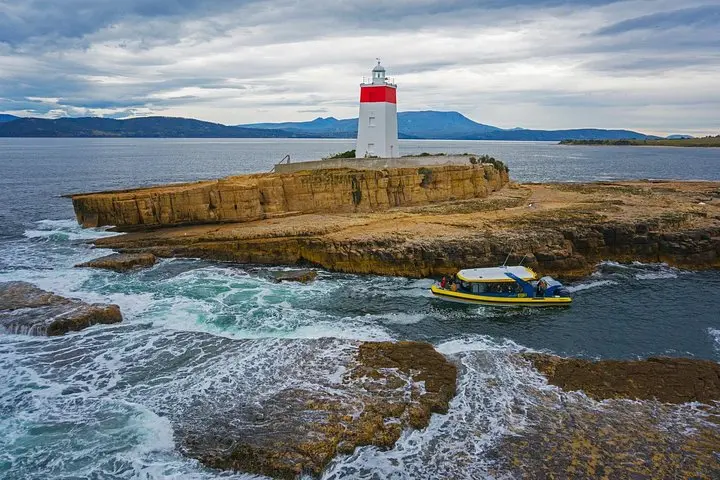
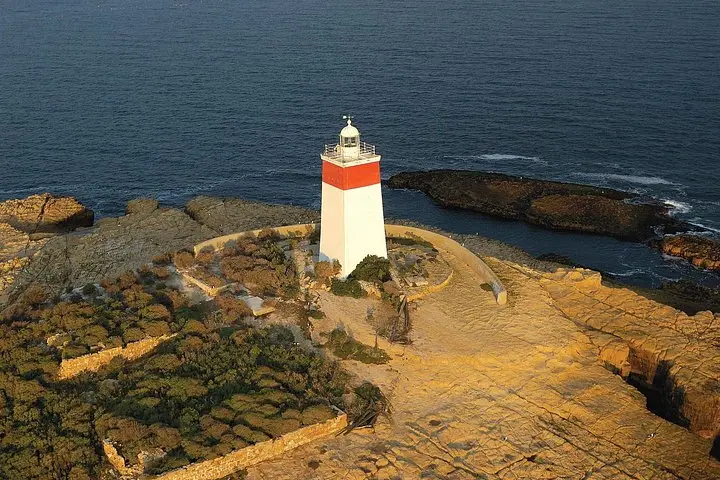
The boat slips away from Franklin Wharf and Hobart’s stone quays; the city shrinks into a ribbon of roofs while Mount Wellington watches like a silent guardian. Salt wind pushes at the bow, gulls wheel and the Derwent River opens into a working coastline of cliffs, beaches and shipping channels. The Iron Pot, squat and white, stands at the river mouth—Australia’s oldest lighthouse—marking a threshold between river and open sea.
The boat slips away from Franklin Wharf and Hobart’s stone quays; the city shrinks into a ribbon of roofs while Mount Wellington watches like a silent guardian. Salt wind pushes at the bow, gulls wheel and the Derwent River opens into a working coastline of cliffs, beaches and shipping channels. The Iron Pot, squat and white, stands at the river mouth—Australia’s oldest lighthouse—marking a threshold between river and open sea.
From the deck your guide threads maritime stories: early settlers and shipwrecks, the Shot Tower’s industrial history, and the naval drama of the Sydney–Hobart Yacht Race that uses these same waters. Geology shows itself in layered dolerite outcrops and sandy spits that feed nearby beaches. Betsey Island’s fractured shoreline and sea caves are focal points for seabirds and seals, while the coastline’s human layer—whaling history, fishing camps, and Hobart’s maritime commerce—remains visible in wharves and piers.
Practicality steers the experience: the cruise covers roughly 2.5 hours, with close passes to the Iron Pot and a circumnavigation of Betsey Island. Expect wind, spray, and variable light—bring a windproof layer and secure your camera. Small-group size (12–14) makes it easy to ask the guide about navigation and wildlife behaviors. Photography windows happen when the boat slows near caves and bird colonies; listen for the guide’s cues and keep a respectful distance from nesting or hauled-out animals.
This is a compact coastal immersion—part history lesson, part natural history survey—best enjoyed with sensible clothing, binoculars, and curiosity for the sea’s moods.