THE ADVENTURE COLLECTIVE® · Independent discovery and booking for outdoor travel

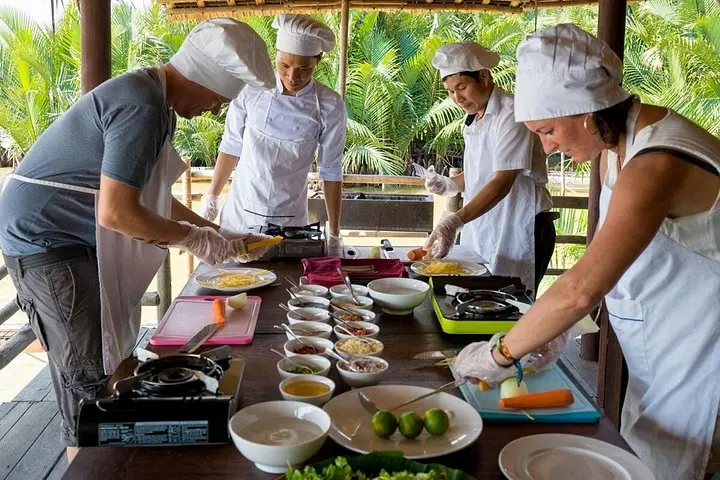
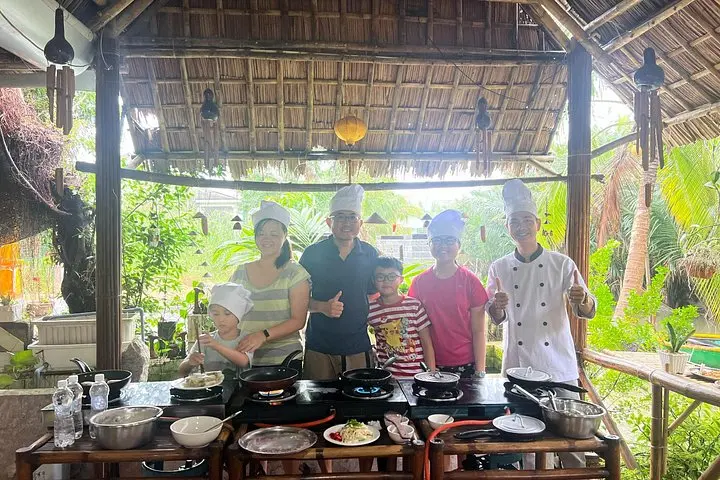
Ride out of Hoi An into Tra Que Village to farm with local growers, enjoy an herb massage, and learn to cook classic Vietnamese dishes. This half-day experience blends light cycling, hands-on farming, and a rooftop kitchen class.
Ride out of Hoi An into Tra Que Village to farm with local growers, enjoy an herb massage, and learn to cook classic Vietnamese dishes. This half-day experience blends light cycling, hands-on farming, and a rooftop kitchen class.
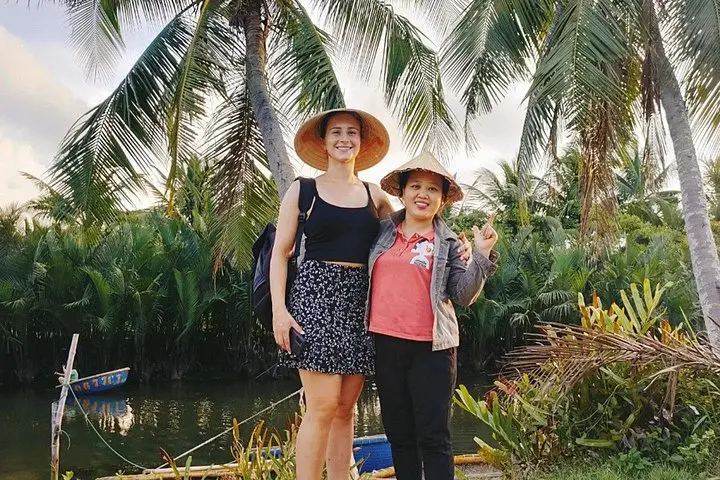
A warm morning light spreads over narrow lanes as cyclists leave Hoi An’s riverfront and slip into flat country roads. The ride to Tra Que Vegetable Village moves past rice fields that fan out like green seams, small canals glinting and farmers bending close to the soil. The village itself greets visitors with herb gardens, low earthen beds and the scent of lemongrass—an immediate reminder that food here comes from hands, not machines.
Verified experiences and guided adventures in the surrounding area.
Operated by Authentic Hanoi Homestay & Travel · Hoi An, Quang Nam
A warm morning light spreads over narrow lanes as cyclists leave Hoi An’s riverfront and slip into flat country roads. The ride to Tra Que Vegetable Village moves past rice fields that fan out like green seams, small canals glinting and farmers bending close to the soil. The village itself greets visitors with herb gardens, low earthen beds and the scent of lemongrass—an immediate reminder that food here comes from hands, not machines.
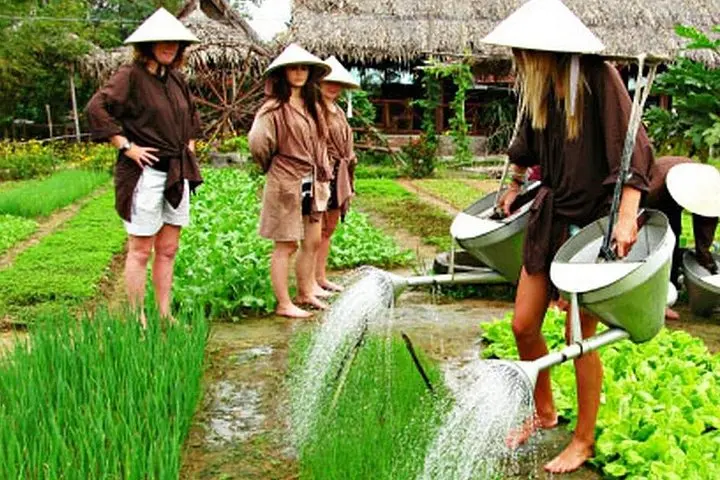
Tra Que has supplied Hoi An markets for generations; the village’s organic methods and communal farming rhythm reflect a long relationship with the Thu Bon River’s alluvial plain. Geologically the area is a shallow floodplain—soft soils, level terrain—so travel is primarily on paved alleys and compacted dirt. Culturally the experience pairs practical farming skills (planting, weeding) with domestic rituals: dressing in a farmer’s tunic, a restorative herb massage, then returning to a family kitchen to learn classic Hoi An recipes like morning glory stir-fry and bánh xèo.
Expect a social, hands-on day rather than a strenuous outing: roughly 6–10 km of easy cycling total, negligible elevation, and 4–5 hours on site including cooking and a midday meal. Practical notes: go early to avoid midday heat, bring reusable water, and notify providers of dietary restrictions in advance. Wear closed-toe shoes for farm tasks and a light layer for sudden coastal breezes. The tour rewards curiosity—ask about seed selection and fermentation methods—and supports small-scale agriculture by keeping meals and tips local.
Yes — the tour supplies bicycles and helmets; let the operator know if you need a child or specialized bike.
Pickup and drop-off within the Hoi An city area are included; confirm your hotel location when booking.
Yes — vegetarian, vegan and most dietary needs can be arranged if you indicate requirements at booking.
This tour is not recommended for pregnant travelers or those with serious spinal or cardiovascular conditions due to farm activities and cycling.
Authentic Hanoi Homestay & Travel operates guided outdoor trips and adventures with an emphasis on safety, stewardship, and memorable experiences.
A warm morning light spreads over narrow lanes as cyclists leave Hoi An’s riverfront and slip into flat country roads. The ride to Tra Que Vegetable Village moves past rice fields that fan out like green seams, small canals glinting and farmers bending close to the soil. The village itself greets visitors with herb gardens, low earthen beds and the scent of lemongrass—an immediate reminder that food here comes from hands, not machines.
A warm morning light spreads over narrow lanes as cyclists leave Hoi An’s riverfront and slip into flat country roads. The ride to Tra Que Vegetable Village moves past rice fields that fan out like green seams, small canals glinting and farmers bending close to the soil. The village itself greets visitors with herb gardens, low earthen beds and the scent of lemongrass—an immediate reminder that food here comes from hands, not machines.
Tra Que has supplied Hoi An markets for generations; the village’s organic methods and communal farming rhythm reflect a long relationship with the Thu Bon River’s alluvial plain. Geologically the area is a shallow floodplain—soft soils, level terrain—so travel is primarily on paved alleys and compacted dirt. Culturally the experience pairs practical farming skills (planting, weeding) with domestic rituals: dressing in a farmer’s tunic, a restorative herb massage, then returning to a family kitchen to learn classic Hoi An recipes like morning glory stir-fry and bánh xèo.
Expect a social, hands-on day rather than a strenuous outing: roughly 6–10 km of easy cycling total, negligible elevation, and 4–5 hours on site including cooking and a midday meal. Practical notes: go early to avoid midday heat, bring reusable water, and notify providers of dietary restrictions in advance. Wear closed-toe shoes for farm tasks and a light layer for sudden coastal breezes. The tour rewards curiosity—ask about seed selection and fermentation methods—and supports small-scale agriculture by keeping meals and tips local.