THE ADVENTURE COLLECTIVE® · Independent discovery and booking for outdoor travel

Walk Hoi An’s Old Town with a local guide and move from the Japanese Covered Bridge to bustling riverside markets. This 4–5 hour private tour includes transfers, bottled water and entrance fees—ideal for a cultural half-day from Da Nang or Hoi An.
Walk Hoi An’s Old Town with a local guide and move from the Japanese Covered Bridge to bustling riverside markets. This 4–5 hour private tour includes transfers, bottled water and entrance fees—ideal for a cultural half-day from Da Nang or Hoi An.
The Thu Bon River glints as your vehicle drops you at narrow lanes lined with yellow-washed buildings; the town seems to pause, lanterns swaying like quiet sentries above the cobbles.
Verified experiences and guided adventures in the surrounding area.
Operated by My Son Tours · Hoi An, Quang Nam
The Thu Bon River glints as your vehicle drops you at narrow lanes lined with yellow-washed buildings; the town seems to pause, lanterns swaying like quiet sentries above the cobbles.
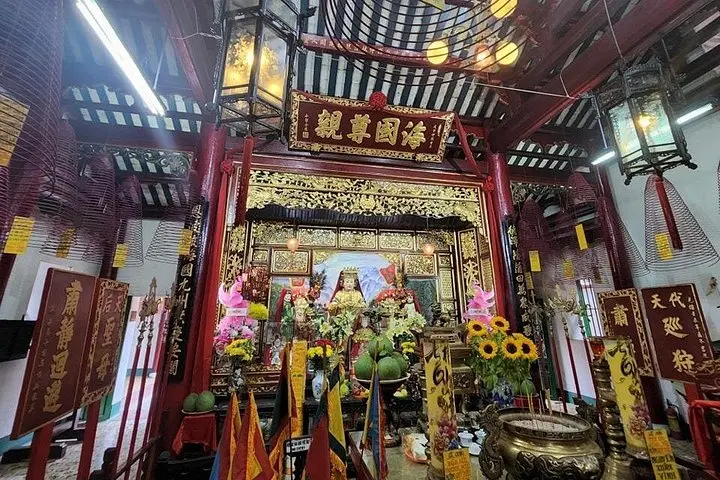
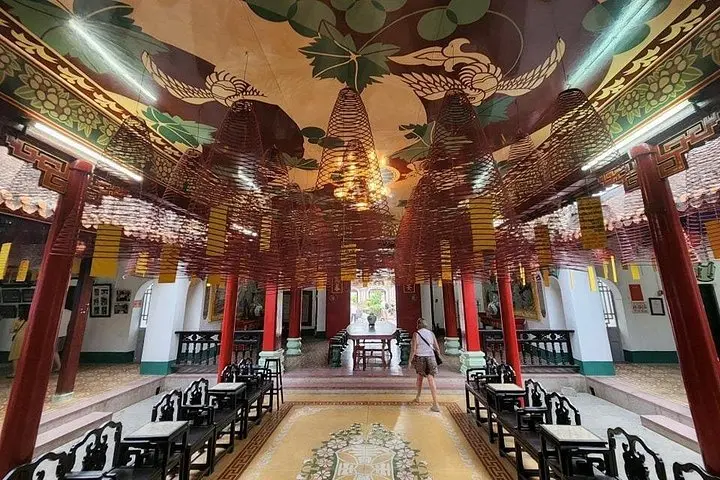
A guided walking tour of Hoi An’s Old Town moves at a steady, deliberate pace: the Japanese Covered Bridge’s curved roof frames the sky, then you step into a merchant house where carved beams keep the memory of past traders alive. The Chinese Assembly Hall shows off ornate tilework and ritual halls that recall waves of immigrant communities. Along the way the market breathes life into the route—fish laid out on ice, fabrics folded in bright stacks, and the river pushing small boats toward the harbor.
Historically Hoi An was a key port of the Champa Kingdom, later attracting Dutch, Portuguese, Japanese and Chinese trading houses; that confluence created the town’s hybrid architecture and compact urban plan. Geologically, the Thu Bon floodplain allowed a sheltered anchorage that gradually silted, shifting commerce north to Da Nang but preserving Hoi An’s streets.
Practical guidance: expect 4–5 hours including transfers, with roughly 1.5–3 km of walking on flat but uneven cobblestones and minimal elevation gain. Bring sturdy shoes, a sun hat and a light rain layer during the wet season. Entrance fees, bottled water and an English-speaking guide are typically included; if you take the afternoon option, stay on for the lantern-lit night market. Cash is useful for stalls; modest dress is recommended for assembly halls. The experience is low-impact but rewarding—historic architecture, working markets and riverside views combine into a compact cultural day out.
Yes—while some shops accept cards, many market stalls and food vendors take cash only; small denominations are handy.
Yes; the operator notes stroller accessibility and infant seats, though some lanes are narrow and cobbled.
Entrance tickets to the sites listed in the itinerary are typically included in the tour price.
You can specify special requirements when booking; guides and drivers can usually accommodate reasonable requests if notified in advance.
My Son Tours operates guided outdoor trips and adventures with an emphasis on safety, stewardship, and memorable experiences.
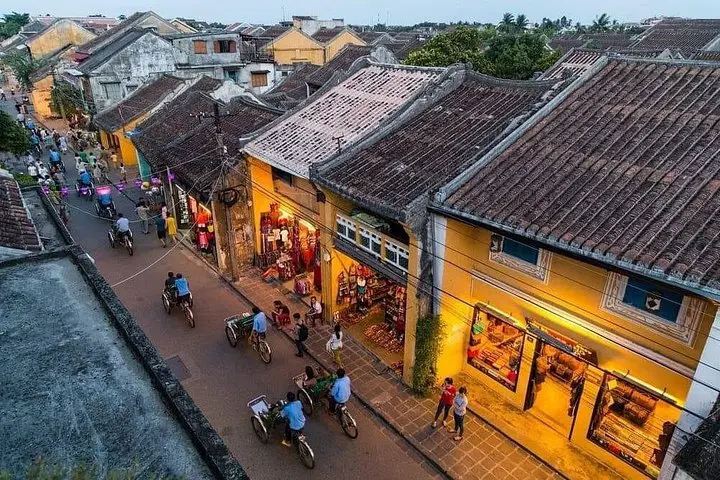
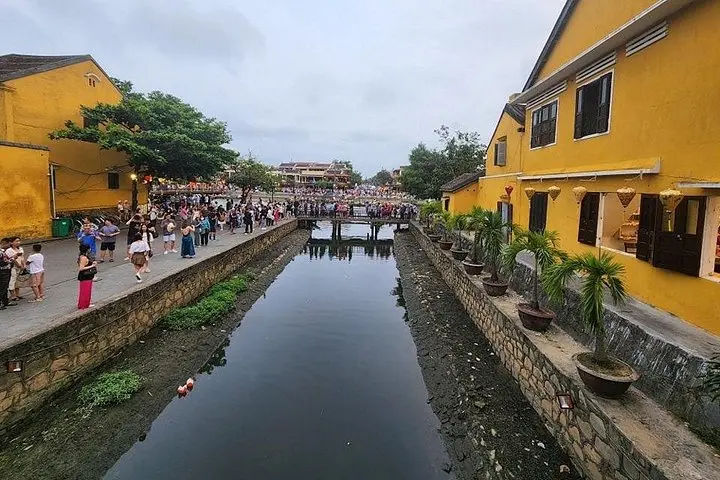
The Thu Bon River glints as your vehicle drops you at narrow lanes lined with yellow-washed buildings; the town seems to pause, lanterns swaying like quiet sentries above the cobbles.
The Thu Bon River glints as your vehicle drops you at narrow lanes lined with yellow-washed buildings; the town seems to pause, lanterns swaying like quiet sentries above the cobbles.
A guided walking tour of Hoi An’s Old Town moves at a steady, deliberate pace: the Japanese Covered Bridge’s curved roof frames the sky, then you step into a merchant house where carved beams keep the memory of past traders alive. The Chinese Assembly Hall shows off ornate tilework and ritual halls that recall waves of immigrant communities. Along the way the market breathes life into the route—fish laid out on ice, fabrics folded in bright stacks, and the river pushing small boats toward the harbor.
Historically Hoi An was a key port of the Champa Kingdom, later attracting Dutch, Portuguese, Japanese and Chinese trading houses; that confluence created the town’s hybrid architecture and compact urban plan. Geologically, the Thu Bon floodplain allowed a sheltered anchorage that gradually silted, shifting commerce north to Da Nang but preserving Hoi An’s streets.
Practical guidance: expect 4–5 hours including transfers, with roughly 1.5–3 km of walking on flat but uneven cobblestones and minimal elevation gain. Bring sturdy shoes, a sun hat and a light rain layer during the wet season. Entrance fees, bottled water and an English-speaking guide are typically included; if you take the afternoon option, stay on for the lantern-lit night market. Cash is useful for stalls; modest dress is recommended for assembly halls. The experience is low-impact but rewarding—historic architecture, working markets and riverside views combine into a compact cultural day out.