THE ADVENTURE COLLECTIVE® · Independent discovery and booking for outdoor travel

Walk Hoi An’s historic lanes and travel into the jungle to see My Son’s ancient Cham towers on a single, well-paced day trip. This private tour includes guided walks, lunch, transport, and entry—ideal for travelers who want context with convenience.
Walk Hoi An’s historic lanes and travel into the jungle to see My Son’s ancient Cham towers on a single, well-paced day trip. This private tour includes guided walks, lunch, transport, and entry—ideal for travelers who want context with convenience.
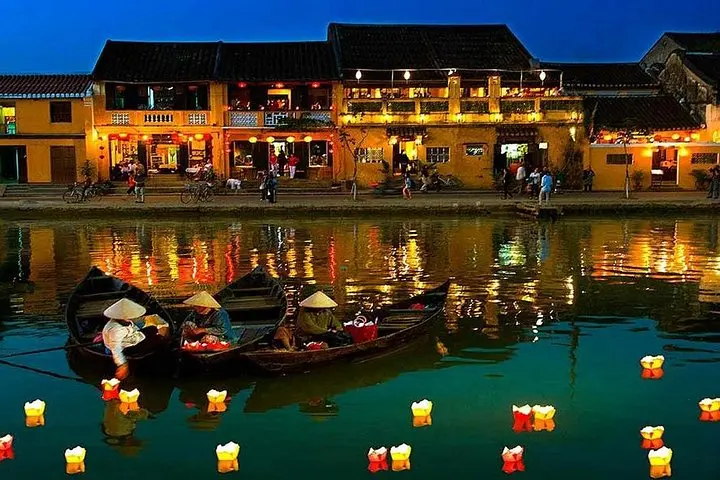
You begin on a sun-warmed lane in Hoi An’s old town, where yellow shop-houses lean close and bicycles ring like punctuation. The guide threads you through narrow alleys, past lacquered windows and the 16th‑century Japanese Covered Bridge, while the scent of river mud and simmering broth hangs in the air.
Verified experiences and guided adventures in the surrounding area.
Operated by Hoi an local tour · Hoi An, Quảng Nam
You begin on a sun-warmed lane in Hoi An’s old town, where yellow shop-houses lean close and bicycles ring like punctuation. The guide threads you through narrow alleys, past lacquered windows and the 16th‑century Japanese Covered Bridge, while the scent of river mud and simmering broth hangs in the air.
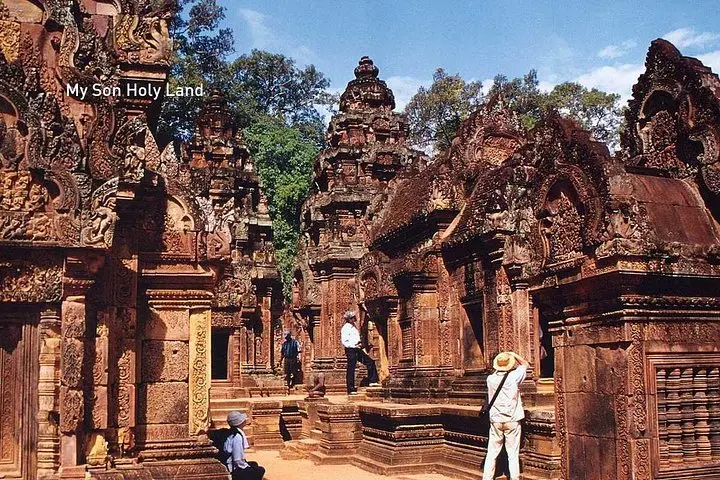
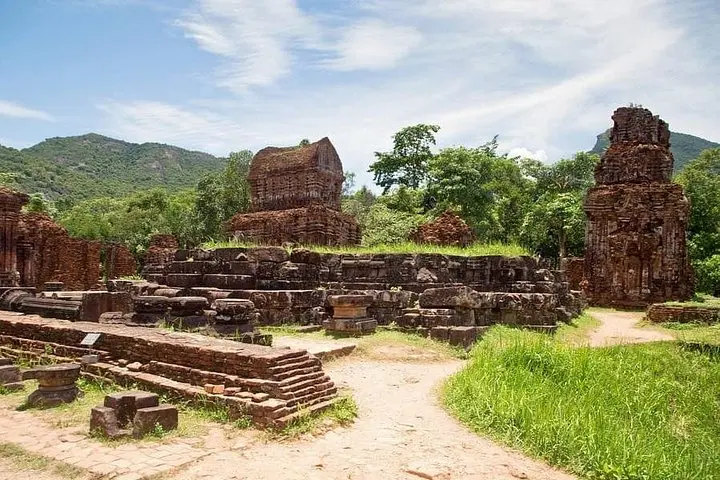
A short drive out of town drops you into a different clock: My Son’s red-brick towers rise from the jungle floor, stones carved with gods and garudas that survived centuries of rain and war. Geologically this coastal plain is alluvial—low hills and paddy fields give way to the limestone and laterite outcrops that provided building material for the Cham. Culturally, both sites show Hoi An’s mercantile cosmopolitanism and the Champa kingdom’s Hindu-influenced court architecture.
Expect a steady day: gentle walking on cobbled streets, flat riverside promenades, and uneven temple ruins with steps and exposed roots. The guide covers history and symbolism, points out Chinese merchant homes and Champa iconography, and helps you navigate market stalls and museum spots.
Practical guidance: start early to avoid midday heat, bring sun protection and a light rain layer in monsoon months, and wear sturdy shoes for My Son’s uneven paths. Water and lunch are included, but carry a small change purse for souvenirs or additional snacks. Photography is permitted in most areas—respect signage at active shrines—and allow time to linger at a quiet riverside café on the way back to town.
Most private tours include pickup from central Hoi An; confirm your pickup point when booking and provide full names for the reservation.
Yes—this tour includes admission to Hoi An sites and My Son Sanctuary as part of the package.
The tour is rated easy and accessible for most ages, though My Son has uneven paths and steps that may be challenging for limited mobility—stroller access is noted for town sections only.
Guides typically speak English; specify any other language requests at booking to confirm availability.
Hoi an local tour operates guided outdoor trips and adventures with an emphasis on safety, stewardship, and memorable experiences.

You begin on a sun-warmed lane in Hoi An’s old town, where yellow shop-houses lean close and bicycles ring like punctuation. The guide threads you through narrow alleys, past lacquered windows and the 16th‑century Japanese Covered Bridge, while the scent of river mud and simmering broth hangs in the air.
You begin on a sun-warmed lane in Hoi An’s old town, where yellow shop-houses lean close and bicycles ring like punctuation. The guide threads you through narrow alleys, past lacquered windows and the 16th‑century Japanese Covered Bridge, while the scent of river mud and simmering broth hangs in the air.
A short drive out of town drops you into a different clock: My Son’s red-brick towers rise from the jungle floor, stones carved with gods and garudas that survived centuries of rain and war. Geologically this coastal plain is alluvial—low hills and paddy fields give way to the limestone and laterite outcrops that provided building material for the Cham. Culturally, both sites show Hoi An’s mercantile cosmopolitanism and the Champa kingdom’s Hindu-influenced court architecture.
Expect a steady day: gentle walking on cobbled streets, flat riverside promenades, and uneven temple ruins with steps and exposed roots. The guide covers history and symbolism, points out Chinese merchant homes and Champa iconography, and helps you navigate market stalls and museum spots.
Practical guidance: start early to avoid midday heat, bring sun protection and a light rain layer in monsoon months, and wear sturdy shoes for My Son’s uneven paths. Water and lunch are included, but carry a small change purse for souvenirs or additional snacks. Photography is permitted in most areas—respect signage at active shrines—and allow time to linger at a quiet riverside café on the way back to town.