THE ADVENTURE COLLECTIVE® · Independent discovery and booking for outdoor travel

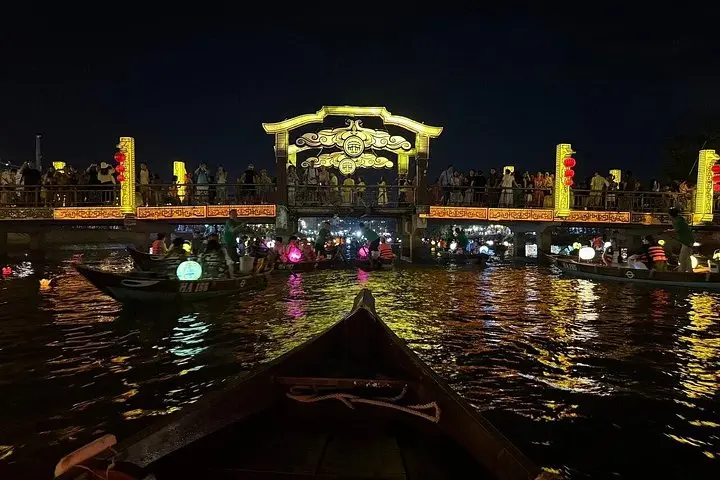
Walk Hoi An’s lantern-lit lanes and glide along the Hoai River on a private evening tour that pairs local history with intimate night-market life. Perfect for first-time visitors who want tailored pacing, easy walking and a sampan cruise under soft, glowing light.
Walk Hoi An’s lantern-lit lanes and glide along the Hoai River on a private evening tour that pairs local history with intimate night-market life. Perfect for first-time visitors who want tailored pacing, easy walking and a sampan cruise under soft, glowing light.
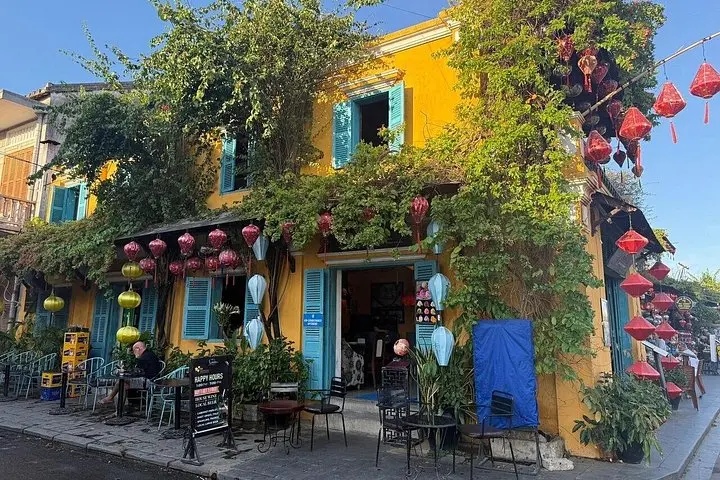
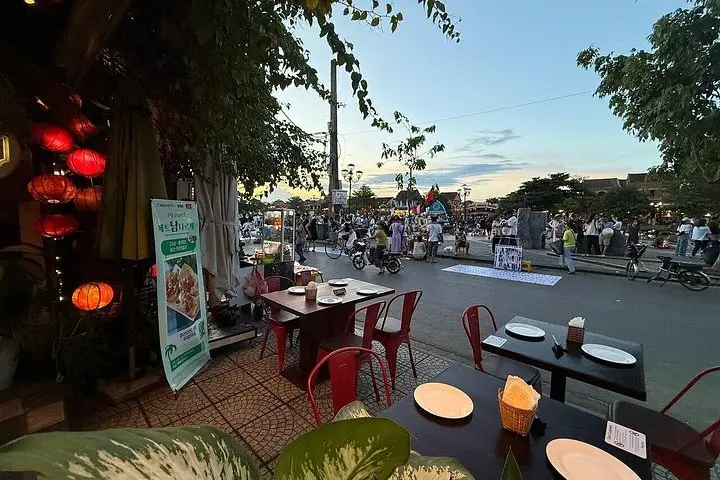
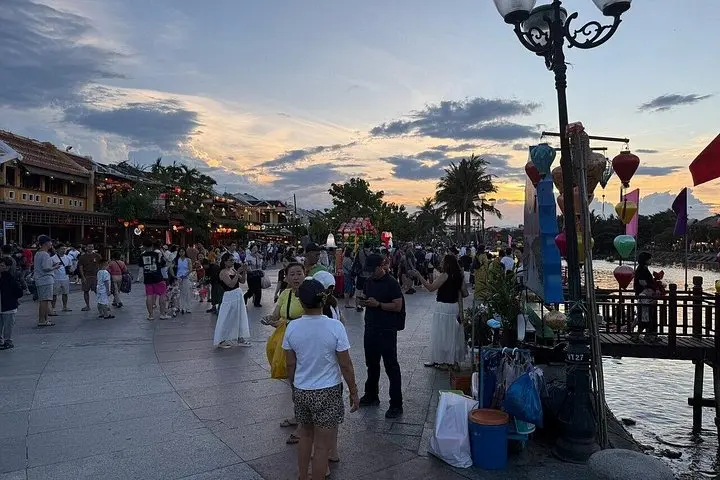
You step off a low sampan into cool evening air as lantern light blooms across narrow streets; the river moves quietly, daring you to slow down and watch reflections rearrange themselves. Lanterns sway above wooden shopfronts, while the murmur of vendors and the clack of bicycle wheels create a measured nighttime pulse.
Verified experiences and guided adventures in the surrounding area.
Operated by Iztrip · Hoi An, Quang Nam
You step off a low sampan into cool evening air as lantern light blooms across narrow streets; the river moves quietly, daring you to slow down and watch reflections rearrange themselves. Lanterns sway above wooden shopfronts, while the murmur of vendors and the clack of bicycle wheels create a measured nighttime pulse.
Hoi An was once a busy trading port on the lower Thu Bon River, where Japanese, Chinese and European ships met Cham traders. The Ancient Town’s timber and tile architecture—wooden shop-houses, the covered Japanese Bridge, and riverside warehouses—shows layered influences from the 17th to 19th centuries and earned UNESCO World Heritage status in 1999.
Geology here is simple coastal plain and a tidal river system; the Hoai River’s slow current shaped local livelihoods more than steep slopes ever could. Culture is present in small acts: lantern-makers stitching silk, tea houses polishing wooden stools, fishermen untangling nets for the night.
Practically, expect 3–4 hours of easy walking combined with a 20–30 minute sampan ride. Tours typically include hotel pickup from Da Nang, an English-speaking guide, entrance tickets, bottled water and a private car. Wear comfortable shoes for cobbled lanes, bring a light rain layer in monsoon months, and carry local currency for market food and crafts. Mobility considerations matter—some alleys are narrow and uneven, and boat boarding requires basic balance. Plan to arrive hungry and camera-ready; the best light is right after lanterns are lit, when the town shifts into its most intimate mode.
Yes—most private evening tours include hotel pickup and drop-off from Da Nang; confirm meeting details and pickup time when booking.
Children are allowed but must sit with an adult on laps if very young; the operator notes moderate physical requirements and limited space on boats.
This tour description lists entrance tickets included for featured sites in the itinerary, but confirm specific stops with your guide before departure.
Tours may be cancelled for heavy weather; operators often have a cancel-if-bad-weather policy—check refund terms and rebooking options when you reserve.
Iztrip operates guided outdoor trips and adventures with an emphasis on safety, stewardship, and memorable experiences.
You step off a low sampan into cool evening air as lantern light blooms across narrow streets; the river moves quietly, daring you to slow down and watch reflections rearrange themselves. Lanterns sway above wooden shopfronts, while the murmur of vendors and the clack of bicycle wheels create a measured nighttime pulse.
You step off a low sampan into cool evening air as lantern light blooms across narrow streets; the river moves quietly, daring you to slow down and watch reflections rearrange themselves. Lanterns sway above wooden shopfronts, while the murmur of vendors and the clack of bicycle wheels create a measured nighttime pulse.
Hoi An was once a busy trading port on the lower Thu Bon River, where Japanese, Chinese and European ships met Cham traders. The Ancient Town’s timber and tile architecture—wooden shop-houses, the covered Japanese Bridge, and riverside warehouses—shows layered influences from the 17th to 19th centuries and earned UNESCO World Heritage status in 1999.
Geology here is simple coastal plain and a tidal river system; the Hoai River’s slow current shaped local livelihoods more than steep slopes ever could. Culture is present in small acts: lantern-makers stitching silk, tea houses polishing wooden stools, fishermen untangling nets for the night.
Practically, expect 3–4 hours of easy walking combined with a 20–30 minute sampan ride. Tours typically include hotel pickup from Da Nang, an English-speaking guide, entrance tickets, bottled water and a private car. Wear comfortable shoes for cobbled lanes, bring a light rain layer in monsoon months, and carry local currency for market food and crafts. Mobility considerations matter—some alleys are narrow and uneven, and boat boarding requires basic balance. Plan to arrive hungry and camera-ready; the best light is right after lanterns are lit, when the town shifts into its most intimate mode.