THE ADVENTURE COLLECTIVE® · Independent discovery and booking for outdoor travel

Explore Hoi An’s rice paddies, boat yards and herb gardens on an electric scooter, then capture the scene in a hands-on painting workshop before unwinding at An Bang Beach. A half-day that blends light riding, culture and coastal calm.
Explore Hoi An’s rice paddies, boat yards and herb gardens on an electric scooter, then capture the scene in a hands-on painting workshop before unwinding at An Bang Beach. A half-day that blends light riding, culture and coastal calm.
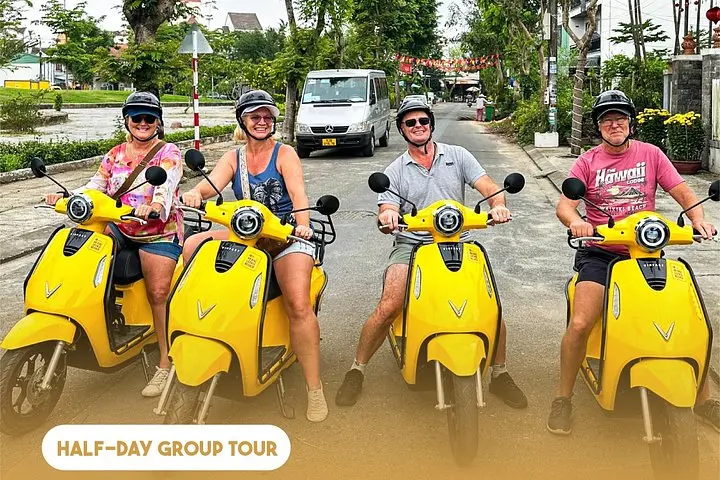
The tour starts with the hum of an electric scooter and the smell of fresh mango in a riverside smoothie, the Thu Bon River running slow and reflective beside the road. Riders glide past low wooden houses, boat repair yards on Cam Nam Island, and the angular roofs of fishing boats leaning against the tide, the machines of the river working like an old clock.
Verified experiences and guided adventures in the surrounding area.
Operated by Scooter Tours Vietnam · Hoi An, Quang Nam
The tour starts with the hum of an electric scooter and the smell of fresh mango in a riverside smoothie, the Thu Bon River running slow and reflective beside the road. Riders glide past low wooden houses, boat repair yards on Cam Nam Island, and the angular roofs of fishing boats leaning against the tide, the machines of the river working like an old clock.
Hoi An’s landscape is river plain — alluvium deposited by the Thu Bon — with rice paddies etched into green rectangles and sandy beaches a short ride from the town. Once a thriving 16th–18th century trading port, Hoi An still shows Vietnamese, Chinese and Japanese influences in its craftwork: lantern makers, shoemakers and rice-cracker artisans keep traditional skills alive along narrow lanes.
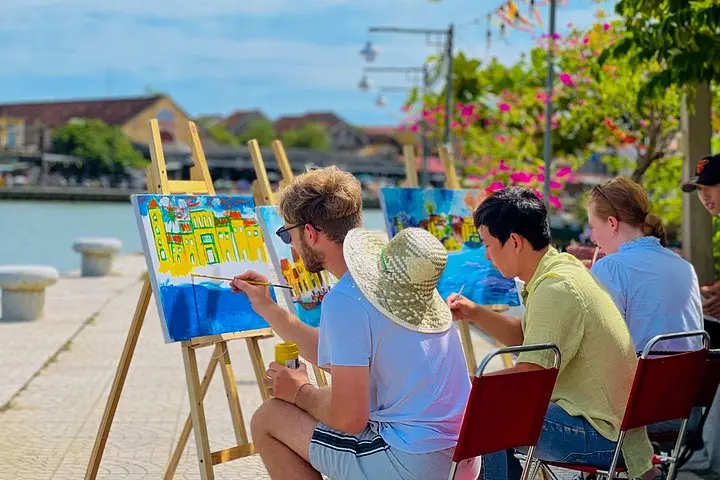
The itinerary balances culture and calm: a riverside café breakfast, a riding loop through local villages, a guided painting session with a resident artist, hands-on time at Tra Que’s herb gardens, and a wind-down at An Bang Beach. The ride is more sightseeing than endurance — roads are mostly flat, with short village lanes requiring attention to pedestrians and bicycles.
Practical guidance: bring sun protection and a small daypack, confirm helmet and scooter preferences, and plan the trip for morning or late afternoon to avoid midday heat. Expect basic English from guides but ample nonverbal hospitality; photographers should charge batteries—the light over rice paddies and river at golden hour is direct and rewarding.
No—electric scooters are user-friendly; guides provide a quick orientation and you can choose a chauffeur-driven option.
Children 4+ may join on request; minimum age for self-driving is 16 and guardians must sign waivers for minors.
Guides typically speak basic English suitable for directions and explanations; demonstrations at artisan stops may be more visual.
The tour generally includes drinks/snacks, entrance fees, helmets, raincoats, towels, pickup within Hoi An center, and a painting workshop.
Scooter Tours Vietnam operates guided outdoor trips and adventures with an emphasis on safety, stewardship, and memorable experiences.


The tour starts with the hum of an electric scooter and the smell of fresh mango in a riverside smoothie, the Thu Bon River running slow and reflective beside the road. Riders glide past low wooden houses, boat repair yards on Cam Nam Island, and the angular roofs of fishing boats leaning against the tide, the machines of the river working like an old clock.
The tour starts with the hum of an electric scooter and the smell of fresh mango in a riverside smoothie, the Thu Bon River running slow and reflective beside the road. Riders glide past low wooden houses, boat repair yards on Cam Nam Island, and the angular roofs of fishing boats leaning against the tide, the machines of the river working like an old clock.
Hoi An’s landscape is river plain — alluvium deposited by the Thu Bon — with rice paddies etched into green rectangles and sandy beaches a short ride from the town. Once a thriving 16th–18th century trading port, Hoi An still shows Vietnamese, Chinese and Japanese influences in its craftwork: lantern makers, shoemakers and rice-cracker artisans keep traditional skills alive along narrow lanes.
The itinerary balances culture and calm: a riverside café breakfast, a riding loop through local villages, a guided painting session with a resident artist, hands-on time at Tra Que’s herb gardens, and a wind-down at An Bang Beach. The ride is more sightseeing than endurance — roads are mostly flat, with short village lanes requiring attention to pedestrians and bicycles.
Practical guidance: bring sun protection and a small daypack, confirm helmet and scooter preferences, and plan the trip for morning or late afternoon to avoid midday heat. Expect basic English from guides but ample nonverbal hospitality; photographers should charge batteries—the light over rice paddies and river at golden hour is direct and rewarding.