THE ADVENTURE COLLECTIVE® · Independent discovery and booking for outdoor travel

Roll a spring roll in Hoi An, plant a herb in Tra Que, and eat the results by the river. This four-hour market, farming and cooking experience pairs short cycling with hands-on lessons in regional dishes.
Roll a spring roll in Hoi An, plant a herb in Tra Que, and eat the results by the river. This four-hour market, farming and cooking experience pairs short cycling with hands-on lessons in regional dishes.
Morning in Hoi An begins with steam from a street-side coffee cup and the chatter of market vendors — this half-day experience threads that energy into a hands-on farm-to-table lesson. After a brief introduction and coffee, you’ll walk through the central market to select produce, then pedal on a short, flat ride (roughly 10–20 minutes, 2–4 km each way) to Tra Que Vegetable Village. The soil here is alluvial, worked for generations by small family plots that supply Hoi An’s restaurants; local farmers will invite you to test your hands at traditional techniques like raking, weeding and herb-tucking.
Verified experiences and guided adventures in the surrounding area.
Operated by Eat Hoi An · Hoi An, Quang Nam
Morning in Hoi An begins with steam from a street-side coffee cup and the chatter of market vendors — this half-day experience threads that energy into a hands-on farm-to-table lesson. After a brief introduction and coffee, you’ll walk through the central market to select produce, then pedal on a short, flat ride (roughly 10–20 minutes, 2–4 km each way) to Tra Que Vegetable Village. The soil here is alluvial, worked for generations by small family plots that supply Hoi An’s restaurants; local farmers will invite you to test your hands at traditional techniques like raking, weeding and herb-tucking.
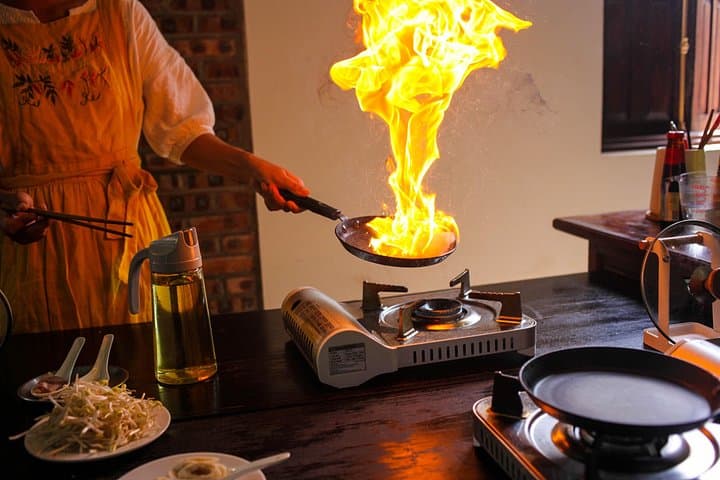
Back in the cooking school, the class covers four dishes representative of Quang Nam—Cao Lầu, bánh xèo, chả giò and turmeric-wrapped fish—balancing rice-flour techniques, fresh herbs and coastal flavors. Lunch typically happens by the river when weather permits, finishing with seasonal fruit and a short foot massage before the ride back to town.
Culturally, Hoi An’s identity as a historic trading port shapes its kitchen: Chinese, Japanese and Cham influences appear in technique and ingredients. Geologically, the flat Thu Bon River plains make the cycle and farm work easy for most visitors. Expect light physical activity (short cycling, standing to cook), plenty of hands-on instruction and strong local flavor.
Practical tips: arrive with sun protection, wear closed-toe shoes for the farm, and note the program runs about four hours with a small group size. The tour supports local farmers directly—come prepared to learn and to eat what you help prepare.
Most tours depart from a central meeting point in Hoi An; check the booking page for pickup options or local meeting instructions.
Yes—vegetarian and other requests can usually be handled if you note them during booking; communicate allergies in advance.
The ride is short and on flat roads; bikes are provided and guides can offer an easy pace, but let the operator know if you prefer to skip cycling.
The activity notes wheelchair accessibility for meeting areas and transport, but farm work and cycling are not fully accessible—confirm specific needs with the operator.
Eat Hoi An operates guided outdoor trips and adventures with an emphasis on safety, stewardship, and memorable experiences.


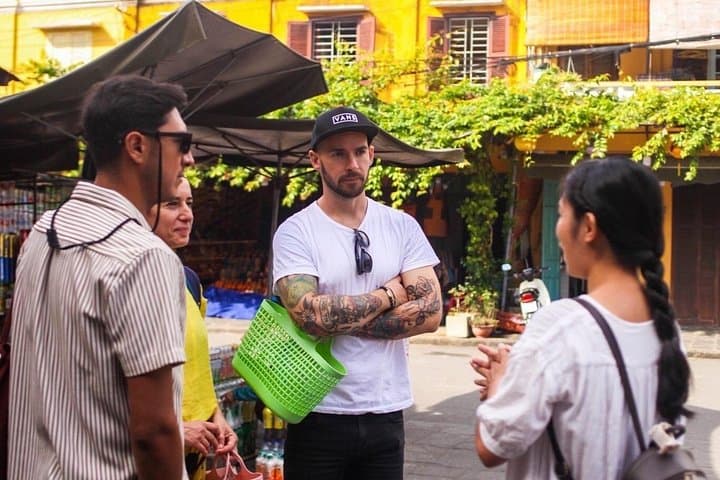
Morning in Hoi An begins with steam from a street-side coffee cup and the chatter of market vendors — this half-day experience threads that energy into a hands-on farm-to-table lesson. After a brief introduction and coffee, you’ll walk through the central market to select produce, then pedal on a short, flat ride (roughly 10–20 minutes, 2–4 km each way) to Tra Que Vegetable Village. The soil here is alluvial, worked for generations by small family plots that supply Hoi An’s restaurants; local farmers will invite you to test your hands at traditional techniques like raking, weeding and herb-tucking.
Morning in Hoi An begins with steam from a street-side coffee cup and the chatter of market vendors — this half-day experience threads that energy into a hands-on farm-to-table lesson. After a brief introduction and coffee, you’ll walk through the central market to select produce, then pedal on a short, flat ride (roughly 10–20 minutes, 2–4 km each way) to Tra Que Vegetable Village. The soil here is alluvial, worked for generations by small family plots that supply Hoi An’s restaurants; local farmers will invite you to test your hands at traditional techniques like raking, weeding and herb-tucking.
Back in the cooking school, the class covers four dishes representative of Quang Nam—Cao Lầu, bánh xèo, chả giò and turmeric-wrapped fish—balancing rice-flour techniques, fresh herbs and coastal flavors. Lunch typically happens by the river when weather permits, finishing with seasonal fruit and a short foot massage before the ride back to town.
Culturally, Hoi An’s identity as a historic trading port shapes its kitchen: Chinese, Japanese and Cham influences appear in technique and ingredients. Geologically, the flat Thu Bon River plains make the cycle and farm work easy for most visitors. Expect light physical activity (short cycling, standing to cook), plenty of hands-on instruction and strong local flavor.
Practical tips: arrive with sun protection, wear closed-toe shoes for the farm, and note the program runs about four hours with a small group size. The tour supports local farmers directly—come prepared to learn and to eat what you help prepare.