THE ADVENTURE COLLECTIVE® · Independent discovery and booking for outdoor travel

Spend four hours cycling between Thanh Ha pottery, Kim Bong carpentry and Tra Que vegetable village to try hands-on pottery, carpentry demos and farm tasks. This practical half-day tour blends cultural history with tactile experiences and a local meal.
Spend four hours cycling between Thanh Ha pottery, Kim Bong carpentry and Tra Que vegetable village to try hands-on pottery, carpentry demos and farm tasks. This practical half-day tour blends cultural history with tactile experiences and a local meal.
Step off the tourist lane and into a working countryside where clay, wood and soil still shape daily life.
Verified experiences and guided adventures in the surrounding area.
Operated by Local Tours PU LUONG · Hoi An, Quang Nam
Step off the tourist lane and into a working countryside where clay, wood and soil still shape daily life.
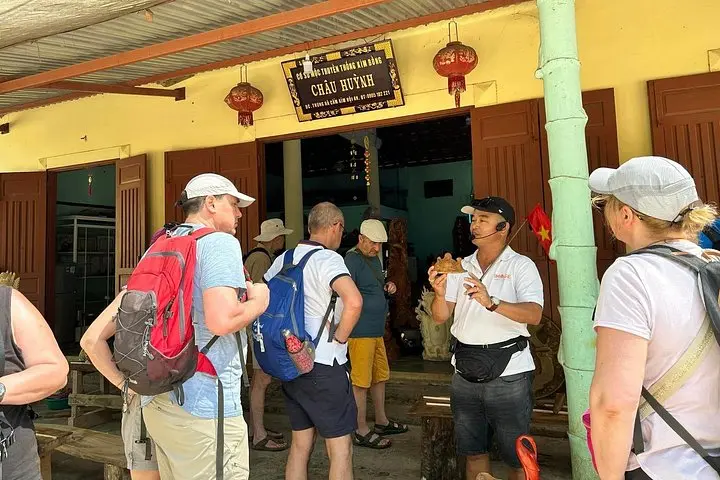
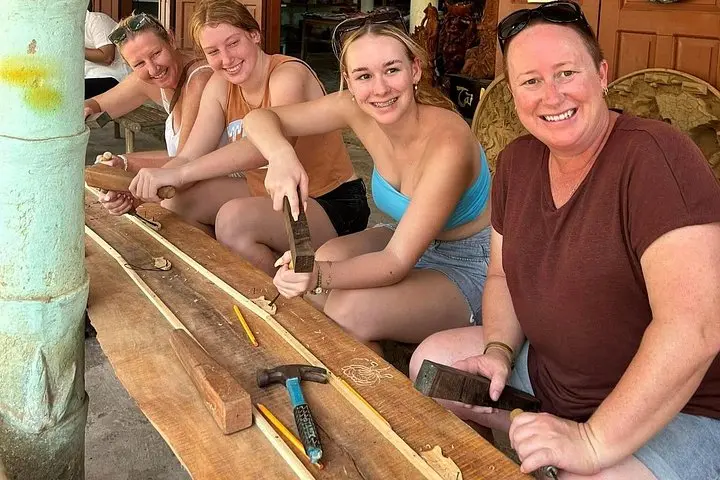
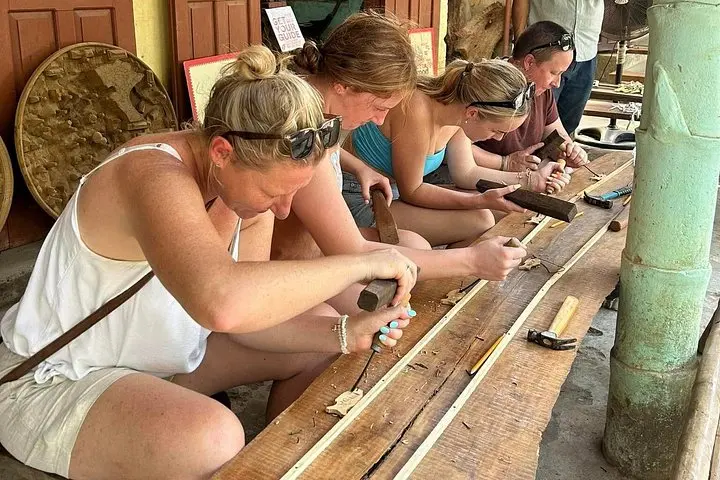
This half-day route starts in Thanh Ha pottery yards — kilns, wheel-thrown bowls and the powdery scent of drying clay — then follows the Thu Bon's lower bank to Kim Bong carpentry, where chisels punctuate the air and boat-built furniture hints at a long river economy. The final stop is Tra Que vegetable village: a small patchwork of beds and waterways where visitors don farmer uniforms, till the grey soil and learn the organic techniques that sustained this land for centuries.
Hoi An’s craft villages grew alongside the port town’s trading boom from the 16th to 18th centuries: each craft evolved to serve local needs and foreign markets. Geology here is plain — river alluvium and tidal flats that make pottery workable and carpentry transportable by boat. Culturally, these villages remain family-run; skills pass hand to hand.
Practical guidance: the tour is low-impact but hands-on — expect standing, light manual tasks and short bicycle transfers between sites. Bring sun protection and a small towel for farm work; wear shoes that can get muddy. Allow four hours for pickup, village visits, a set-menu meal and time to browse finished goods.
Timing matters: morning light is best for pottery glazes and cooler for farm tasks; late afternoon brings softer chiseling light at Kim Bong. Respect workshop boundaries, ask before photographing people at work, and buy a small piece to keep these traditions viable.
No—riding is easy and mostly on flat village lanes; basic cycling ability is sufficient and bicycles are provided.
Yes—children can join pottery and farm tasks, but supervise them around tools and kilns; check age limits with the operator.
Communicate allergies at booking; set-menu meals can often be adjusted but advanced notice is required.
Pickup is typically included from central Hoi An hotels—confirm pick-up point when you book to avoid extra transfers.
Local Tours PU LUONG operates guided outdoor trips and adventures with an emphasis on safety, stewardship, and memorable experiences.

Step off the tourist lane and into a working countryside where clay, wood and soil still shape daily life.
Step off the tourist lane and into a working countryside where clay, wood and soil still shape daily life.
This half-day route starts in Thanh Ha pottery yards — kilns, wheel-thrown bowls and the powdery scent of drying clay — then follows the Thu Bon's lower bank to Kim Bong carpentry, where chisels punctuate the air and boat-built furniture hints at a long river economy. The final stop is Tra Que vegetable village: a small patchwork of beds and waterways where visitors don farmer uniforms, till the grey soil and learn the organic techniques that sustained this land for centuries.
Hoi An’s craft villages grew alongside the port town’s trading boom from the 16th to 18th centuries: each craft evolved to serve local needs and foreign markets. Geology here is plain — river alluvium and tidal flats that make pottery workable and carpentry transportable by boat. Culturally, these villages remain family-run; skills pass hand to hand.
Practical guidance: the tour is low-impact but hands-on — expect standing, light manual tasks and short bicycle transfers between sites. Bring sun protection and a small towel for farm work; wear shoes that can get muddy. Allow four hours for pickup, village visits, a set-menu meal and time to browse finished goods.
Timing matters: morning light is best for pottery glazes and cooler for farm tasks; late afternoon brings softer chiseling light at Kim Bong. Respect workshop boundaries, ask before photographing people at work, and buy a small piece to keep these traditions viable.