THE ADVENTURE COLLECTIVE® · Independent discovery and booking for outdoor travel

Shop a lively local market, harvest vegetables in a seaside village, then cook four authentic Vietnamese dishes with a local chef. This practical half-day combines food history, hands-on farming and clear culinary technique.
Shop a lively local market, harvest vegetables in a seaside village, then cook four authentic Vietnamese dishes with a local chef. This practical half-day combines food history, hands-on farming and clear culinary technique.
You step off the shaded side street into a riot of color and sound: small stalls stacked with herbs, crushed chilies glinting like rubies, and vendors calling out prices in the slow cadence of Central Vietnam. The market dares you to learn — to ask, taste, and choose the exact leaf or fish sauce that makes a dish sing.
Verified experiences and guided adventures in the surrounding area.
Operated by Hoi An Cooking Class · Hoi An, Quang Nam
You step off the shaded side street into a riot of color and sound: small stalls stacked with herbs, crushed chilies glinting like rubies, and vendors calling out prices in the slow cadence of Central Vietnam. The market dares you to learn — to ask, taste, and choose the exact leaf or fish sauce that makes a dish sing.
This half-day experience moves from the bustling market to an organic vegetable village on the fringe of Hoi An, and finishes in a small teaching kitchen where a local chef guides you through four traditional dishes. Hoi An’s streets reflect centuries as a trading port (15th–19th centuries) and the food carries layers of Cham, Chinese and French influence; the region’s alluvial soils and nearby Thu Bon River have shaped both the local palate and the vegetables you harvest.
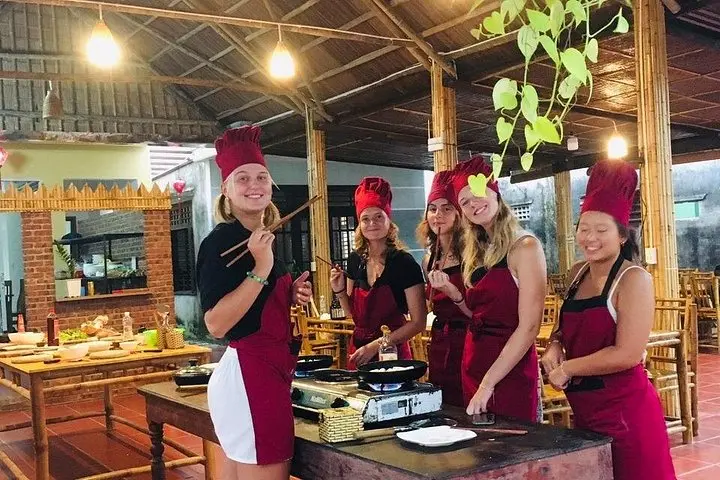
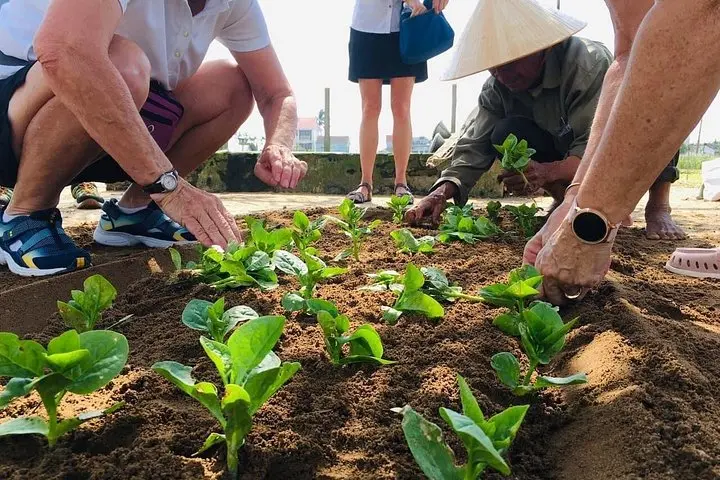
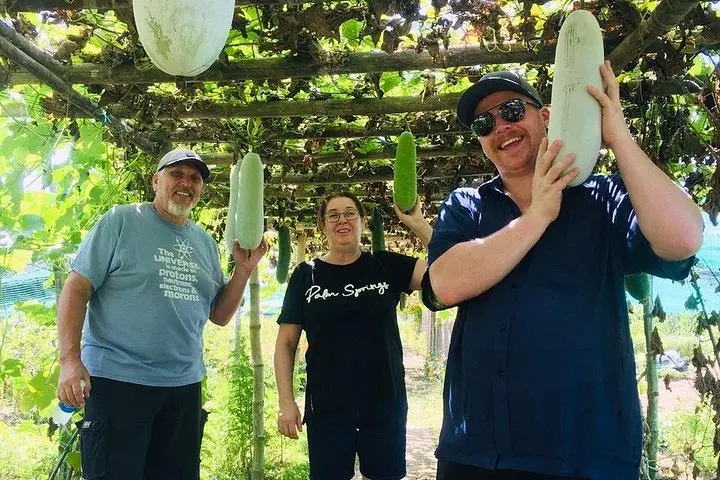
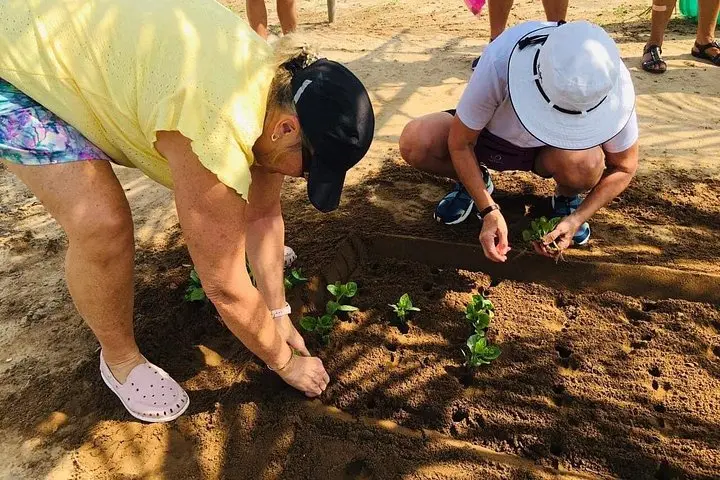
In the fields you’ll rake, plant and pick—seaweed-based fertilizer and tidal water give many crops a bright, saline edge; even the breeze seems to carry flavor. Back in the kitchen, technique matters: knife skills, delicate balancing of fish sauce and lime, and the quiet choreography of a family-style meal.
Practical guidance: wear closed-toe shoes for farm work, bring small-denomination cash for market purchases, and mention allergies at booking. The class includes transport, a welcome drink and recipes to take home; it’s accessible for most fitness levels and suitable for travelers who want hands-on cultural exchange with clear, usable cooking know-how.
Yes—this tour typically includes round-trip transport from central Hoi An hotels; confirm pickup point at booking.
Yes—inform the operator when you book so the chef can adapt dishes and ingredients where possible.
You’ll learn about four Vietnamese dishes using local ingredients and receive printed recipes to recreate them at home.
The tour is family-friendly and marked accessible in many areas, but farm tasks may require standing and light bending; request accessibility needs when booking.
Hoi An Cooking Class operates guided outdoor trips and adventures with an emphasis on safety, stewardship, and memorable experiences.
You step off the shaded side street into a riot of color and sound: small stalls stacked with herbs, crushed chilies glinting like rubies, and vendors calling out prices in the slow cadence of Central Vietnam. The market dares you to learn — to ask, taste, and choose the exact leaf or fish sauce that makes a dish sing.
You step off the shaded side street into a riot of color and sound: small stalls stacked with herbs, crushed chilies glinting like rubies, and vendors calling out prices in the slow cadence of Central Vietnam. The market dares you to learn — to ask, taste, and choose the exact leaf or fish sauce that makes a dish sing.
This half-day experience moves from the bustling market to an organic vegetable village on the fringe of Hoi An, and finishes in a small teaching kitchen where a local chef guides you through four traditional dishes. Hoi An’s streets reflect centuries as a trading port (15th–19th centuries) and the food carries layers of Cham, Chinese and French influence; the region’s alluvial soils and nearby Thu Bon River have shaped both the local palate and the vegetables you harvest.
In the fields you’ll rake, plant and pick—seaweed-based fertilizer and tidal water give many crops a bright, saline edge; even the breeze seems to carry flavor. Back in the kitchen, technique matters: knife skills, delicate balancing of fish sauce and lime, and the quiet choreography of a family-style meal.
Practical guidance: wear closed-toe shoes for farm work, bring small-denomination cash for market purchases, and mention allergies at booking. The class includes transport, a welcome drink and recipes to take home; it’s accessible for most fitness levels and suitable for travelers who want hands-on cultural exchange with clear, usable cooking know-how.