THE ADVENTURE COLLECTIVE® · Independent discovery and booking for outdoor travel

Spend a full day exploring Hoi An’s historic streets and the red-brick towers of My Son with a private guide and a local lunch. This 7–8 hour tour combines architecture, living village culture, and included entrance fees for a streamlined cultural experience.
Spend a full day exploring Hoi An’s historic streets and the red-brick towers of My Son with a private guide and a local lunch. This 7–8 hour tour combines architecture, living village culture, and included entrance fees for a streamlined cultural experience.
You arrive before the town fully wakes: the Thu Bon River pushes pale light across wooden boats, and Hoi An’s lantern-lit streets still hold the cool of morning. The guide leads you through narrow lanes past shuttered merchant houses, then the day stretches inland where the red-brick towers of My Son rise from rice paddies like a small, ancient city reclaiming itself.
Verified experiences and guided adventures in the surrounding area.
Operated by Andromeda Travel · Hoi An, Quang Nam
You arrive before the town fully wakes: the Thu Bon River pushes pale light across wooden boats, and Hoi An’s lantern-lit streets still hold the cool of morning. The guide leads you through narrow lanes past shuttered merchant houses, then the day stretches inland where the red-brick towers of My Son rise from rice paddies like a small, ancient city reclaiming itself.
Hoi An grew as a 15th–18th century trading port where Chinese, Japanese and European merchants shaped shop-houses, bridges and assembly halls. My Son is older still—Cham temple complexes from the 4th–13th centuries built of fired brick and ornate sandstone motifs that speak to Hindu ritual and Champa craft. Geologically the valley is lowland alluvium fed by the Thu Bon, which made both port and paddy possible; the ruined towers survive because of careful conservation and ongoing restoration.
Culturally this tour stitches living village life—Tra Que’s herbs and farming methods, Hoi An’s Japanese Covered Bridge, Tan Ky’s merchant rooms—into a single day. Expect 7–8 hours of mostly flat walking, guided explanations at each site, an included local lunch and round-trip transfer in an air-conditioned vehicle.
Practical guide: start early to avoid midday heat, carry water and sun protection, and keep a copy of your passport for tickets. Wear closed-toe walking shoes for uneven brick and temple grounds; modest clothing is required for sacred sites. The itinerary is pace-friendly for most travelers but involves repeated short walks and some steps at temple complexes.
Yes—this private tour includes entrance tickets for My Son and the key Hoi An sites noted in the itinerary.
Yes—pick-up and return in an air-conditioned vehicle are included; confirm your pick-up point when booking.
The itinerary is physically easy and suitable for families, but not recommended for travelers with serious spinal issues; there are short walks and steps at temples.
Lunch at a local restaurant is included—inform the operator of allergies or dietary needs at booking so accommodations can be arranged.
Andromeda Travel operates guided outdoor trips and adventures with an emphasis on safety, stewardship, and memorable experiences.
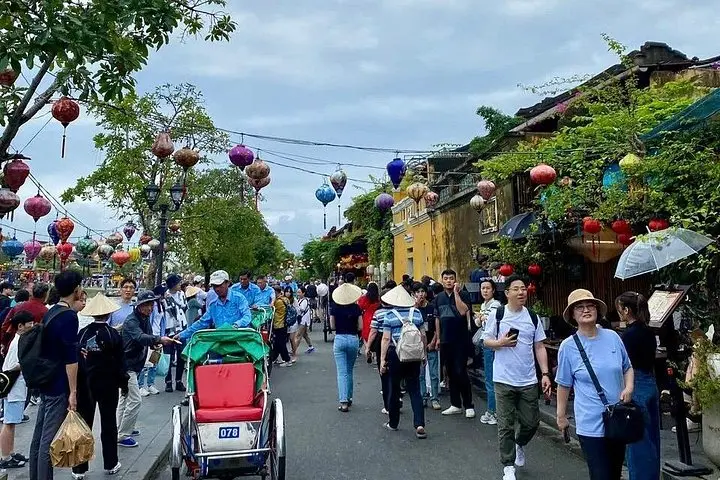
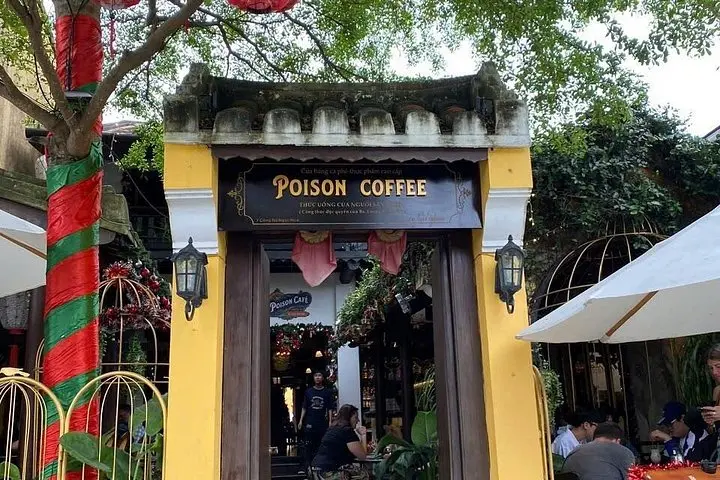
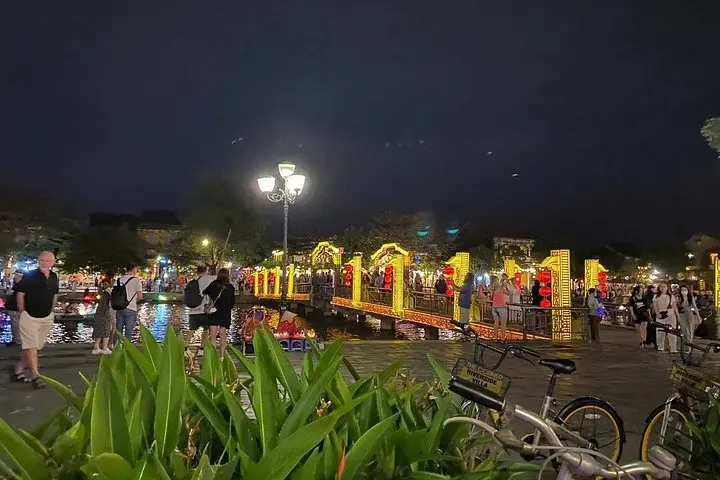
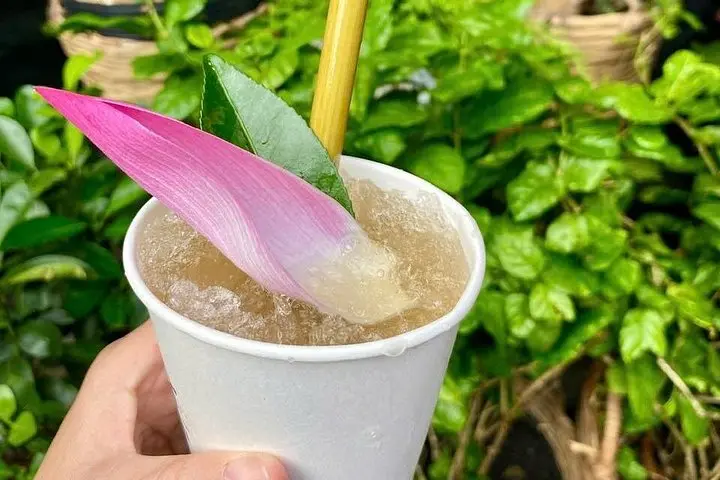
You arrive before the town fully wakes: the Thu Bon River pushes pale light across wooden boats, and Hoi An’s lantern-lit streets still hold the cool of morning. The guide leads you through narrow lanes past shuttered merchant houses, then the day stretches inland where the red-brick towers of My Son rise from rice paddies like a small, ancient city reclaiming itself.
You arrive before the town fully wakes: the Thu Bon River pushes pale light across wooden boats, and Hoi An’s lantern-lit streets still hold the cool of morning. The guide leads you through narrow lanes past shuttered merchant houses, then the day stretches inland where the red-brick towers of My Son rise from rice paddies like a small, ancient city reclaiming itself.
Hoi An grew as a 15th–18th century trading port where Chinese, Japanese and European merchants shaped shop-houses, bridges and assembly halls. My Son is older still—Cham temple complexes from the 4th–13th centuries built of fired brick and ornate sandstone motifs that speak to Hindu ritual and Champa craft. Geologically the valley is lowland alluvium fed by the Thu Bon, which made both port and paddy possible; the ruined towers survive because of careful conservation and ongoing restoration.
Culturally this tour stitches living village life—Tra Que’s herbs and farming methods, Hoi An’s Japanese Covered Bridge, Tan Ky’s merchant rooms—into a single day. Expect 7–8 hours of mostly flat walking, guided explanations at each site, an included local lunch and round-trip transfer in an air-conditioned vehicle.
Practical guide: start early to avoid midday heat, carry water and sun protection, and keep a copy of your passport for tickets. Wear closed-toe walking shoes for uneven brick and temple grounds; modest clothing is required for sacred sites. The itinerary is pace-friendly for most travelers but involves repeated short walks and some steps at temple complexes.