THE ADVENTURE COLLECTIVE® · Independent discovery and booking for outdoor travel

Step beyond Hoi An’s lantern-lit streets into a three-hour nocturnal search for snakes, vipers and frogs across rice paddies and canals. Led by expert guides, this accessible night herping tour mixes wildlife viewing with local insight and minimal walking.
Step beyond Hoi An’s lantern-lit streets into a three-hour nocturnal search for snakes, vipers and frogs across rice paddies and canals. Led by expert guides, this accessible night herping tour mixes wildlife viewing with local insight and minimal walking.
The lantern glow of Hoi An’s ancient streets fades behind you and the air shifts—cooler, damp with rice-field breath. A guide’s torch slices across the black, revealing a wet ribbon of path, frogs frozen like small coins, a tree snake coiled in the low branches. In three hours the floodplain around the Thu Bon River becomes a living theater: vipers in the grass, keeled-bodied water snakes along canals, geckos clinging to wooden posts.
Verified experiences and guided adventures in the surrounding area.
Operated by Next Continent: Wildlife, Photography, and Natural History Tours · Hoi An, Quang Nam
The lantern glow of Hoi An’s ancient streets fades behind you and the air shifts—cooler, damp with rice-field breath. A guide’s torch slices across the black, revealing a wet ribbon of path, frogs frozen like small coins, a tree snake coiled in the low branches. In three hours the floodplain around the Thu Bon River becomes a living theater: vipers in the grass, keeled-bodied water snakes along canals, geckos clinging to wooden posts.
This is coastal central Vietnam, shaped by recent alluvial deposits and centuries of rice cultivation that create the shallow, slow-moving channels reptiles favor. Hoi An’s history as a trading port brought cultural layers—agricultural rhythms, quiet village lanes—that now serve as the backdrop for nocturnal wildlife. Local guides combine fieldcraft with respect for farming rhythms and villagers’ privacy.
Practically, the tour follows well-made paths through rice paddies, irrigation ditches and forest edges with minimal elevation change and little strenuous walking. Expect close-up views with spotlighting equipment provided; private and motorbike pickup options make access easy for small groups or solo travelers. Bring a headlamp with a red filter, waterproof shoes, insect repellent and a camera with low-light capability. Keep a respectful distance from any snake—guides will point and identify rather than encourage handling.
Best booked after dusk when temperatures fall and reptiles become active; rain can concentrate amphibians and snakes but also make trails muddy. The experience is equal parts natural history and careful, low-impact observation—an accessible night safari for families and wildlife photographers alike.
Yes—guides design the experience for families and keep walking minimal; children should stay close to adults and follow guide instructions.
Possibly—the White-lipped Pit Viper and other venomous snakes occur in the area; guides identify species and recommend observing, not touching.
Private guide and driver services are listed as inclusions; small-group options may include motorbike pickups for solo travelers—confirm pickup details at booking.
Any clear night after dusk is good; reptile and amphibian activity often increases after rain, though trails can be muddier during the monsoon.
Next Continent: Wildlife, Photography, and Natural History Tours operates guided outdoor trips and adventures with an emphasis on safety, stewardship, and memorable experiences.
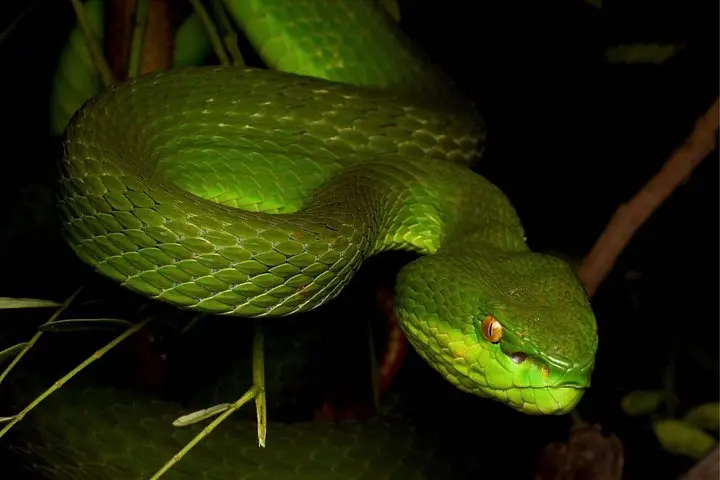
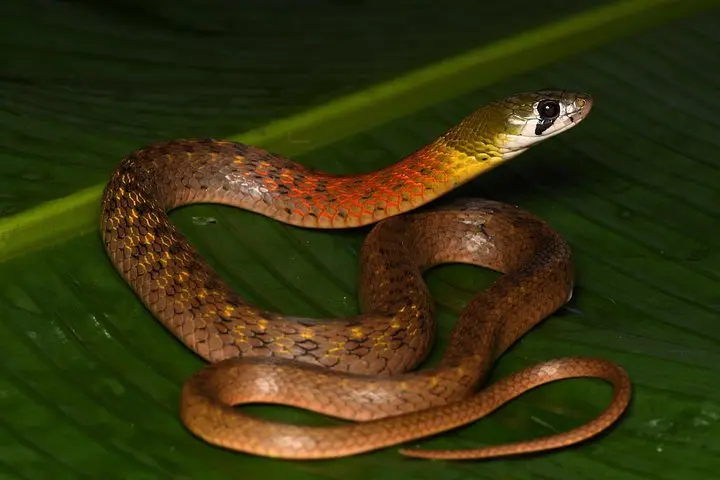
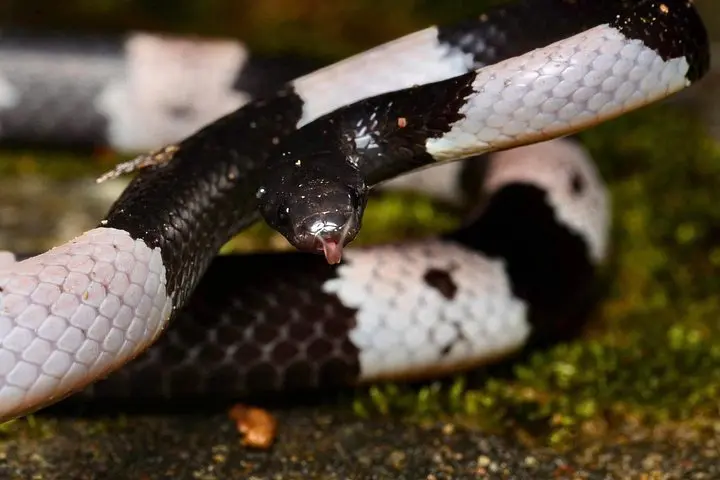
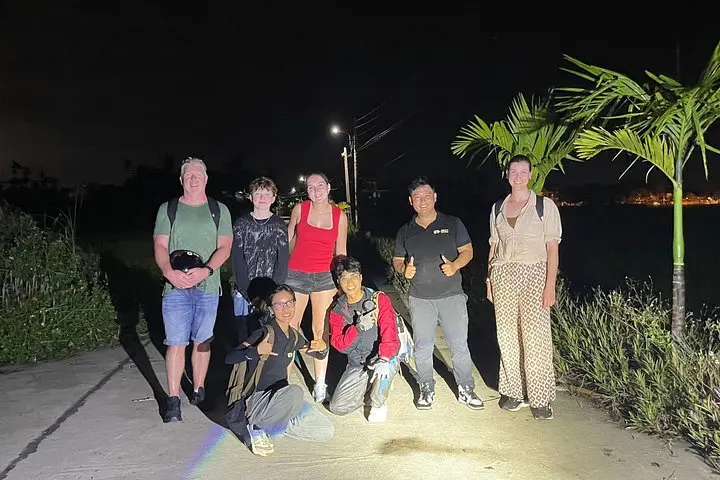
The lantern glow of Hoi An’s ancient streets fades behind you and the air shifts—cooler, damp with rice-field breath. A guide’s torch slices across the black, revealing a wet ribbon of path, frogs frozen like small coins, a tree snake coiled in the low branches. In three hours the floodplain around the Thu Bon River becomes a living theater: vipers in the grass, keeled-bodied water snakes along canals, geckos clinging to wooden posts.
The lantern glow of Hoi An’s ancient streets fades behind you and the air shifts—cooler, damp with rice-field breath. A guide’s torch slices across the black, revealing a wet ribbon of path, frogs frozen like small coins, a tree snake coiled in the low branches. In three hours the floodplain around the Thu Bon River becomes a living theater: vipers in the grass, keeled-bodied water snakes along canals, geckos clinging to wooden posts.
This is coastal central Vietnam, shaped by recent alluvial deposits and centuries of rice cultivation that create the shallow, slow-moving channels reptiles favor. Hoi An’s history as a trading port brought cultural layers—agricultural rhythms, quiet village lanes—that now serve as the backdrop for nocturnal wildlife. Local guides combine fieldcraft with respect for farming rhythms and villagers’ privacy.
Practically, the tour follows well-made paths through rice paddies, irrigation ditches and forest edges with minimal elevation change and little strenuous walking. Expect close-up views with spotlighting equipment provided; private and motorbike pickup options make access easy for small groups or solo travelers. Bring a headlamp with a red filter, waterproof shoes, insect repellent and a camera with low-light capability. Keep a respectful distance from any snake—guides will point and identify rather than encourage handling.
Best booked after dusk when temperatures fall and reptiles become active; rain can concentrate amphibians and snakes but also make trails muddy. The experience is equal parts natural history and careful, low-impact observation—an accessible night safari for families and wildlife photographers alike.