THE ADVENTURE COLLECTIVE® · Independent discovery and booking for outdoor travel

Walk Hoi An’s narrow lanes, cross its 400-year-old Japanese Covered Bridge and sample local specialties on a 3–4 hour guided tour. Expect craft workshops, markets and tailor shops with practical tips for timing, footwear and buying local.
Walk Hoi An’s narrow lanes, cross its 400-year-old Japanese Covered Bridge and sample local specialties on a 3–4 hour guided tour. Expect craft workshops, markets and tailor shops with practical tips for timing, footwear and buying local.
Morning light slides over ochre walls as your guide waits at the appointed corner — the city breathes in a slow, river-born rhythm. Footsteps echo on worn cobbles while lanterns sway above narrow lanes; the Thu Bon River nudges the town’s edge, pushing boats and traders toward the market.
Verified experiences and guided adventures in the surrounding area.
Operated by Dragon Travel Viet · Hoi An, Quang Nam
Morning light slides over ochre walls as your guide waits at the appointed corner — the city breathes in a slow, river-born rhythm. Footsteps echo on worn cobbles while lanterns sway above narrow lanes; the Thu Bon River nudges the town’s edge, pushing boats and traders toward the market.
Once a Pacific trading hub, Hoi An wears its history on every façade: Japanese merchant houses, Chinese assembly halls and French-era shopfronts press close together. Geology here is simple but telling — an estuarine plain of alluvial sand and clay that fed pottery at nearby Thanh Ha and shaped the low, flat streets you’ll walk. Local craft and music remain active parts of daily life; many stops include a handicraft workshop where traditional tunes accompany demonstrations.
Culinary stops sample Hoi An’s signature flavors — cao lau noodles, white rose dumplings and small-portioned street snacks — with the guide steering you toward stalls frequented by residents. Culture is tactile: tailors still measure by hand, incense whispers in assembly halls, and the 400-year-old Japanese Covered Bridge marks a durable human footprint.
Practical guidance: tours run about 3–4 hours on mostly flat, sometimes uneven pavement; bring comfortable shoes, sun protection and small bills for market purchases. Early morning or late afternoon slots avoid midday heat and give softer light for photos. Respect religious sites by covering shoulders and removing hats inside; if you want a tailor-made garment, allow extra time beyond the walk for fittings. Hydrate, move at the group’s pace, and leave room to taste — Hoi An reveals itself best on foot.
The guided walking tour runs about 3–4 hours (180–240 minutes), including food stops and museum visits.
The itinerary includes local food as specified at stops, and bottled water is provided; additional snacks or drinks are at your own cost.
You can visit tailor shops and get measured, but bespoke garments typically require extra time and follow-up fittings beyond the tour window.
Yes — the tour is rated easy and family-friendly; infants must sit on laps but infant seats are available if requested.
Dragon Travel Viet operates guided outdoor trips and adventures with an emphasis on safety, stewardship, and memorable experiences.
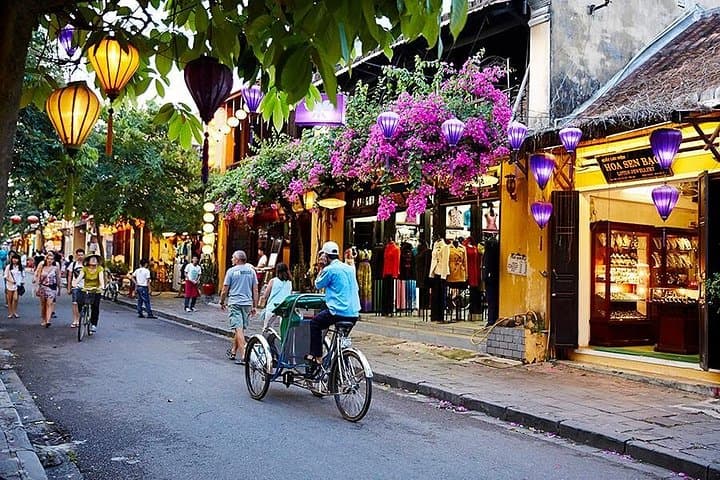
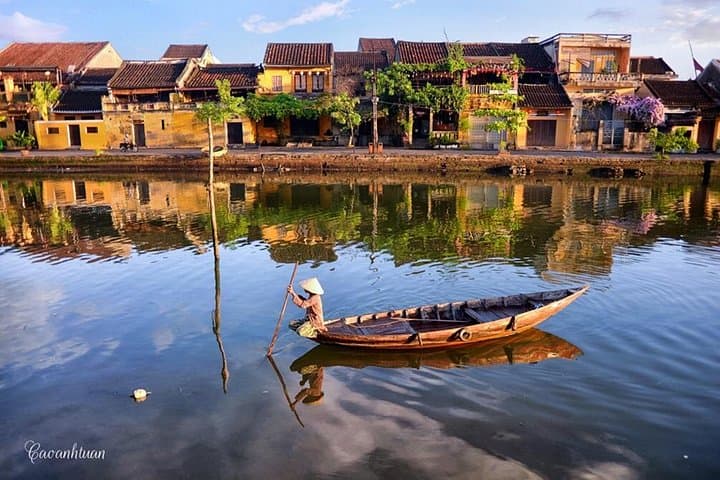
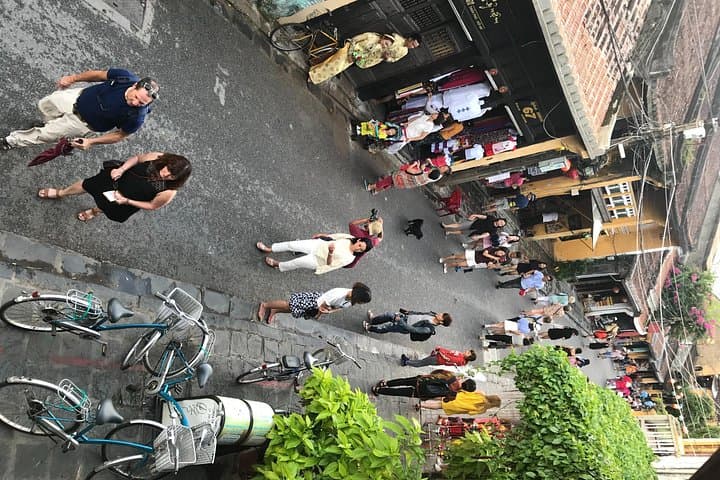
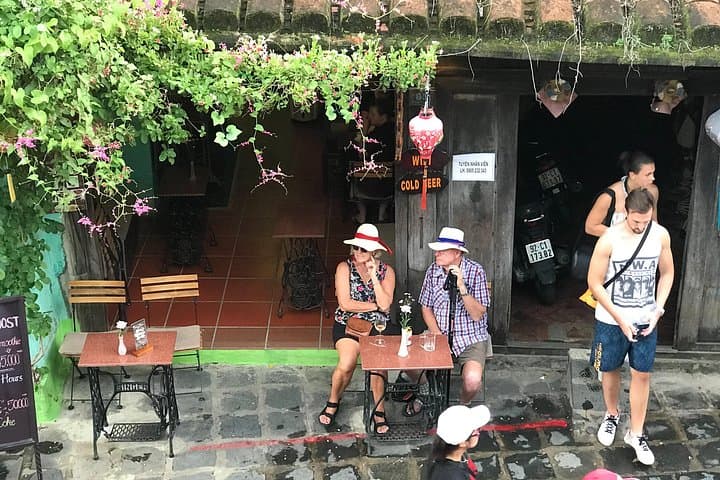
Morning light slides over ochre walls as your guide waits at the appointed corner — the city breathes in a slow, river-born rhythm. Footsteps echo on worn cobbles while lanterns sway above narrow lanes; the Thu Bon River nudges the town’s edge, pushing boats and traders toward the market.
Morning light slides over ochre walls as your guide waits at the appointed corner — the city breathes in a slow, river-born rhythm. Footsteps echo on worn cobbles while lanterns sway above narrow lanes; the Thu Bon River nudges the town’s edge, pushing boats and traders toward the market.
Once a Pacific trading hub, Hoi An wears its history on every façade: Japanese merchant houses, Chinese assembly halls and French-era shopfronts press close together. Geology here is simple but telling — an estuarine plain of alluvial sand and clay that fed pottery at nearby Thanh Ha and shaped the low, flat streets you’ll walk. Local craft and music remain active parts of daily life; many stops include a handicraft workshop where traditional tunes accompany demonstrations.
Culinary stops sample Hoi An’s signature flavors — cao lau noodles, white rose dumplings and small-portioned street snacks — with the guide steering you toward stalls frequented by residents. Culture is tactile: tailors still measure by hand, incense whispers in assembly halls, and the 400-year-old Japanese Covered Bridge marks a durable human footprint.
Practical guidance: tours run about 3–4 hours on mostly flat, sometimes uneven pavement; bring comfortable shoes, sun protection and small bills for market purchases. Early morning or late afternoon slots avoid midday heat and give softer light for photos. Respect religious sites by covering shoulders and removing hats inside; if you want a tailor-made garment, allow extra time beyond the walk for fittings. Hydrate, move at the group’s pace, and leave room to taste — Hoi An reveals itself best on foot.