THE ADVENTURE COLLECTIVE® · Independent discovery and booking for outdoor travel

Explore Hoi An’s lantern-lit streets, historic pagodas and a tranquil Thu Bon River boat ride on this compact four-hour walking tour. Perfect for first-time visitors, the route pairs architecture, living craft traditions and riverside scenes with practical local insight.
Explore Hoi An’s lantern-lit streets, historic pagodas and a tranquil Thu Bon River boat ride on this compact four-hour walking tour. Perfect for first-time visitors, the route pairs architecture, living craft traditions and riverside scenes with practical local insight.
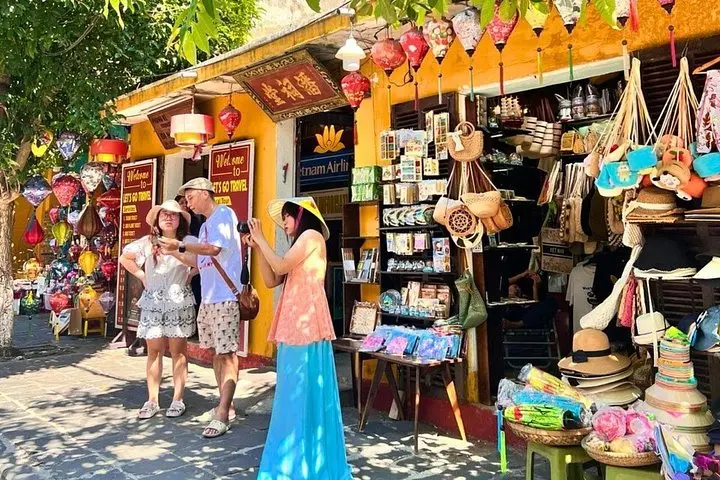
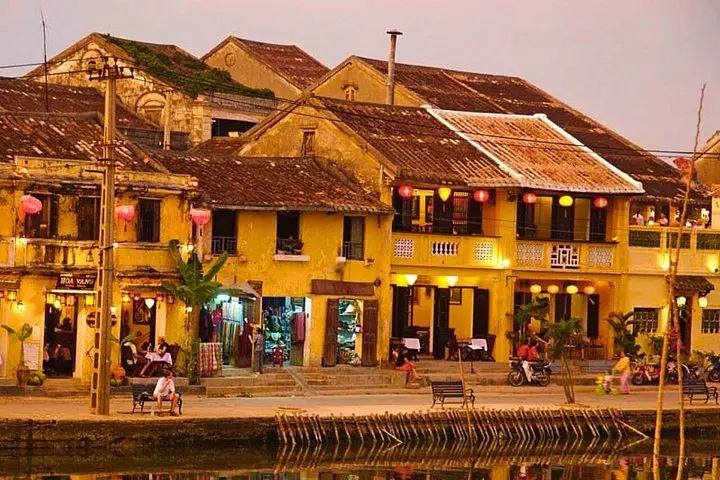
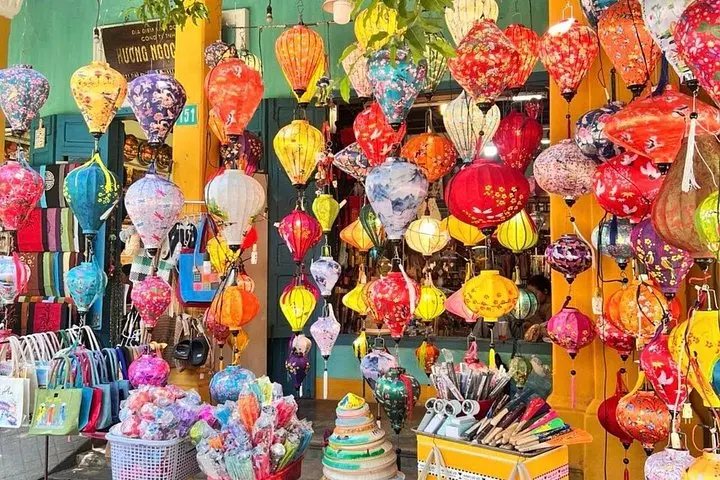
You step off the shaded street into an intersection of salt air and incense: lacquered lanterns sway above a lane of wooden facades, and the Thu Bon River beckons just beyond a low stone bridge. This four-hour circuit threads the compact heart of Hoi An—pagodas, a merchants’ house, assembly halls—and finishes with a slow boat drifting past riverside life.
Verified experiences and guided adventures in the surrounding area.
Operated by Discova Vietnam · Hoi An, Quang Nam
You step off the shaded street into an intersection of salt air and incense: lacquered lanterns sway above a lane of wooden facades, and the Thu Bon River beckons just beyond a low stone bridge. This four-hour circuit threads the compact heart of Hoi An—pagodas, a merchants’ house, assembly halls—and finishes with a slow boat drifting past riverside life.
Historically Hoi An was a major Southeast Asian trading port from the 16th–18th centuries, where Chinese, Japanese, Dutch and Portuguese merchants left clear architectural marks. The Chua Ong Pagoda (1653) and the ornate Phuc Kien Assembly Hall show Fujian-style craftsmanship, while Tan Ky House preserves merchant-class interiors and timber joinery roughly 200 years old. Geologically the town sits on the Thu Bon floodplain; the river’s seasonal moods have shaped its wharves and rice fields for generations.
Expect tight, cobbled alleys, low thresholds and a few short staircases inside historic houses—easy walking but watch your step. The guided boat ride on the Thu Bon offers calm water views of everyday riverside routines: fishermen, floating vegetation and small craft. Culture here is tactile—tailors, noodle stalls and temple rituals are public and polite; follow local etiquette and modest dress in sacred sites.
Practical: wear comfortable shoes, sun protection and bring small cash for street food and crafts. Morning and late afternoon light are best for photographs and cooler temperatures. The tour is suitable for most fitness levels and gives a concentrated, walkable introduction to Hoi An’s heritage and river life.
Yes; the tour listing specifies that the Hoi An Ancient Town entrance fee is included in the price.
Yes; the planned Thu Bon River boat ride is a calm, short trip suitable for most ages—children should be supervised and life vests are typically available if needed.
Large bags can be cumbersome in narrow alleys and historic houses; a small daypack is recommended and some venues may restrict large luggage.
Hoi An’s narrow streets, cobbles and steps inside historic houses limit accessibility; the boat is generally low-to-moderate accessibility—contact the operator for specific arrangements.
Discova Vietnam operates guided outdoor trips and adventures with an emphasis on safety, stewardship, and memorable experiences.

You step off the shaded street into an intersection of salt air and incense: lacquered lanterns sway above a lane of wooden facades, and the Thu Bon River beckons just beyond a low stone bridge. This four-hour circuit threads the compact heart of Hoi An—pagodas, a merchants’ house, assembly halls—and finishes with a slow boat drifting past riverside life.
You step off the shaded street into an intersection of salt air and incense: lacquered lanterns sway above a lane of wooden facades, and the Thu Bon River beckons just beyond a low stone bridge. This four-hour circuit threads the compact heart of Hoi An—pagodas, a merchants’ house, assembly halls—and finishes with a slow boat drifting past riverside life.
Historically Hoi An was a major Southeast Asian trading port from the 16th–18th centuries, where Chinese, Japanese, Dutch and Portuguese merchants left clear architectural marks. The Chua Ong Pagoda (1653) and the ornate Phuc Kien Assembly Hall show Fujian-style craftsmanship, while Tan Ky House preserves merchant-class interiors and timber joinery roughly 200 years old. Geologically the town sits on the Thu Bon floodplain; the river’s seasonal moods have shaped its wharves and rice fields for generations.
Expect tight, cobbled alleys, low thresholds and a few short staircases inside historic houses—easy walking but watch your step. The guided boat ride on the Thu Bon offers calm water views of everyday riverside routines: fishermen, floating vegetation and small craft. Culture here is tactile—tailors, noodle stalls and temple rituals are public and polite; follow local etiquette and modest dress in sacred sites.
Practical: wear comfortable shoes, sun protection and bring small cash for street food and crafts. Morning and late afternoon light are best for photographs and cooler temperatures. The tour is suitable for most fitness levels and gives a concentrated, walkable introduction to Hoi An’s heritage and river life.